Wellington Nightlife Hours: Why Extended Trading Could Transform the Capital’s After-Dark Scene
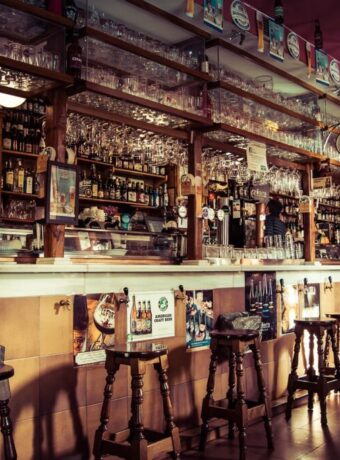
Wellington City Council is considering extending liquor licensing hours for bars and clubs, potentially allowing venues to serve alcohol until 4am on weekends. The proposal has divided opinion between hospitality operators seeking to revive the capital’s nightlife and residents concerned about noise and safety issues.
What exactly is being proposed?
Current vs Proposed Trading Hours
Wellington City Council is reviewing its Local Alcohol Policy, with the most significant change being extended trading hours for on-licence venues. Under the current proposal, bars and clubs could serve alcohol until 4am on Friday and Saturday nights, up from the current 3am cutoff. The changes would also allow venues to open from 8am on Sundays, rather than 10am, and extend weeknight trading by an hour to 2am.
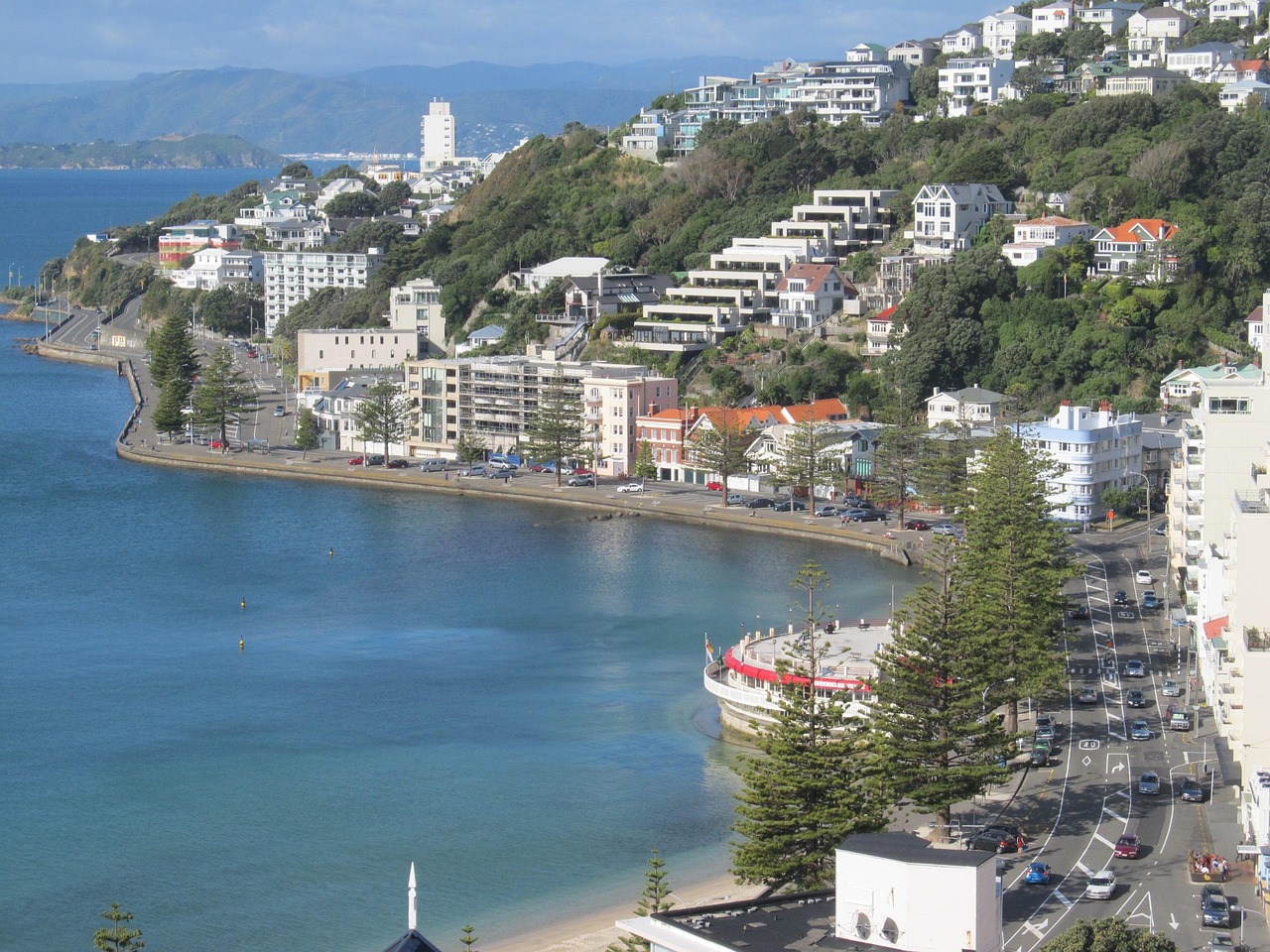
The proposal comes after years of lobbying from hospitality groups who argue Wellington’s nightlife has been stifled by restrictive hours compared to other major cities. Currently, many venues struggle to justify staying open past 2am on weeknights when they can only serve for one more hour, leading to earlier closures that critics say create a “dead zone” in the central city after midnight.
Why is this happening now?
The push for extended hours reflects growing concerns about Wellington’s reputation as a vibrant cultural capital. Post-pandemic recovery has been slower than hoped, with many iconic venues closing permanently and fewer new operators entering the market. Tourism Wellington has flagged nightlife as a key weakness compared to Auckland and international destinations, particularly for attracting younger visitors and conference delegates.
There’s also economic pressure from the hospitality industry, which employs thousands of Wellingtonians. Venue owners argue that longer trading hours would help them recover costs from expensive fit-outs and licensing fees, while creating more jobs for bartenders, security staff, and entertainers. The timing coincides with renewed government focus on supporting small businesses and reducing regulatory barriers to economic growth.
Who supports and opposes these changes?
The hospitality industry has rallied strongly behind the proposal, with Restaurant Association and Bar Owners’ Group representatives arguing it’s essential for competitiveness. Major venue operators like those behind Courtenay Place establishments say the changes would allow them to better compete with private events and home entertainment options that have flourished since 2020.
However, residents’ groups and some councillors have raised concerns about increased noise, public disorder, and pressure on emergency services. Te Aro residents particularly worry about late-night disturbances, while police have flagged potential resource implications for crowd control and incident response. Medical professionals have also questioned whether longer drinking hours align with public health objectives around alcohol harm reduction.
What does research say about extended trading hours?
The evidence on extended liquor licensing hours presents a mixed picture. According to University of Otago’s Health and Inequalities Research Programme, the relationship between trading hours and alcohol-related harm varies significantly based on venue management practices and local enforcement. While some studies show increased incidents with longer hours, others demonstrate that staggered closing times can actually reduce concentrated disorder by spreading patron dispersal over longer periods.
International examples offer contrasting lessons. Melbourne’s late-night economy thrived with 24-hour licensing in some areas, but Sydney’s lockout laws and restricted hours sparked major debate about balancing safety with economic vitality. Wellington’s smaller scale and different demographic patterns mean these experiences may not directly translate, but they highlight the importance of robust monitoring and adaptive management approaches.
How would this affect Wellington’s entertainment landscape?
Extended hours could fundamentally reshape when and how Wellingtonians experience nightlife. Venues might develop more diverse programming, with late-night dining, live music sessions, and cultural events filling the expanded windows. This could benefit local musicians, DJs, and performers who currently face limited opportunities for late-night gigs.
The changes might also influence the broader entertainment ecosystem. Uber and taxi services could see increased demand during extended hours, while late-night food operators might find new opportunities. However, there’s a risk that only larger, well-resourced venues could take advantage of longer hours, potentially disadvantaging smaller independent operators who can’t afford increased staffing and security costs. This could accelerate consolidation in Wellington’s bar scene, reducing the diversity that many consider essential to the city’s character.
What happens next in the decision process?
The proposal is currently in public consultation phase, with submissions closing in early May 2026. Council will then review feedback alongside police and health assessments before making a final decision, likely by mid-year. If approved, venues would need to apply for individual licence variations, with implementation potentially beginning in late 2026.
The decision will likely hinge on whether councillors believe economic benefits outweigh social costs, and whether adequate safeguards can be implemented. Some are pushing for a trial period with specific performance metrics, while others want permanent changes to signal long-term commitment to nightlife development. Whatever the outcome, it represents a significant test of Wellington’s approach to balancing liveability with economic development in the post-pandemic era.