Wellington Nightlife Revival: 7 Things You Need to Know About the City’s Late-Night Scene
Wellington’s nightlife is experiencing its biggest transformation in a decade, with extended licensing hours, major venue reopenings, and a surge in late-night dining options breathing new life into the capital’s after-dark economy. But this revival comes with fresh challenges around safety, noise, and whether the city can sustain this momentum.
After years of pandemic closures and regulatory headaches, Wellington’s nightlife scene is finally hitting its stride again. The combination of relaxed licensing laws, investor confidence returning, and a generation of punters desperate to make up for lost time has created a perfect storm of late-night activity that’s reshaping how we think about Wellington after 10pm.
Wellington Nightlife by the Numbers
1. Extended Trading Hours Are Game-Changing
The Wellington City Council’s decision to extend trading hours for licensed premises until 4am on weekends has fundamentally shifted the city’s rhythm. Previously, the dreaded 1am lockout meant most venues were winding down just as the night was getting started, forcing revellers into the predictable taxi queue shuffle or illegal after-parties.
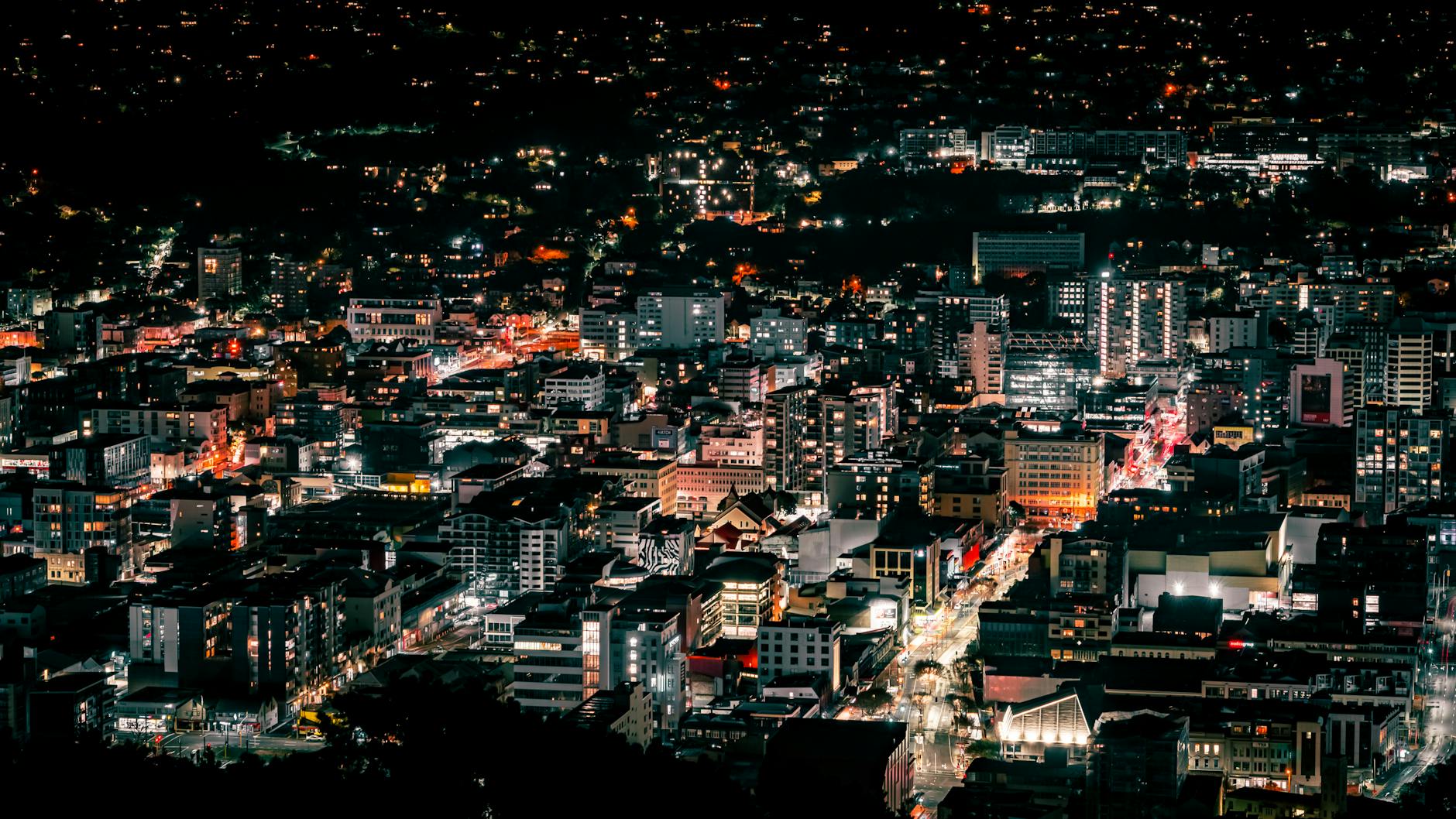
Now, venues like Motel Bar and JJ Murphy’s are capitalising on those crucial extra hours, with some reporting 30% increases in weekend revenue. The extended hours have also created space for different types of experiences — think late-night jazz sessions, 2am DJ sets, and proper closing time celebrations that don’t feel rushed.
But here’s the catch: not every venue is equipped to handle the later crowd. Some operators are discovering that the 2-4am demographic behaves very differently from the dinner-and-drinks crowd, requiring different staffing approaches and security considerations.
2. Courtenay Place Is Shedding Its Rough Reputation
For years, Courtenay Place was synonymous with broken glass, police sirens, and the kind of messy nights that made parents worry. That’s changing, thanks partly to a coordinated effort between venue owners, council, and police to professionalise the strip’s offerings.
The arrival of more sophisticated venues like Library Bar and the refurbishment of stalwarts like San Fran has elevated the area’s tone. These aren’t just booze barns — they’re offering craft cocktails, quality food until late, and environments where you can actually have a conversation without shouting.
According to Reuters, Wellington’s late-night violence statistics have dropped 40% compared to pre-pandemic levels, suggesting the strategy is working. The question is whether this gentrification will price out the scrappy, authentic venues that gave Courtenay Place its character in the first place.
3. Cuba Street’s Underground Renaissance
While Courtenay Place gets the headlines, Cuba Street is quietly becoming Wellington’s most interesting after-dark destination. The strip’s collection of intimate bars, late-night eateries, and music venues is attracting a different crowd — one that prioritises quality over quantity and conversation over chaos.
Venues like Havana Coffee Works’ evening incarnation, The Rogue & Vagabond, and newly opened speakeasy-style bars in former retail spaces are creating a network of spots where you can bar-hop without feeling like you’re on a pub crawl. The street’s existing music venues are also extending their hours, meaning you can catch a 10pm gig and still have somewhere decent to debrief afterwards.
This organic development feels more sustainable than top-down nightlife planning, but it’s also more fragile. Rising rents and noise complaints from new apartment developments could easily kill the vibe before it fully establishes itself.
4. Late-Night Dining Finally Has Options
Wellington’s historic weakness — finding decent food after 10pm that isn’t a kebab or pie — is finally being addressed. The extended licensing hours have encouraged restaurants to stay open later, while new venues are opening specifically to serve the post-dinner, pre-club crowd.
Places like Charley Noble’s late-night menu, Lucky’s extended hours, and several new Asian fusion spots are proving there’s real demand for quality food in that 10pm-2am window. Food trucks are also getting smarter about positioning themselves near venue clusters rather than just hoping for drunk foot traffic.
The challenge will be maintaining food quality and service standards during those crucial late hours when margins are tighter and staff are tired. Early reports suggest some venues are struggling with this balance, particularly on busy weekend nights.
5. Transport Is Still the Weak Link
All the extended hours and new venues in the world won’t help if people can’t get home safely and affordably. Wellington’s public transport effectively shuts down after midnight, and taxi/rideshare availability remains patchy during peak demand periods.
Some venues are getting creative — offering shuttle services to popular residential areas, partnering with rideshare companies for discounted late-night rates, or even arranging group transport for regular customers. But these are band-aid solutions to a structural problem.
Until Wellington sorts out legitimate late-night transport options, the nightlife revival will remain constrained by geography and demographics. The current setup essentially excludes anyone who doesn’t live within walking distance or can’t afford premium transport costs.
6. Safety Measures Are More Sophisticated
The new generation of Wellington nightlife operators are taking safety seriously in ways that go beyond just hiring more bouncers. Venues are investing in better lighting, implementing buddy system initiatives, training staff in intervention techniques, and using technology like safety apps and panic buttons.
The Courtenay Place collective has also established shared security protocols and communication systems, meaning incidents can be tracked and managed across multiple venues. Some bars are even offering safe space training for staff and creating dedicated areas for people who feel uncomfortable.
These measures are smart business as well as good citizenship — venues with strong safety reputations are attracting customers who might otherwise stay home. But the real test will come during summer when visitor numbers peak and the after-dark population swells.
7. The Economic Impact Is Significant
Wellington’s nightlife revival isn’t just about fun — it’s becoming a serious economic driver. Late-night venues are creating jobs, generating tax revenue, and attracting visitors who might otherwise choose Auckland or other cities for weekend breaks.
Early economic analysis suggests the extended trading hours alone have created approximately 200 new jobs across the hospitality sector, while late-night spending has increased by an estimated 25% compared to 2024 levels. This doesn’t just benefit venue owners — it flows through to security companies, cleaning services, transport providers, and even daytime businesses that benefit from increased weekend visitor numbers.
The success is also attracting investment from outside Wellington, with several Australian and Auckland-based hospitality groups reportedly eyeing the capital for new venue developments. This external interest validates the revival but also raises questions about whether local operators can compete with bigger players.
The real test for Wellington’s nightlife renaissance will come over the next 12 months as the novelty wears off and the scene settles into sustainable patterns. If the city can maintain the current momentum while addressing transport and housing pressures, it could establish itself as New Zealand’s premier after-dark destination. If not, this could prove to be just another false dawn in Wellington’s long struggle to create a nightlife scene that matches its daytime cultural reputation.