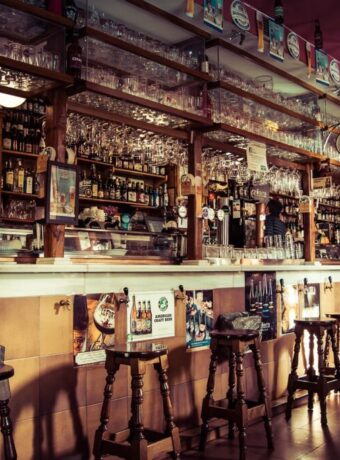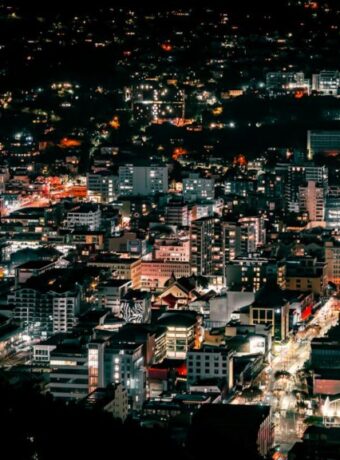
Wellington Nightlife Hours Under Review as Council Weighs Extended Trading
Wellington City Council is reviewing current nightlife trading restrictions following sustained pressure from hospitality operators and recent moves by Auckland to extend bar hours to 4am. The review comes as the capital’s entertainment sector argues current 3am limits are hampering recovery and competitiveness.
- Current Wellington bars must close by 3am under district plan rules
- Auckland extended trading hours to 4am in March 2026
- Hospitality sector claims $12M annual revenue loss from early closures
- Police data shows 15% drop in CBD incidents since 2024
- Council consultation opens June 2026 with decision expected by September
Wellington’s nightlife sector is mounting its strongest campaign yet for extended trading hours, with bar owners and event promoters arguing the current 3am cutoff is costing the city millions in lost revenue and cultural vitality. The push has gained momentum following Auckland’s successful extension to 4am trading in March, which operators say has already drawn talent and punters north.
Wellington nightlife by numbers
“We’re watching our best DJs and events move to Auckland because they can run proper late-night sets there,” says Sarah Chen, owner of three Courtenay Place venues. “A 3am finish means we’re cutting sets short and losing the crowd just as things get going.”
The hospitality association estimates Wellington loses approximately $12 million annually through restricted trading hours, based on comparative data from cities with extended licensing. According to Stats NZ, the capital’s accommodation and food services sector has lagged behind Auckland and Christchurch in post-pandemic recovery, with revenue still 8% below 2019 levels.
Safety concerns vs economic arguments
Police initially opposed extended hours but recent crime statistics show a different picture. CBD-related incidents have dropped 15% since 2024, with Sergeant Mike Thompson noting “better lighting, increased security presence, and changing drinking patterns have all contributed to safer late-night environments.”
However, some residents groups remain concerned about noise and anti-social behavior. “Extended hours in theory sound fine, but we need guarantees about sound management and crowd control,” says Te Aro Residents Association chair David Walsh.
The council’s regulatory committee will examine evidence from Auckland’s recent changes, where extended hours have reportedly increased venue compliance and reduced rapid closing-time bottlenecks that previously led to street congestion. Early data suggests Auckland’s staggered closing approach has actually improved crowd dispersal.
“What we’re seeing overseas and now in Auckland is that rigid early cutoffs can actually create more problems than they solve,” explains hospitality consultant Emma Rodriguez. “People rush to cram in drinking before arbitrary deadlines rather than enjoying a more relaxed evening.”
The Wellington difference
Unlike Auckland’s blanket extension, Wellington’s proposal would likely include stricter conditions around sound management, security requirements, and potentially geographic restrictions to certain precincts. The council is also considering a trial period to assess impacts before permanent changes.
Mayor Tory Whanau has signaled cautious support, stating “we need to balance Wellington’s reputation as a vibrant cultural capital with legitimate resident concerns.” The review will examine noise complaints data, police incident reports, and economic impact studies before making recommendations.
Public consultation opens in June, with the council aiming for a decision by September ahead of the summer event season. If approved, extended hours could begin as early as November 2026, potentially positioning Wellington to reclaim some ground in the competitive late-night entertainment market.