Wellington Ghost Tours Boom as Heritage Tourism Surges Post-COVID
Wellington’s ghost tours and supernatural walking experiences are experiencing unprecedented demand, with bookings up 40% this year as heritage tourism rebounds stronger than ever. New operators are launching spooky evening tours across the capital, tapping into growing appetite for authentic local storytelling experiences.
- Ghost tour bookings up 40% year-on-year across Wellington region
- Three new supernatural walking tour operators launched in 2026
- Heritage tourism spending increased 25% compared to pre-COVID levels
- Evening tours now booking out three weeks in advance during peak season
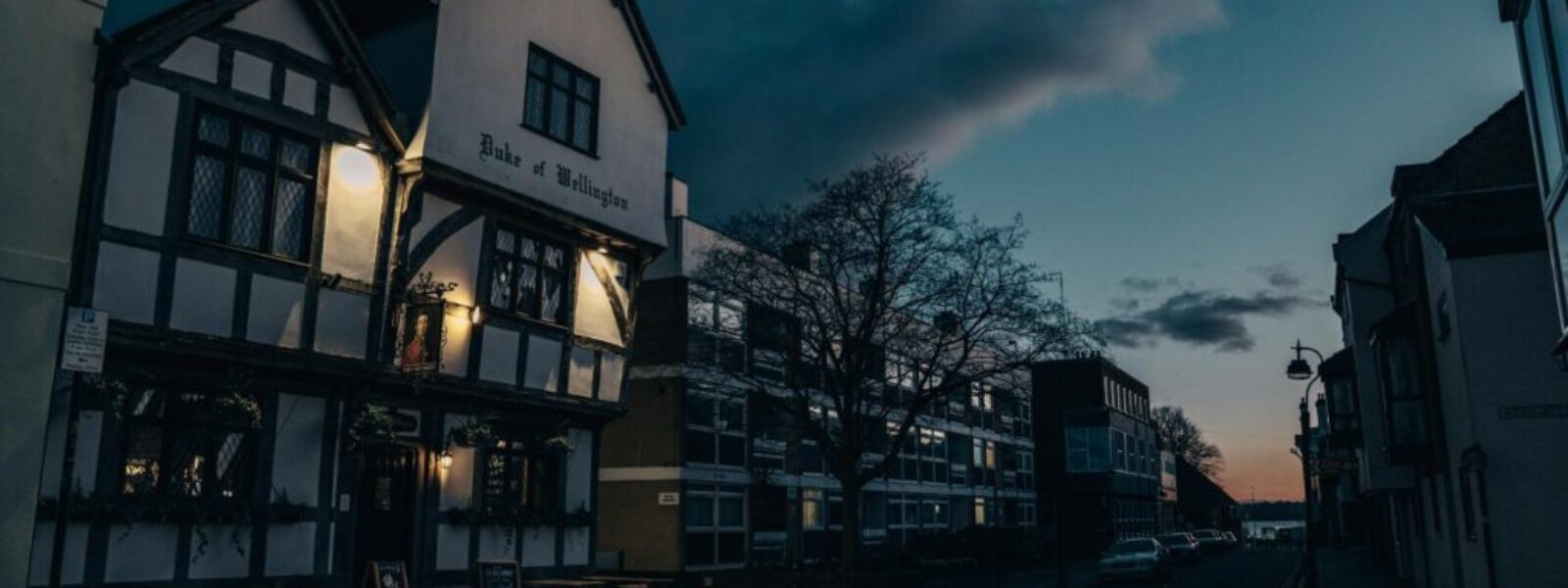
The capital’s cobblestone laneways and Victorian-era buildings are proving perfect backdrops for a tourism boom nobody saw coming. Ghost tours, once a niche Halloween novelty, are now Wellington’s fastest-growing heritage activity.
Ghost Tourism Growth Stats
“We’re seeing people who would never normally do a ghost tour booking in,” says Sarah Mitchell, founder of Wellington Spirits Walking Tours. “It’s not about believing in ghosts anymore — it’s about connecting with the city’s real history through compelling storytelling.”
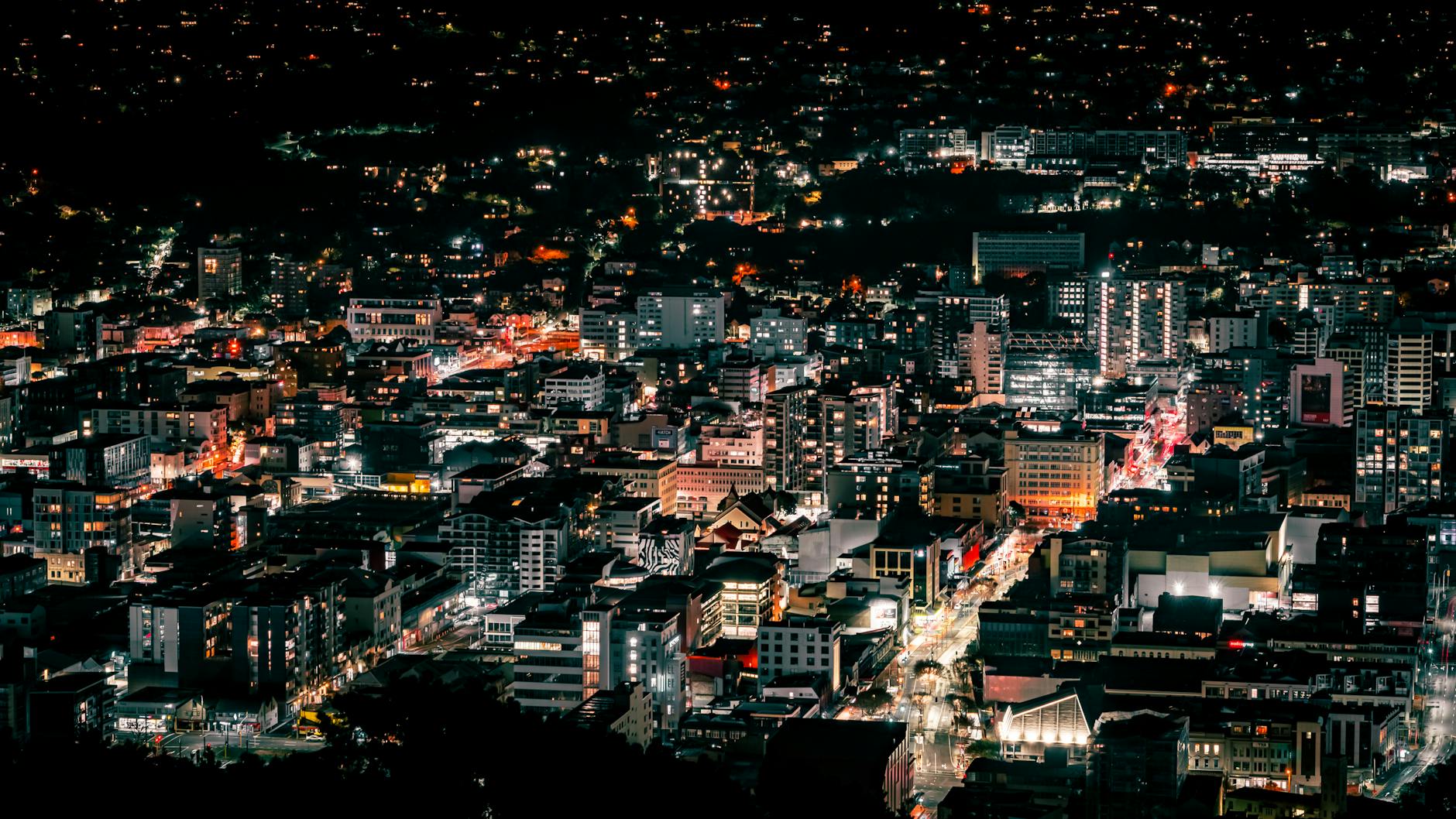
The surge reflects broader shifts in post-pandemic travel preferences. Visitors increasingly seek authentic local experiences over generic attractions, with heritage tourism spending across New Zealand up 25% compared to 2019 levels, according to Tourism Industry Aotearoa, the findings showed heritage activities now represent the fastest-growing segment of domestic tourism.
Spooky business is serious business
Wellington Ghost Tours, the city’s longest-running operator, has added four new evening slots per week to meet demand. Owner James Crawford reports bookings are strongest among 25-45 year olds, with couples and friend groups making up 70% of customers.
“The demographic surprised us,” Crawford explains. “We expected teenagers and tourists, but we’re getting professionals, parents, even retirees who want to see their city through different eyes.”
New players are capitalising on the trend. Haunted Heritage Walks launched in March, focusing on parliamentary precinct stories, while Supernatural Cuba Street debuted ghost tours through the city’s bohemian quarter last month.
The timing couldn’t be better for Wellington’s broader tourism recovery. International visitor numbers remain 30% below pre-COVID levels, but domestic tourism is thriving. Ghost tours, typically priced $35-50 per person, offer operators strong margins while delivering experiences that can’t be replicated online.
Tourism Wellington’s Emma Rodriguez notes the trend aligns with global heritage tourism patterns. “Cities worldwide are seeing similar growth in storytelling tours, walking experiences, and activities that showcase local character rather than landmarks,” she says.
Not everyone’s convinced
Some heritage professionals question whether supernatural tourism trivialises Wellington’s genuine historical significance. Dr. Michael Thompson from Victoria University’s Heritage Studies programme argues ghost tours risk “commodifying local stories for entertainment rather than education.”
Yet operators insist their tours boost genuine historical interest. Crawford cites customer feedback showing 60% of ghost tour participants later visit heritage sites mentioned during walks. “We’re gateway drugs to proper historical engagement,” he jokes.
The success mirrors overseas examples where ghost tours became legitimate tourism drawers. Edinburgh’s Royal Mile ghost walks generate £12 million annually, while Salem’s supernatural tourism industry employs over 500 people year-round.
For Wellington, the ghost tour boom represents broader opportunities. Heritage tourism typically generates higher per-visitor spending than general tourism, with participants more likely to dine locally and visit museums during extended stays.
As winter approaches, when evening tours become particularly atmospheric, operators predict continued growth. Mitchell has already added Christmas ghost walks to her schedule, while Crawford plans expansion into Lower Hutt’s historic precincts.
Whether Wellington’s ghost tour phenomenon represents lasting tourism evolution or temporary post-pandemic novelty remains unclear. But with booking calendars full through September and new operators entering the market monthly, the capital’s supernatural tourism scene shows no signs of dying down.