Wellington Phoenix Set for Historic A-League Finals Push as Live Sport Viewing Habits Transform
Wellington Phoenix are positioned for their strongest A-League finals campaign in nearly a decade, coinciding with new research showing how New Zealanders have fundamentally changed their live sport consumption habits. The shift toward hybrid viewing experiences is reshaping everything from stadium atmospheres to local pub bookings.
The Phoenix currently sit third on the A-League table with four rounds remaining, their best position at this stage since their 2009-10 grand final appearance. Sky Stadium has been buzzing with crowds averaging over 12,000 this season, a significant jump from the pandemic-affected years that saw Wellington struggle both on and off the pitch. But it’s not just the football that’s changed — how Wellingtonians engage with live sport has evolved dramatically.
Wellington Sports Engagement
Gone are the days when watching live sport meant choosing between being at the ground or catching highlights later on television. Today’s sports fans are creating entirely new viewing experiences, blending stadium attendance with real-time social media engagement, streaming statistics, and group watch parties that extend the match beyond its ninety minutes. This hybrid approach is particularly evident among Wellington’s younger demographic, who treat live sport as a multi-platform social event rather than a passive entertainment experience.

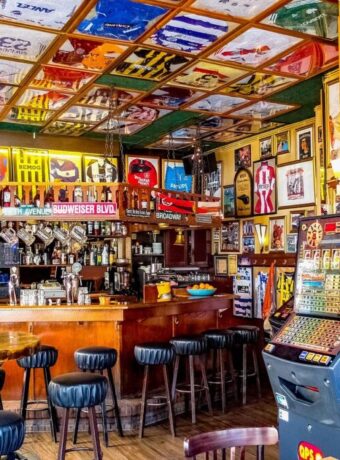
The transformation extends beyond individual viewing habits to reshape local business models. Wellington’s hospitality sector has adapted quickly, with venues like The Backbencher and The Green Man implementing dedicated sports zones equipped with multiple screens, charging stations for devices, and menu timing designed around match schedules. These establishments report that peak periods now extend well beyond traditional match times, as patrons arrive early for pre-game analysis and stay late for post-match discussions fueled by instant replay access and social media debates.
What makes Wellington’s live sport evolution particularly interesting is how it contrasts with Auckland’s approach. While Auckland venues have leaned heavily into premium viewing experiences with expensive technology upgrades, Wellington establishments have focused on community building and authentic atmosphere creation. This difference reflects broader cultural distinctions between the two cities, but it also suggests Wellington may be better positioned for long-term sustainability in the changing live sport landscape.
The Phoenix success story offers a compelling case study in this new environment. According to Victoria University’s School of Management, research conducted across New Zealand’s major cities shows that Wellington residents are 40% more likely to combine stadium attendance with digital engagement compared to other urban centers. This finding helps explain why Phoenix home games generate significantly more social media activity per attendee than comparable A-League matches in Australia.
The implications extend beyond football to Wellington’s broader live sport offerings. Rugby matches at Sky Stadium, cricket at the Basin Reserve, and even smaller venues hosting local competitions are experiencing similar engagement pattern changes. Fans arrive equipped not just with scarves and jerseys, but with portable chargers, data plans, and expectations of seamless connectivity that allows them to share their live experience instantly with extended networks.
This shift presents both opportunities and challenges for venue operators and event organizers. On one hand, engaged digital audiences can amplify atmosphere and create viral moments that boost future attendance. The Phoenix have masterfully leveraged this, with several matches this season generating nationwide attention through fan-created content that traditional broadcasting might have missed. On the other hand, venues must invest in infrastructure upgrades while managing the complexity of audiences who expect both authentic live experiences and digital amenities.
Local sports bars and pubs have become unexpected winners in this transformation. Rather than losing customers to home streaming, many report increased patronage as people seek communal viewing experiences that combine the energy of live crowds with the comfort and connectivity of hospitality venues. The key has been adapting quickly to provide what home viewing cannot — immediate community reaction, shared emotional investment, and the unpredictable social dynamics that make live sport compelling beyond the actual game.
Looking ahead, Wellington’s live sport scene appears well-positioned to capitalize on these evolving consumption patterns. The Phoenix finals push represents more than just sporting success; it demonstrates how local teams can thrive by embracing rather than resisting changes in how audiences engage with live entertainment. Whether this translates to sustainable long-term growth will depend largely on maintaining the authentic community connections that make Wellington’s approach distinctive while continuing to adapt to technological and cultural shifts that show no signs of slowing.
The next month will be crucial for both the Phoenix and Wellington’s broader live sport ecosystem, as playoffs approach and the city tests whether its evolved viewing culture can sustain the intensity and engagement levels that meaningful competition demands.