Restaurant Wage Costs Hit Wellington Hard: 7 Things Owners Need to Know
Wellington’s restaurant scene is grappling with the biggest wage cost shock in years as minimum wage hits $23.15 per hour. Many operators are scrambling to redesign their business models while keeping doors open and staff employed.
The capital’s dining landscape is shifting fast as restaurant owners navigate the steepest minimum wage increase in recent memory. With many venues already operating on razor-thin margins post-COVID, this latest cost pressure is forcing some uncomfortable conversations about menu prices, service models, and staffing levels across the city.
Restaurant cost pressures at a glance
1. Menu prices are jumping faster than inflation
Walk into any Wellington restaurant this month and you’ll notice the sticker shock. Popular Cuba Street eatery The Bresolin has bumped most mains up by $3-4, while Charteris Bay oysters at Fisherman’s Table now cost $6 each instead of $4.50. It’s not gouging — it’s survival math.
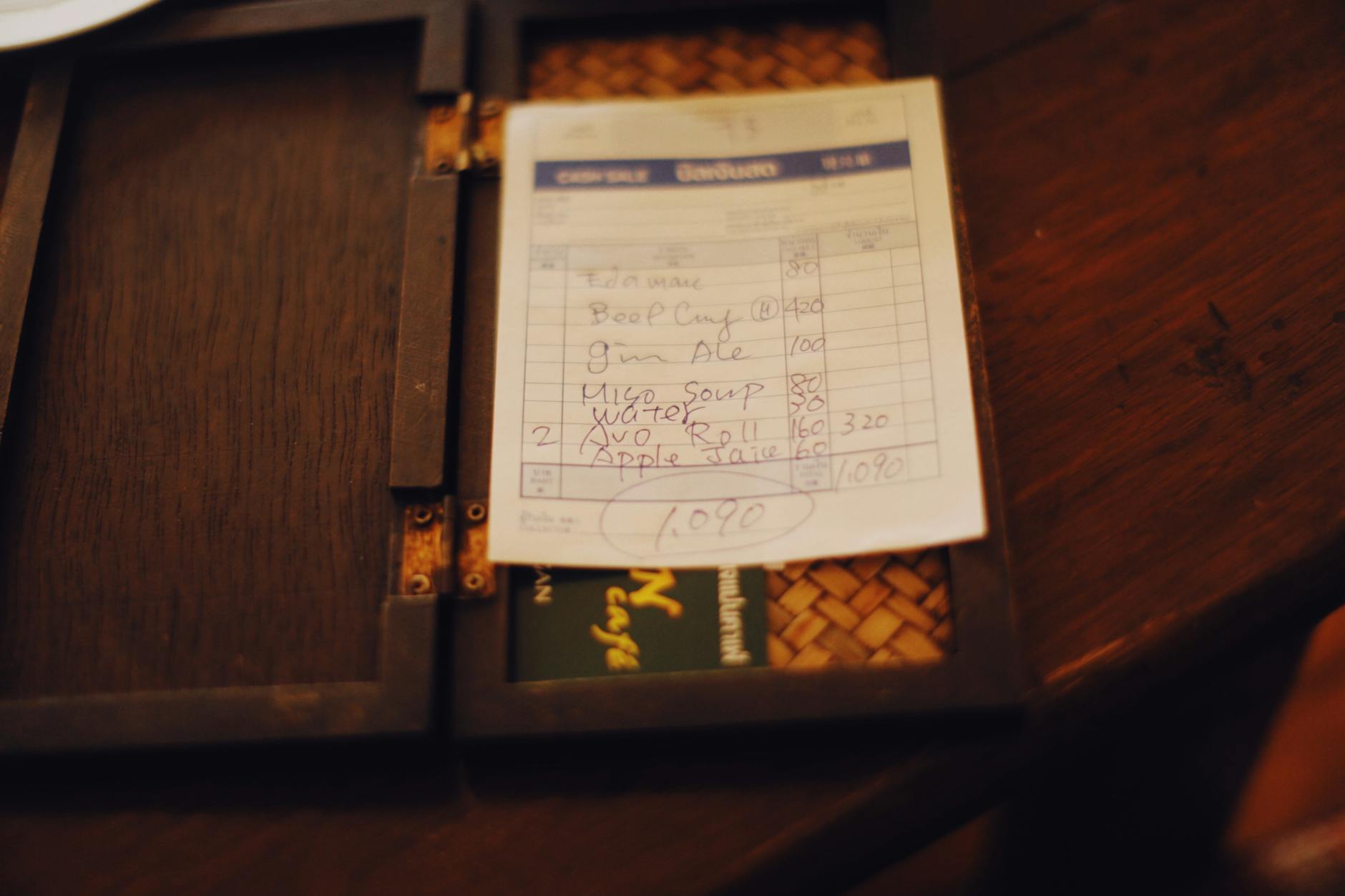
Restaurant owners are caught between two forces: paying living wages to retain good staff, and keeping prices reasonable enough that customers don’t flee to the supermarket. The smart operators are being transparent about it, with some venues now explicitly noting on menus that prices reflect fair wages for kitchen and front-of-house teams.
2. Self-service is the new normal
Counter service is spreading beyond cafes into full-service restaurants. Logan Brown’s new sister venue on Tory Street operates entirely on a QR-code ordering system, while several Courtenay Place establishments have moved to hybrid models where customers order at the counter but food is still delivered to tables.
This isn’t about cutting service quality — it’s about math. According to Restaurant Association of New Zealand, the wage cost increase means venues need to serve 15-20% more covers to maintain the same profit margins. Self-service models help bridge that gap while keeping experienced chefs in the kitchen where they add most value.
3. Weekend penalty rates are reshaping opening hours
Sunday brunch might become a casualty of the new wage reality. Weekend penalty rates now push hourly costs above $27 for many staff, making Sunday service unprofitable unless venues can guarantee consistent crowds. Some Mount Victoria cafes have already switched to weekend-only opening, while others are experimenting with premium weekend menus to justify the higher labor costs.
The flow-on effect hits customers too. That leisurely Sunday morning coffee culture Wellington loves could become more expensive or harder to find as venues reassess whether weekend service makes financial sense.
4. Kitchen automation is accelerating
Robotic pizza ovens and automated coffee machines aren’t science fiction anymore — they’re appearing in Wellington kitchens as owners seek ways to maintain quality while controlling labor costs. Several new venues opening this year have invested heavily in equipment that reduces the need for junior kitchen staff.
This doesn’t mean mass job losses, but it does mean roles are evolving. The successful restaurants are using technology to handle repetitive tasks while redeploying human staff to customer-facing roles where personality and expertise add real value.
5. Shared kitchens and ghost restaurants are booming
Commercial kitchen spaces in Petone and Lower Hutt are booked solid as Wellington restaurateurs explore delivery-only concepts. These “ghost restaurants” can operate with minimal front-of-house staff while still serving the CBD market through Uber Eats and local delivery services.
It’s a pragmatic response to cost pressures. A ghost restaurant can test new concepts and serve existing customers without the fixed costs of prime Wellington real estate and full service teams. Some established venues are running parallel ghost operations to diversify revenue streams.
6. Staff retention is becoming make-or-break
With higher wage costs, every hiring mistake becomes expensive. Smart restaurant owners are investing heavily in staff training and retention programs because losing a trained team member now costs significantly more to replace. Some venues are offering equity stakes or profit-sharing arrangements to keep experienced staff.
The tight labor market means good hospitality workers can be choosy about where they work. Restaurants offering genuine career development, reasonable hours, and respectful management are winning the talent war, while those treating staff poorly are struggling to maintain consistent service.
7. The casual dining squeeze is real
Mid-tier restaurants — not quite fast food, not quite fine dining — face the toughest adjustment. They can’t easily move to self-service models like cafes, but they also can’t command the premium prices of high-end establishments. Several Lambton Quay venues have already closed, with owners citing unsustainable wage costs as the primary factor.
This squeeze is reshaping Wellington’s dining scene toward a barbell distribution: more quick-service options on one end, more premium experiences on the other, with fewer options in between. It’s a pattern we’ve seen in other high-cost cities worldwide.
The next six months will determine which Wellington restaurants adapt successfully and which ones become casualties of the new economics. The venues investing in efficiency, staff retention, and clear value propositions are positioning themselves to thrive, while those hoping to wait out the cost pressures may find themselves priced out of the market entirely.