Wellington Restaurant Staff Shortage: What the Hospitality Crisis Means for Diners
Wellington’s restaurant scene is grappling with a severe staffing crisis as immigration policy changes and wage pressures create a perfect storm. Many beloved eateries are reducing hours or closing days entirely, fundamentally changing how we dine out in the capital.
What’s happening to Wellington’s restaurants right now?
Wellington Restaurant Crisis by the Numbers
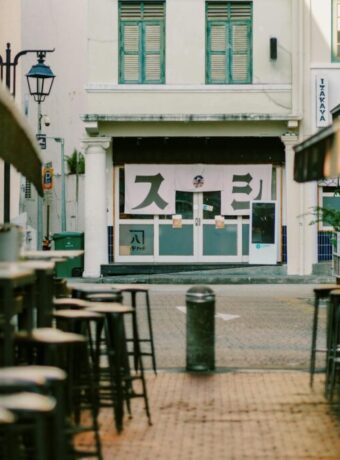
Walk down Courtenay Place or Cuba Street any weeknight and you’ll notice something different – restaurants that used to buzz until late are closing their doors at 9pm, or shuttering completely on Mondays and Tuesdays. From high-end establishments to neighbourhood favourites, Wellington’s dining scene is contracting faster than a soufflé in a cold kitchen.
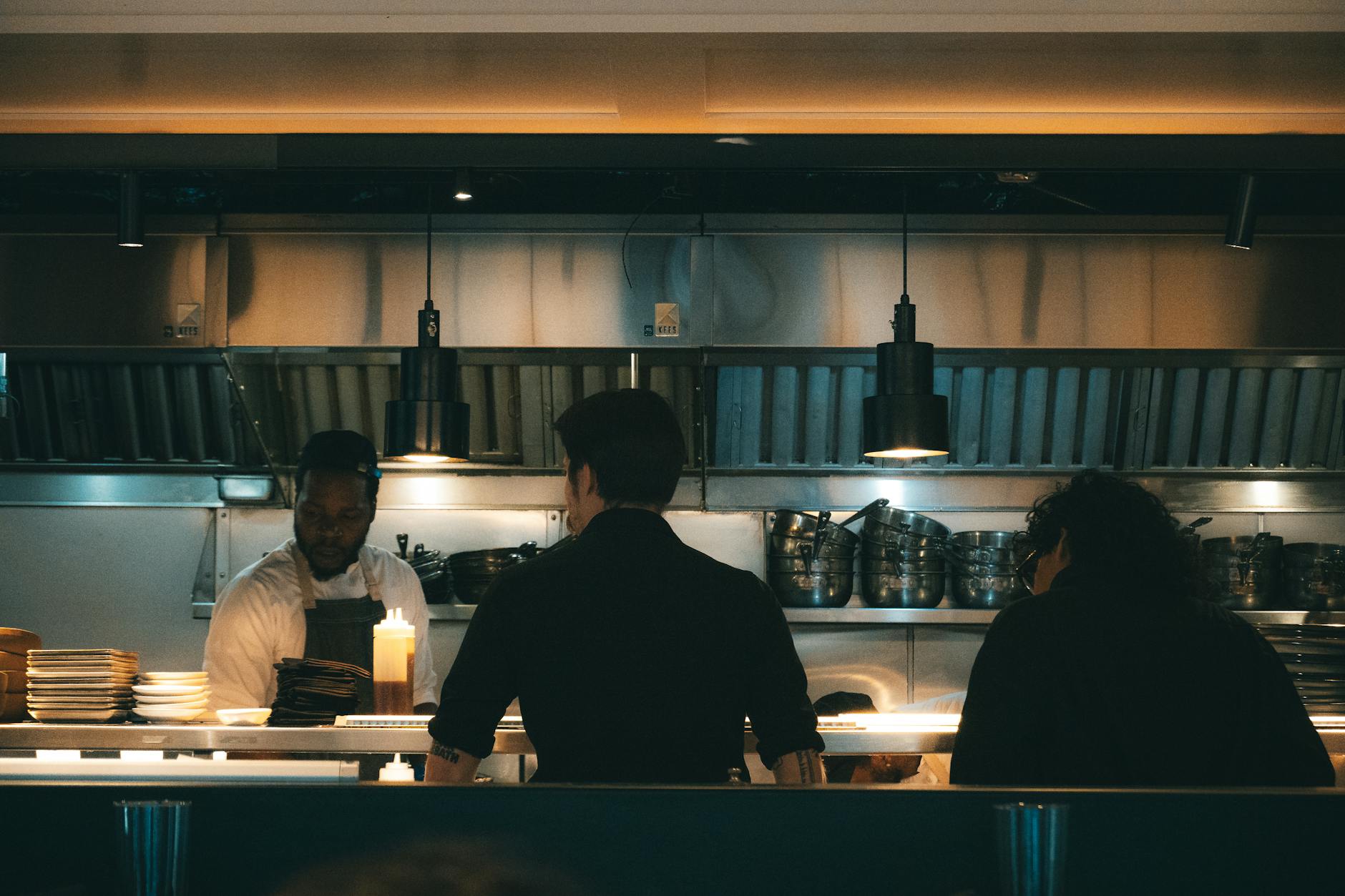
The numbers paint a stark picture. Local restaurant owners report being 30-40% understaffed, with some positions remaining unfilled for months. Kitchen staff are particularly scarce, but front-of-house roles are equally challenging to fill. This isn’t just about finding warm bodies – restaurants need experienced staff who understand food safety, can handle complex orders, and deliver the service standards Wellington diners expect.
Why is this crisis hitting now?
Several factors have converged to create this perfect storm. Immigration policy changes have dramatically reduced the pool of overseas workers who traditionally filled many hospitality roles. The Accredited Employer Work Visa system, while well-intentioned, has created bureaucratic hurdles that many smaller restaurants simply can’t navigate or afford.
Simultaneously, rising living costs mean hospitality wages – historically among the lowest in the economy – no longer cover basic expenses in Wellington. A kitchen hand earning $23 an hour can barely afford rent in the capital, let alone save for the future. Many workers have pivoted to other industries offering better pay and conditions, from retail to construction to government roles.
Which restaurants and diners are most affected?
Fine dining establishments are feeling the pinch hardest. These venues require experienced staff who understand complex service protocols and can articulate intricate menu details to customers. When a head chef position at a respected restaurant remains vacant for four months, it speaks to the severity of the skills shortage.
But casual dining isn’t immune. Family restaurants in the suburbs are cutting operating hours because they can’t find reliable staff for evening shifts. Food trucks and quick-service operators are dealing with increased labour costs as they compete for the diminishing pool of available workers. For diners, this means longer waits, reduced service quality, and fewer dining options – particularly for spontaneous mid-week meals or late-night dining.
How are restaurants adapting to survive?
Innovation born from necessity is reshaping Wellington’s dining landscape. Some restaurants are embracing technology – QR code menus, app-based ordering, and automated booking systems – to reduce front-of-house requirements. Others are simplifying their offerings, focusing on dishes that require fewer preparation steps and less specialised kitchen skills.
Menu engineering has become crucial. Restaurants are designing dishes around available staff capabilities rather than culinary ambition. According to Restaurant Association of New Zealand, the finding showed that 78% of operators have modified their menus to accommodate staffing constraints. Smart operators are also investing heavily in staff retention – offering better wages, flexible schedules, and clear career progression paths to keep existing team members.
What does this mean for Wellington’s dining culture?
The implications extend beyond individual restaurants to Wellington’s identity as a food city. The capital has built its reputation on diverse, accessible dining options – from hole-in-the-wall gems to award-winning establishments. This staffing crisis threatens that diversity, potentially leading to a more homogenised dining scene dominated by larger operators with better resources.
There’s a real risk of losing the intimate, owner-operated restaurants that give Wellington its character. When a passionate chef-owner spends more time recruiting than cooking, something fundamental shifts. The city’s food culture – built on innovation, accessibility, and personal connection – faces an existential challenge. However, this crisis might also accelerate positive changes, forcing the industry to improve wages and working conditions that have been unsustainable for too long.
Are there any solutions on the horizon?
The government is showing signs of recognising the crisis. Recent announcements suggest potential changes to immigration settings specifically for hospitality workers, though implementation remains months away. Industry bodies are pushing for apprenticeship programmes and better pathways for young New Zealanders to enter hospitality careers.
Some restaurateurs are getting creative with partnerships – sharing staff between venues, cross-training employees across multiple roles, and collaborating on recruitment efforts. The most forward-thinking operators are treating this as an opportunity to rebuild their businesses on more sustainable foundations, with better pay, improved working conditions, and clearer career paths.
What should Wellington diners expect going forward?
The dining landscape will look different for the foreseeable future. Expect continued reduced hours at many venues, potentially higher prices as labour costs increase, and a greater emphasis on efficiency over elaborate service. Reservation systems will become more important as restaurants operate with skeleton crews.
But this isn’t necessarily doom and gloom. The restaurants that survive this period will likely emerge stronger, more efficient, and better at taking care of their staff. Wellington’s food scene has always been resilient and innovative – this crisis might just force it to evolve in ways that ultimately benefit both workers and diners. The key question is whether enough venues can weather the storm to maintain the diversity and vibrancy that makes Wellington special.