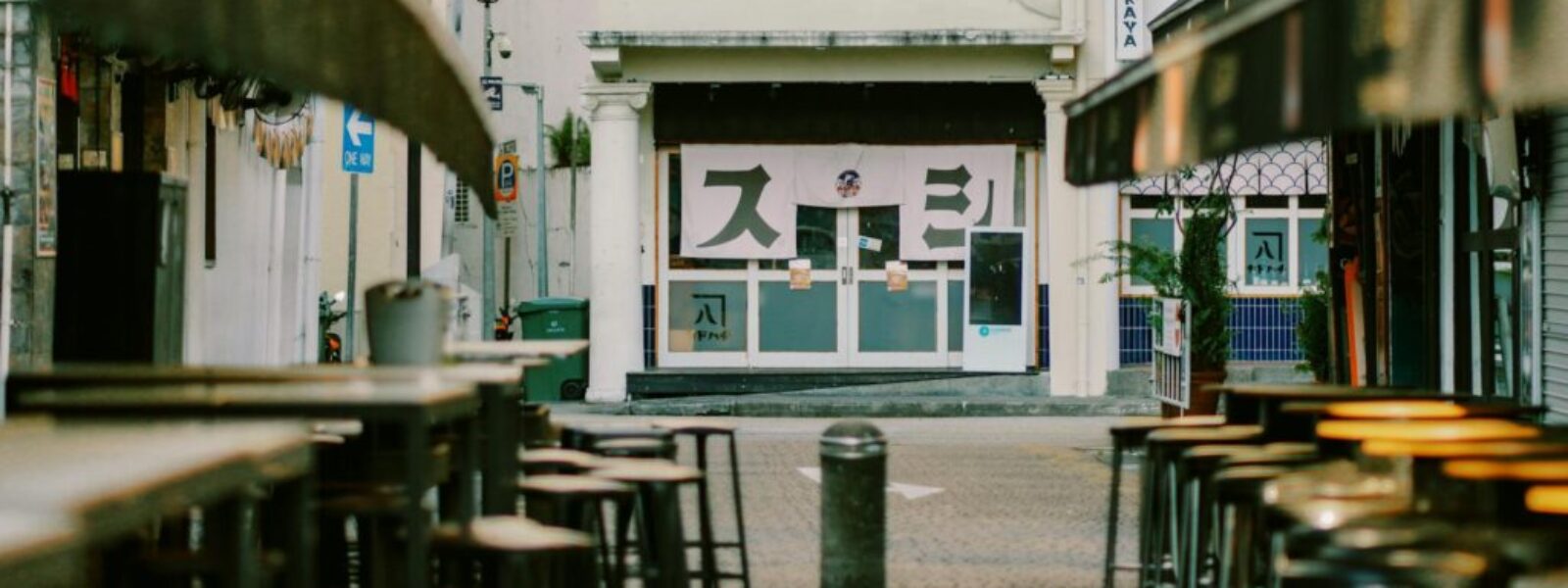
Wellington Restaurant Closures Hit Record High as Operating Costs Soar
Wellington’s dining scene faces its toughest year on record with restaurant closures hitting 23% in the past 12 months. Rising commercial rents and minimum wage increases are forcing beloved local eateries to shut their doors permanently.
- 23% of Wellington restaurants closed in the past year
- Commercial rents up 18% across CBD dining precincts
- Minimum wage increases added $47,000 annually to average restaurant wage bills
- Fine dining establishments hit hardest with 31% closure rate
- Casual dining showing more resilience at 19% closures
The numbers paint a stark picture for Wellington’s restaurant industry. Nearly one in four establishments has closed permanently since May 2025, marking the highest closure rate since records began in 1998.
Wellington Restaurant Crisis by Numbers
“We’re seeing a perfect storm of cost pressures that’s decimating the hospitality sector,” says Restaurant Association CEO Marisa Bidois. “Commercial landlords are demanding rents that simply don’t align with post-pandemic trading realities.”
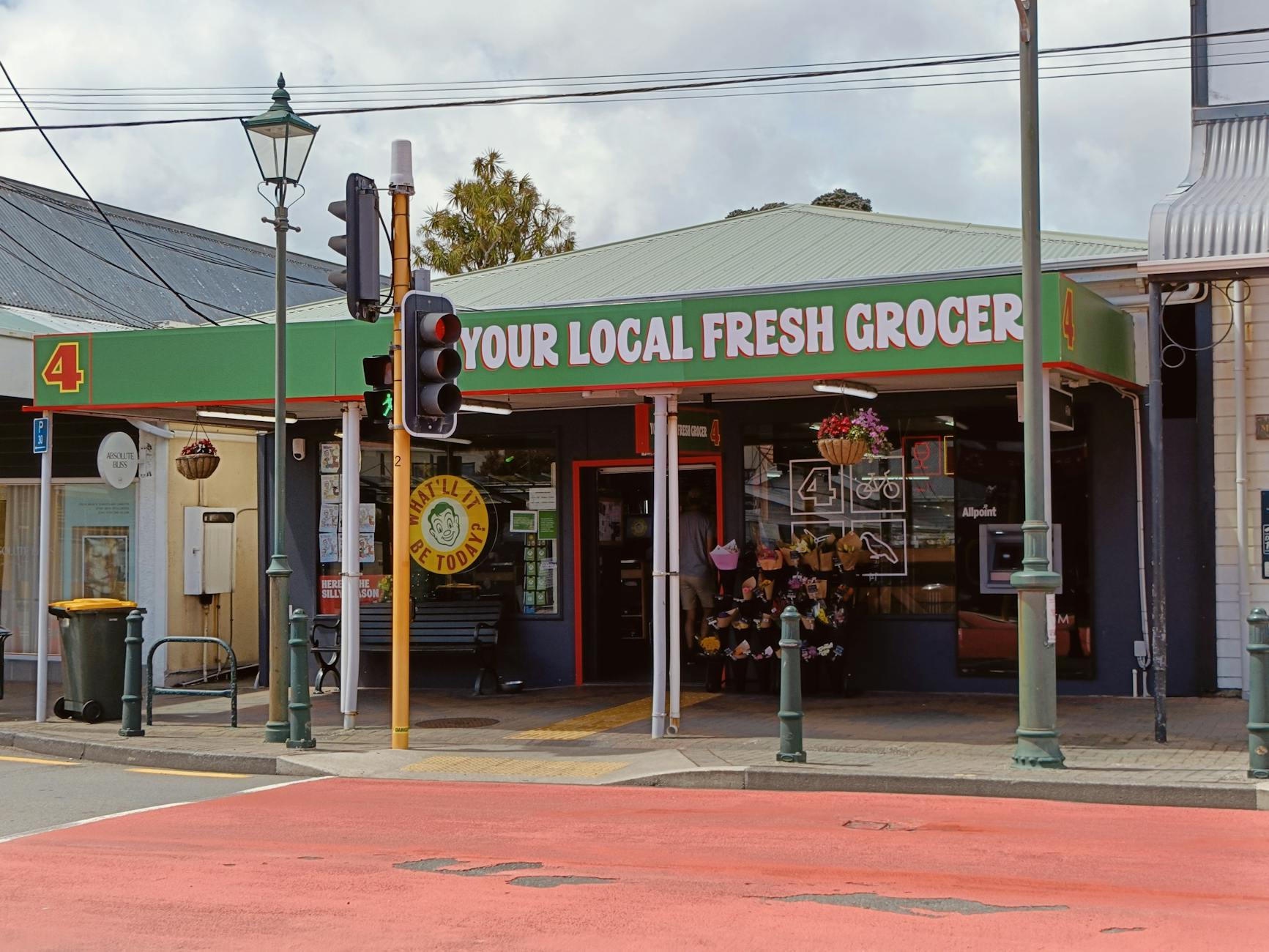
The fine dining sector has been particularly brutal. High-end establishments along Courtenay Place and Cuba Street are closing at alarming rates, with many citing the impossibility of maintaining quality service while absorbing escalating overheads.
The landlord squeeze
Commercial property data shows CBD restaurant rents have jumped 18% year-on-year, with prime Courtenay Place sites now commanding $1,200 per square metre annually. Meanwhile, foot traffic remains 15% below pre-2020 levels.
“Landlords seem to believe Wellington’s dining scene will magically return to 2019 revenue levels,” explains hospitality consultant James Mitchell. “The maths simply doesn’t work when you’re paying premium rent for reduced customer numbers.”
According to Restaurant Association of New Zealand, the findings showed that 78% of Wellington operators reported rent as their primary closure driver, well above the national average of 61%.
The wage component adds another layer of pressure. April’s minimum wage increase to $24.70 per hour has added an average of $47,000 annually to restaurant wage bills, based on typical staffing levels.
“Every dollar increase in minimum wage translates to real money when you’re running eight to twelve staff across split shifts,” notes Cuba Street restaurant owner Sarah Chen. “Something has to give, and unfortunately it’s often the business itself.”
Survival of the adaptable
Not all sectors are struggling equally. Fast-casual concepts and takeaway-focused operations show more resilience, with closure rates sitting at 12% – still elevated but manageable compared to full-service restaurants.
Food trucks and pop-up concepts are actually growing, with 23 new mobile operators launching since January. These low-overhead models can pivot quickly and avoid the crippling fixed costs plaguing traditional venues.
“Wellington diners are still eating out, but they’re choosing differently,” observes food industry analyst David Park. “Quick, affordable, and convenient is winning over the three-course experience right now.”
The closures represent more than statistics – they’re erasing decades of Wellington’s culinary identity. Iconic establishments that survived previous economic downturns are calling time, leaving gaps in the city’s dining ecosystem that may take years to fill.
For Wellington food lovers, the message is clear: support your local restaurants now, or watch them disappear permanently. The city’s reputation as New Zealand’s dining capital hangs in the balance.