Wellington Kids Activities Get Major Council Boost as City Unveils $3.2M Recreation Investment
Wellington City Council has announced a $3.2 million investment package focused on expanding family-friendly activities and kids’ recreation programs across the capital. The funding will deliver new playground upgrades, enhanced sports facilities, and expanded holiday programming through 2026-27.
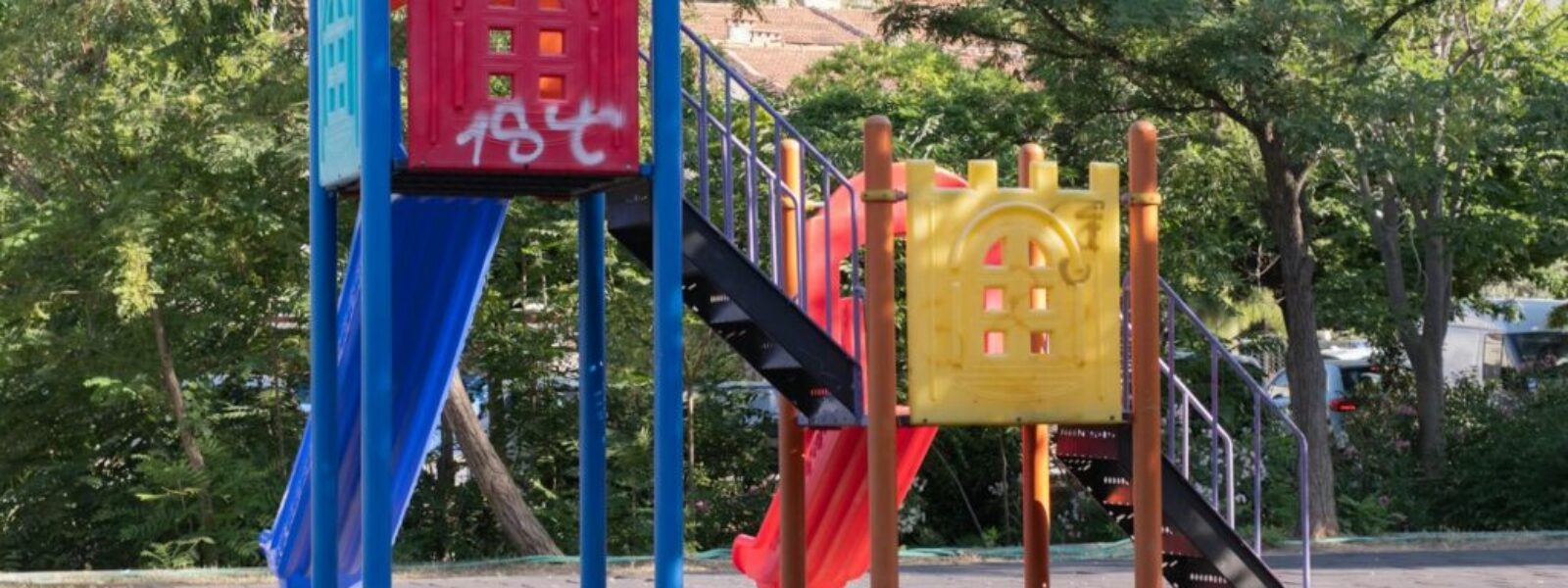
1. The funding breakdown — Council’s latest budget allocation dedicates $1.8 million to playground renewals across eight suburbs, with Johnsonville, Karori, and Newtown receiving priority upgrades. The remaining $1.4 million targets sports facility improvements and expanded holiday programs, responding to what Deputy Mayor Laurie Foon calls “unprecedented demand” from Wellington families seeking quality local activities. This represents the largest single investment in children’s recreation infrastructure since the post-earthquake rebuild period, though critics argue it’s overdue given the city’s growing young population.
Investment breakdown
2. Where the money goes — Johnsonville’s Helston Park will receive a complete playground overhaul worth $380,000, featuring new climbing structures and accessible equipment designed for children with mobility challenges. Karori’s Karori Park gets $290,000 for adventure playground elements, while Newtown’s Carrara Park receives $240,000 for toddler-focused play areas. The sports facility upgrades include artificial turf installations at three community fields and lighting improvements at Hataitai Park. Holiday programs will expand to include coding workshops, outdoor adventure camps, and arts activities during school breaks.
3. The timing question — This investment comes as Wellington families increasingly struggle with rising costs and limited affordable entertainment options for children. Council data shows 67% of parents report difficulty finding quality, affordable kids activities during weekends and holidays. The announcement follows months of community pressure, particularly from Karori and Johnsonville residents who’ve complained about outdated playground equipment and limited recreational options. However, the timeline extends through mid-2027, meaning some families won’t see improvements for over a year — a potentially frustrating delay for parents dealing with current activity shortages.
4. The evidence behind demand — according to Victoria University’s Child Development Research Unit, the study found Wellington children spend 23% less time in active outdoor play compared to regional counterparts, largely due to limited accessible facilities. Their 2026 report highlighted playground quality and program availability as key factors affecting childhood physical activity levels. This research directly influenced Council’s funding priorities, with particular emphasis on inclusive design and diverse activity options that cater to different age groups and abilities.
5. The neighbourhood impact — Each targeted suburb brings different challenges and opportunities. Johnsonville’s growing apartment developments have created demand for quality public play spaces, while Karori’s hilly terrain requires specialized playground design. Newtown’s diverse community needs multilingual programming and culturally inclusive activities. The Hataitai lighting project specifically addresses safety concerns raised by parents about after-school sports training during winter months. These location-specific approaches suggest Council has moved beyond one-size-fits-all solutions, though coordination between suburbs remains a potential challenge.
6. The broader context — Wellington’s investment mirrors similar initiatives in Auckland and Christchurch, where councils have recognized the economic and social benefits of quality children’s recreation infrastructure. Local businesses near upgraded playgrounds typically see increased foot traffic, while property values in areas with quality family amenities tend to appreciate faster. The holiday program expansion also addresses childcare gaps during school breaks, supporting working parents who struggle with coverage during non-term periods. However, ongoing maintenance costs aren’t fully outlined in current budget documents, raising questions about long-term sustainability.
7. What parents should expect — Construction on priority playgrounds begins this spring, with Johnsonville’s Helston Park scheduled for completion by December 2026. Holiday programs launch during the upcoming July school holidays, focusing initially on nature-based activities and creative workshops. Parents can register through the Council’s updated booking system, which promises simplified online enrollment and better communication about program availability. The challenge will be managing demand — early indicators suggest bookings may exceed capacity, particularly for popular activities like coding workshops and adventure camps. Council hasn’t yet announced how they’ll handle oversubscription, though a lottery system seems likely for high-demand programs.