7 Things You Need to Know About Wellington’s Museum Funding Crisis
Wellington’s cultural institutions are facing their biggest crisis in decades as the city council proposes dramatic funding cuts that could see major museums close or drastically reduce operations. The proposed budget slashes threaten to reshape the capital’s arts landscape permanently.
Wellington City Council’s draft budget for 2026-27 has sent shockwaves through the museum and arts community, with proposed cuts of up to 40% to cultural funding. The implications stretch far beyond balance sheets — this could fundamentally change what makes Wellington the cultural heart of New Zealand.
Proposed cultural funding cuts
1. Te Papa won’t save smaller institutions
While Te Papa remains federally funded and secure, the crisis hitting Wellington’s smaller museums reveals a dangerous over-reliance on council support. The City Gallery, Wellington Museum, and Cable Car Museum all face potential closure or severe hour reductions.
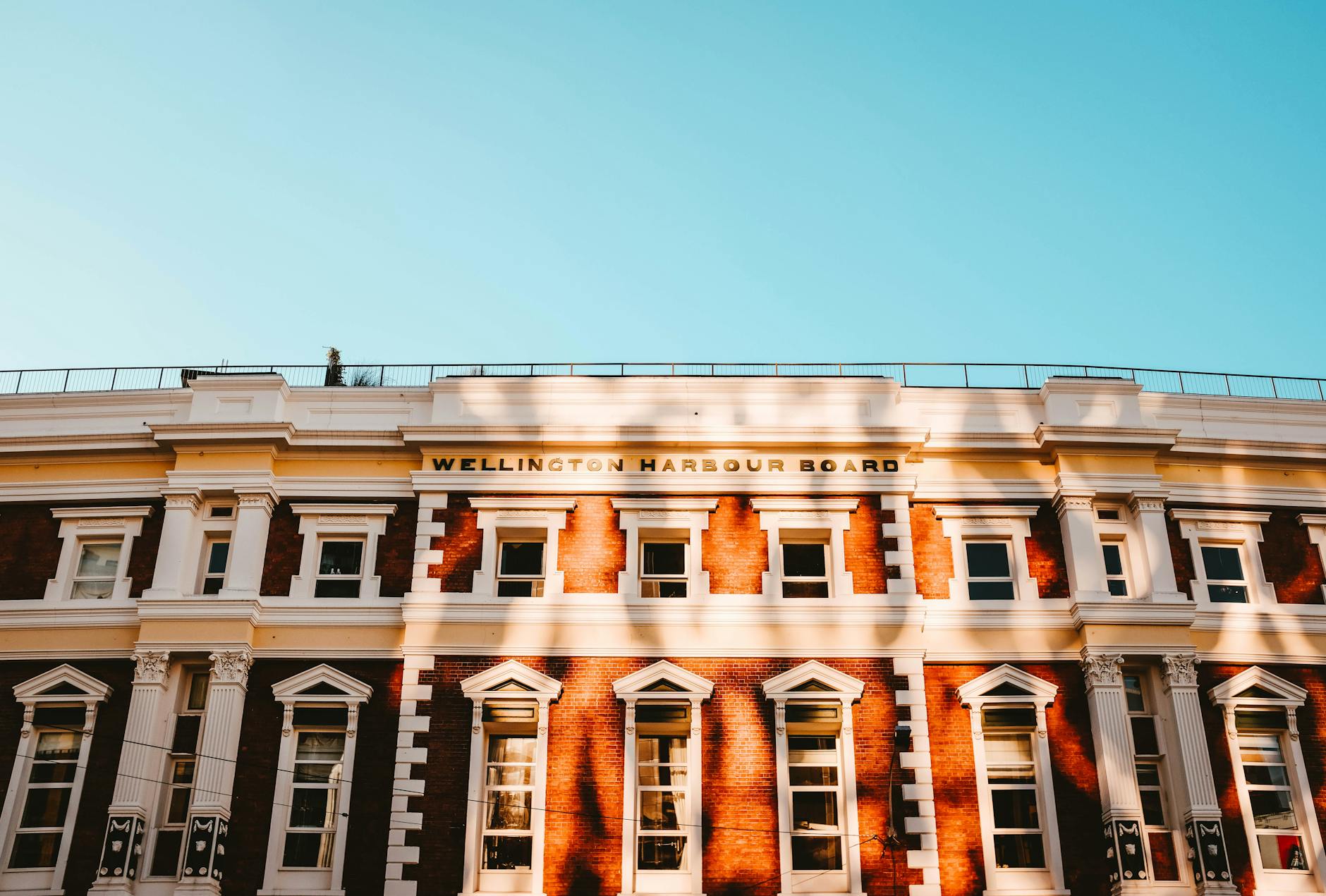
The assumption that Te Papa’s presence somehow shields other cultural institutions has proven false. In fact, smaller venues often struggle more for attention and funding precisely because Te Papa dominates the cultural conversation. These institutions serve entirely different audiences — locals seeking regular cultural engagement rather than tourists ticking boxes.
2. The Cable Car Museum closure signals bigger problems
The proposed closure of the Cable Car Museum might seem minor, but it represents a worrying trend toward sacrificing heritage for short-term savings. This institution tells Wellington’s transport story and connects directly to one of the city’s most iconic experiences.
Closing heritage sites is a one-way decision. Once institutional knowledge disperses and collections scatter, rebuilding becomes exponentially more expensive than maintaining. Auckland learned this lesson the hard way when several heritage sites were abandoned in the 1990s, only to require massive investment to restore decades later.
3. Reduced opening hours kill casual visitation
The proposed reduction to three-day operating weeks at major venues fundamentally misunderstands how people engage with culture. Museums aren’t just weekend destinations — they’re places for lunch-hour escapes, after-school programs, and spontaneous visits that build long-term cultural engagement.
Research consistently shows that New Zealand Productivity Commission findings demonstrate that cultural accessibility directly correlates with community engagement and economic activity in surrounding areas. Limiting access creates a downward spiral where reduced visitation justifies further cuts.
4. The domino effect on Wellington’s cultural ecosystem
Museums don’t exist in isolation — they anchor entire cultural precincts. The City Gallery’s potential reduced hours would impact nearby cafes, bookshops, and galleries that depend on foot traffic from museum visitors. Cuba Street’s creative economy partly relies on people moving between cultural venues.
When cultural institutions close or reduce operations, the knock-on effects ripple through hospitality, retail, and other creative businesses. Wellington’s compact CBD means these connections are particularly tight, making the cultural sector’s health crucial for broader economic vitality.
5. Visitor economy arguments don’t stack up
Council rhetoric about prioritizing “core services” ignores tourism and creative economy data. Wellington’s cultural attractions generate significant economic activity, but the benefits are diffuse and often uncounted in traditional budget analysis.
The irony is that councils elsewhere in New Zealand are investing heavily in cultural infrastructure to attract visitors and residents. Hamilton, Christchurch, and even smaller centers like New Plymouth have recognized that cultural amenities drive economic development, not drain resources.
6. This mirrors national funding challenges
Wellington’s crisis reflects broader struggles in New Zealand’s cultural funding model. Central government arts funding has remained essentially flat in real terms while costs and expectations have grown. Local councils are increasingly expected to fill gaps without corresponding revenue tools.
The current system creates postcode lotteries where cultural access depends on local council priorities and fiscal health. Wellington residents pay rates partly to access cultural services that won’t exist under these cuts, while ratepayers in other cities maintain full cultural offerings.
7. Alternative models exist but need political will
Creative funding solutions used elsewhere could work in Wellington — cultural trusts, corporate partnerships, and regional collaboration models have sustained institutions through difficult periods. However, these require long-term thinking and relationship building that emergency budget cuts don’t allow.
Dunedin’s successful public-private partnership model for the Toitū Otago Settlers Museum shows how creative governance can sustain cultural institutions. Wellington needs similar innovation, but rushed budget processes favor simplistic cuts over sophisticated solutions.
The next few months will determine whether Wellington maintains its reputation as New Zealand’s cultural capital or joins the ranks of cities that sacrificed their cultural soul for short-term fiscal relief. The decisions made now will echo for decades, making this moment crucial for anyone who values Wellington’s unique cultural identity.