Te Papa’s Digital Revolution: How Wellington’s Museum Is Redefining Arts Access
Te Papa is spearheading a national shift toward digital museum experiences with new AR technology and virtual collections, but the move raises questions about whether high-tech solutions truly enhance cultural engagement or simply follow global trends at the expense of authentic encounters.
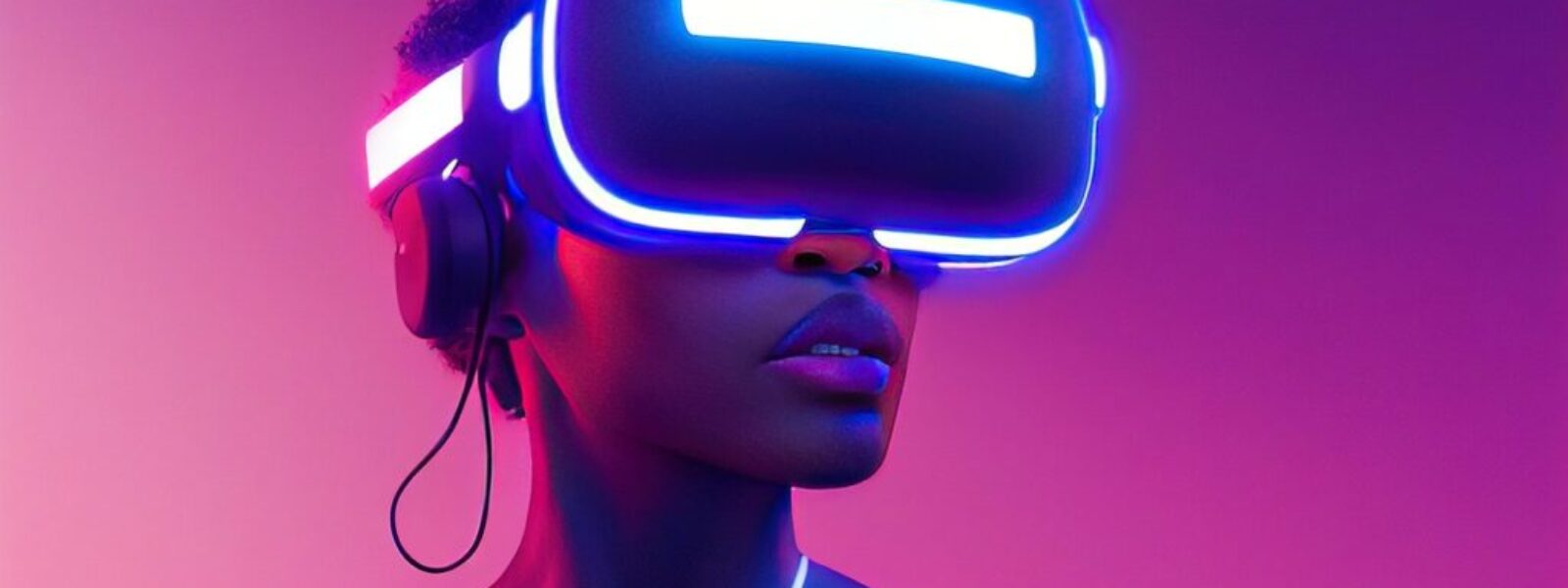
1. The digital leap — Te Papa has just unveiled its most ambitious digital transformation yet, rolling out augmented reality tours that let visitors interact with virtual taonga and explore reconstructed historical scenes through smartphones and AR glasses. The Wellington museum’s latest initiative includes holographic displays of extinct New Zealand species and immersive Māori cultural experiences that respond to visitors’ movements. But this isn’t just about flashy tech — it’s part of a broader strategy to make collections accessible to people who can’t physically visit, particularly those in rural communities or overseas whānau wanting to connect with their cultural heritage.
Te Papa's Digital Transformation by the Numbers
2. The accessibility promise — The museum’s digital push aims to break down barriers that have long limited access to New Zealand’s cultural treasures. Virtual reality headsets now allow mobility-impaired visitors to “climb” through recreated pā sites, while AI-powered translation services provide real-time te reo Māori interpretation for international tourists. The technology also enables Te Papa to showcase fragile items that would otherwise remain in storage — delicate Māori cloaks and historical documents can now be examined in minute detail without risk of damage. For Wellington families, this means kids can engage with history in ways that traditional glass-case displays never allowed.
3. The cost question — Rolling out this digital infrastructure doesn’t come cheap, with Te Papa’s tech budget increasing by 300% over the past two years. The museum has partnered with Wellington-based tech companies and secured additional government funding, but critics argue the money could be better spent on expanding physical collections or supporting regional museums struggling with basic operational costs. According to Productivity Commission research, the finding showed that while digital initiatives can boost visitor numbers short-term, sustained cultural engagement still relies heavily on meaningful human interpretation and authentic physical experiences.
4. The authenticity debate — Some cultural experts worry that high-tech museum experiences risk sanitizing or oversimplifying complex cultural narratives. Māori leaders have expressed mixed views — while digital tools can help preserve and share traditional knowledge globally, there’s concern about losing the spiritual and physical connections that come from being in the presence of actual taonga. Wellington’s museum community is watching closely to see whether Te Papa’s approach enhances traditional curation or gradually replaces it. The challenge lies in using technology to deepen understanding rather than simply creating Instagram-worthy moments.
5. The competition factor — Te Papa’s digital transformation comes as museums worldwide compete for attention in an increasingly crowded entertainment landscape. Wellington visitors now expect interactive experiences comparable to what they encounter at theme parks or gaming centres. The museum’s AR initiatives have already attracted international attention, with cultural institutions from Australia and Europe sending delegations to learn from Te Papa’s approach. However, this global focus raises questions about whether the museum is prioritizing international recognition over serving its core Wellington and New Zealand audiences.
6. The generational divide — Early visitor feedback reveals a clear split between age groups in embracing Te Papa’s digital offerings. Younger Wellingtonians gravitate toward the interactive elements, spending significantly more time engaging with AR displays than traditional exhibits. Older visitors often prefer guided human tours and express frustration with technology that can feel intrusive or overwhelming. The museum is now grappling with how to balance these preferences while ensuring that digital enhancements support rather than overshadow the fundamental mission of preserving and sharing New Zealand’s cultural heritage.
7. The future implications — Te Papa’s digital experiment will likely influence how other New Zealand cultural institutions approach technology integration. If successful, we can expect similar initiatives at Auckland Museum, Canterbury Museum, and smaller regional galleries struggling to attract younger audiences. The real test will be whether these digital tools can maintain their novelty beyond the initial excitement and whether they genuinely improve cultural understanding or simply satisfy our collective appetite for technological spectacle. For Wellington’s cultural landscape, Te Papa’s direction could either cement the city’s reputation as an innovative arts destination or serve as a cautionary tale about prioritizing form over substance.