Wellington’s Hidden Hiking Gems Face Access Threats as DOC Budget Cuts Bite
Wellington’s network of lesser-known hiking trails faces an uncertain future as Department of Conservation budget constraints threaten maintenance of popular walking tracks. Several regional park trails may see reduced access or temporary closures due to funding shortfalls.
The walking community in Wellington is confronting a harsh reality as beloved hiking trails across the region grapple with maintenance backlogs that could fundamentally alter weekend plans for thousands of outdoor enthusiasts. While marquee tracks like the Northern Walkway and Te Kopahou Reserve continue to receive attention, it’s the quieter gems tucked away in places like Belmont Regional Park and the Orongorongo Valley where hikers are starting to notice the impact of tightened purse strings.
Wellington Trail Network by the Numbers
Local tramping clubs report that several intermediate-level tracks have already shown signs of deterioration, with boardwalk sections becoming unstable and signage fading to illegibility. The Cannon Point Loop, a favourite among families seeking a manageable day hike with harbour views, now requires careful navigation around washouts that would have been promptly repaired just two years ago. Similarly, the lesser-travelled routes through Kaitoke Regional Park are developing the kind of overgrown, barely-marked character that seasoned hikers might appreciate but newcomers could find intimidating.
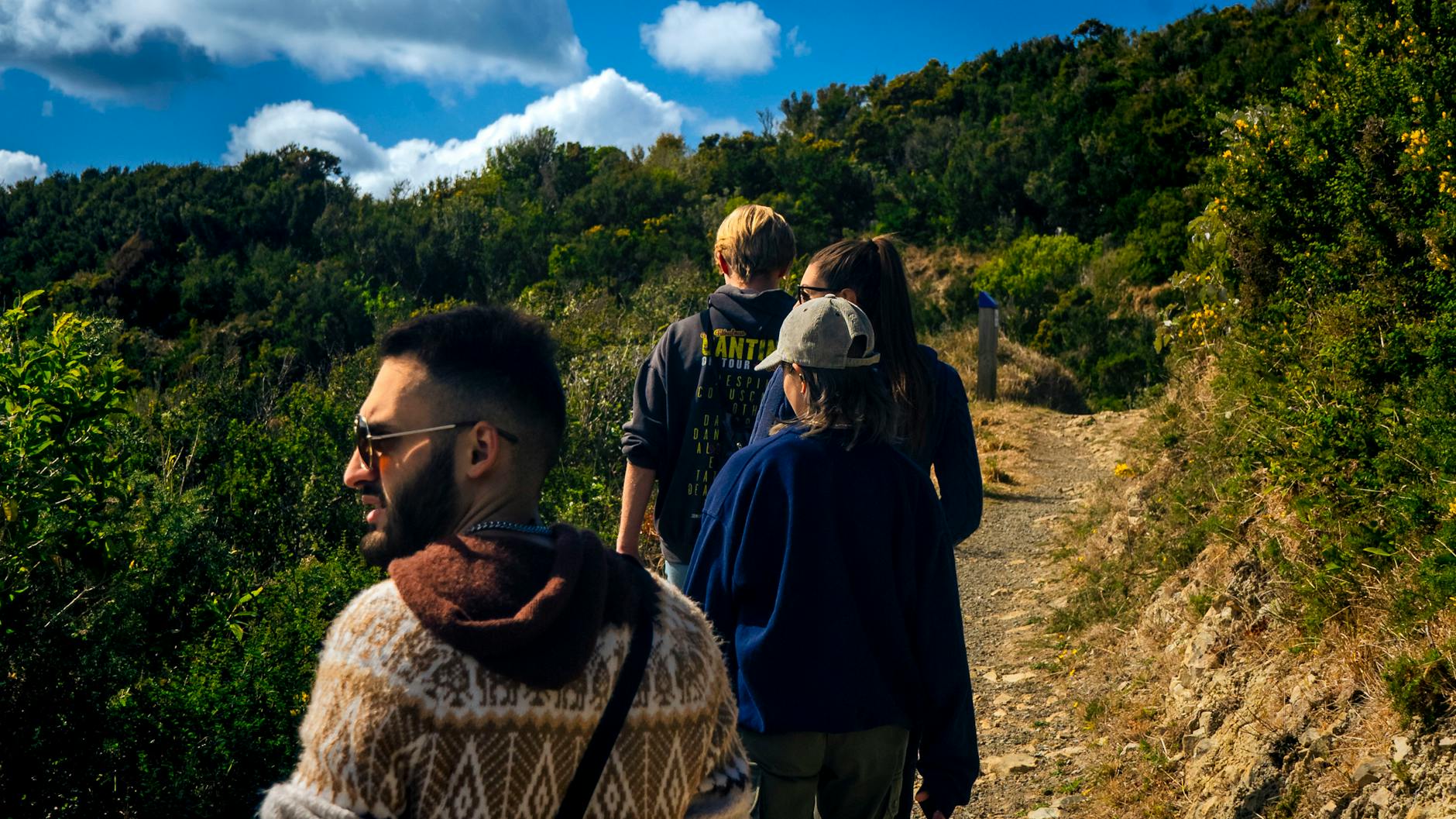
According to Department of Conservation, the Wellington region manages over 400 kilometres of walking tracks across various conservation areas, with maintenance priorities determined by visitor numbers and safety requirements. This systematic approach means that while the popular Makara Peak Mountain Bike Park continues to receive regular attention, tracks like the lesser-known Devil’s Punchbowl circuit may face extended periods between maintenance cycles.
The knock-on effects extend beyond simple inconvenience. Wellington’s hiking culture has long thrived on the accessibility of diverse terrain within striking distance of the city centre. Office workers can realistically tackle the Red Rocks coastal walk during extended lunch breaks, while weekend warriors have their pick of everything from the challenging Mount Matthews track to gentle riverside strolls through Hutt River Trail. This variety has made Wellington particularly attractive to outdoor enthusiasts who might otherwise consider relocating to places like Queenstown or Nelson for better trail access.
What’s particularly concerning is the timing. Wellington’s hiking community has been experiencing something of a renaissance since 2024, with younger demographics embracing weekend tramping as both fitness routine and social activity. Social media groups dedicated to Wellington walks have seen membership surge, and gear shops report strong sales of hiking boots and daypacks. The prospect of reduced trail access comes just as demand reaches new peaks.
The situation mirrors challenges faced by other New Zealand regions in recent years. Canterbury’s backcountry tracks experienced similar maintenance deferrals following the 2019 budget reviews, resulting in several temporary closures that became effectively permanent. Auckland’s Waitakere Ranges offers another cautionary tale, where kauri dieback restrictions combined with funding constraints have significantly reduced accessible hiking options.
Local hiking advocates aren’t taking the situation passively. The Wellington Tramping and Mountaineering Club has initiated volunteer maintenance programmes for several at-risk tracks, while regional councillors face growing pressure to allocate additional resources toward trail maintenance. These grassroots efforts show promise, but they can’t replace the systematic maintenance that keeps trails safe for the broader public.
For Wellington hikers planning their upcoming adventures, the message is clear: enjoy the full network while you can. Tracks that require stream crossings or traverse unstable terrain may face seasonal restrictions that weren’t necessary when maintenance crews could respond quickly to weather damage. The Orongorongo River Track, popular for its swimming holes and relatively easy access, exemplifies this vulnerability. Recent flooding damaged several bridge approaches, and repairs may be deferred until the next budget cycle.
The broader implications stretch beyond weekend recreation. Wellington’s reputation as a liveable city partly rests on the proximity of quality outdoor experiences. Corporate relocations and talent retention often factor in lifestyle amenities, and accessible hiking trails rank highly among professionals choosing between urban centres. If Wellington’s trail network contracts while cities like Christchurch and Hamilton expand their recreational infrastructure, the capital may find itself at a competitive disadvantage.
Smart hikers are already adapting their approach. Many are exploring tracks they’ve previously overlooked, reasoning that familiar favourites may become less reliable. Others are joining organised tramping groups that can tackle more challenging terrain requiring group safety protocols. The irony is that budget constraints designed to reduce costs may actually increase them if reduced trail access pushes more hikers toward activities requiring rescue services.
The next few months will prove crucial for Wellington’s hiking landscape. Winter typically brings the most challenging maintenance conditions, and tracks that enter the cold season with existing damage often emerge in spring requiring major repairs rather than routine upkeep. For a city that’s long prided itself on offering world-class outdoor access within urban boundaries, the stakes couldn’t be higher.