Wellington Adventure Tourism Operators Face New Safety Requirements – What Tours & Activities Need to Know
Wellington’s adventure tourism operators are scrambling to meet new safety certification requirements that came into effect this month, with kayaking, hiking, and climbing tour companies facing stricter standards for guide qualifications and equipment checks.
What exactly is changing for Wellington’s adventure tourism operators?
Impact on Wellington Adventure Tourism
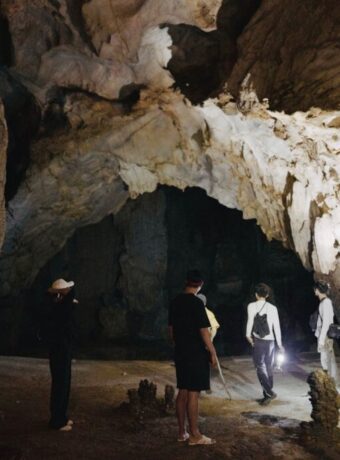
The Adventure Activities Regulations have been significantly tightened following a comprehensive review by WorkSafe New Zealand. Wellington operators offering activities like harbour kayaking, Makara Beach coasteering, Mount Victoria night walks, and Red Rocks seal tours now need enhanced safety management systems, upgraded first aid training, and more frequent equipment inspections. The changes affect everything from the popular Wellington Harbour kayak tours to the growing number of e-bike adventure companies operating around the bays.
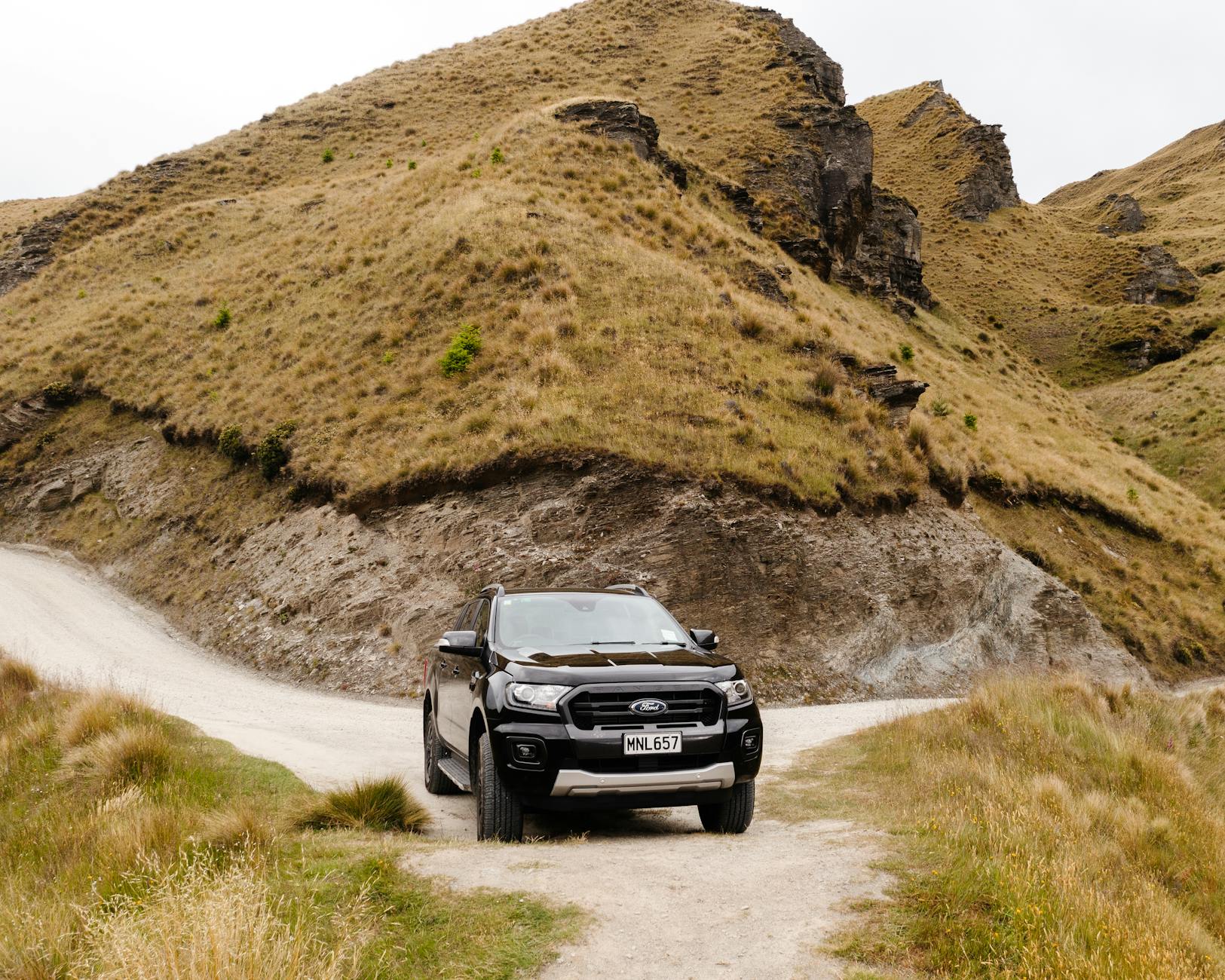
What makes this particularly challenging is that many smaller Wellington operators built their businesses around flexibility and quick response to weather windows. Now they’re dealing with paperwork trails, mandatory risk assessments for every route variation, and certification processes that can take weeks rather than days.
Why are these safety requirements being implemented now?
The timing stems from a concerning uptick in adventure tourism incidents nationwide, with three serious accidents in the Wellington region alone over the past 18 months. A kayaking incident near Matiu/Somes Island last summer and a climbing accident at the Wellington waterfront climbing walls prompted WorkSafe to fast-track these changes. According to WorkSafe New Zealand, the review found that 40% of adventure activity operators had inadequate emergency response procedures.
The regulatory pressure also comes as Wellington’s adventure tourism sector has exploded post-pandemic, with visitor numbers to activities like the Wellington Harbour Bridge climbing experience and Zealandia night tours reaching record highs. More participants means higher risk exposure, and WorkSafe decided it was better to act preventively rather than reactively.
Which Wellington operators are most affected by these changes?
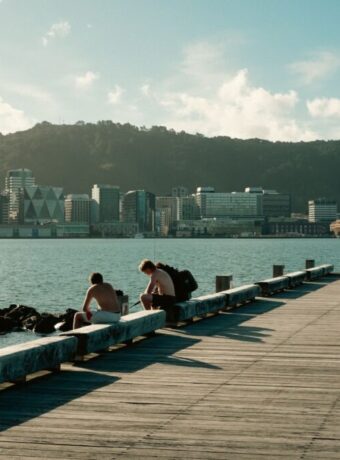
Harbour-based operators are feeling the biggest impact. Companies running kayak tours around Oriental Bay, stand-up paddleboarding at Evans Bay, and sailing experiences from Chaffers Marina all need comprehensive safety management plans. The popular Wellington Movie Tours and walking tour companies operating after dark also face new requirements around emergency communications and group management protocols.
Smaller operators are particularly stretched. While Zealandia and other major attractions have dedicated safety teams, the one or two-person operations offering specialized experiences like urban beekeeping tours or craft brewery bike rides are finding the compliance burden significant. Several operators we’ve spoken to estimate they’re spending 15-20 hours per week just on safety documentation and training updates.
How are Wellington businesses responding to the increased compliance costs?
Most operators are passing at least some costs onto customers, with tour prices rising between 8-15% across the sector. Wellington Kayak Network, which runs harbour tours from multiple launch points, has had to reduce their group sizes and hire additional qualified guides, pushing their half-day tour price from $89 to $102. Some smaller operators are considering whether certain tours remain economically viable.
However, there’s also been innovation. Several Wellington adventure companies have formed a cooperative arrangement to share safety training costs and equipment inspections. Three harbour kayak operators are now using the same certified safety assessor and splitting the annual audit fees, making compliance more manageable for all involved.
What does this mean for visitors wanting to book adventure activities in Wellington?
For tourists and locals looking to book tours and activities, the changes should ultimately mean safer, more professional experiences. However, there will likely be less spontaneity – many operators now require 48-hour advance bookings to complete risk assessments and weather evaluations. The days of turning up at Oriental Bay and immediately joining a kayak tour are largely over.
Prices have definitely increased, but most operators are using this as an opportunity to enhance their offerings. Wellington Harbour Sailing now includes a comprehensive safety briefing and emergency communications device with every trip, while the Mount Victoria walking tour companies have upgraded their first aid capabilities and emergency lighting systems.
Are there concerns about smaller operators being forced out of the market?
This is where the criticism gets pointed. Wellington’s adventure tourism scene has always thrived on diversity – from the quirky ghost walks through the old Government Buildings to the specialized photography tours of street art in the laneways. The fear is that compliance costs will favor larger operators with economies of scale, potentially homogenizing what’s currently a vibrant, varied sector.
Three small Wellington tour operators have already ceased operations since the requirements came into effect, citing unsustainable compliance costs. These weren’t fly-by-night operations – they included a well-regarded urban foraging tour that had been running for eight years and a popular architecture walking tour. The irony is that these were arguably among the safest activities in the city.
What happens next for Wellington’s adventure tourism sector?
The next six months will be telling. WorkSafe has indicated they’ll be conducting spot audits of adventure tourism operators throughout the Wellington region, with particular focus on harbour-based activities and night tours. Operators who aren’t compliant face significant fines and potential closure.
However, there’s also talk of the industry organizing better. Tourism Industry Aotearoa is working on group insurance schemes and shared compliance resources specifically for smaller adventure tourism operators. If successful, this could help level the playing field and ensure Wellington maintains its reputation for diverse, accessible adventure experiences alongside improved safety standards.