Wellington’s Dark Tourism Boom: New Ghost Tours Capitalize on City’s Haunted History
Wellington’s tours and activities sector is experiencing a supernatural surge with three new ghost tour operators launching this month, capitalizing on the capital’s reputation as New Zealand’s most haunted city. The timing coincides with growing international demand for dark tourism experiences that explore macabre histories and paranormal hotspots.
The capital’s cobblestone laneways and Victorian architecture have always whispered tales of the past, but now they’re shouting them through megaphones to paying customers. Wellington Ghost Walks, Paranormal Petone, and Haunted Harbour Tours have all launched within weeks of each other, marking the most significant expansion in the city’s dark tourism offerings since the original Wellington Walks began incorporating ghost stories into their regular programming five years ago.
Ghost Tour Market Snapshot
What’s driving this sudden interest in the supernatural side of Sightseeing isn’t just local entrepreneurship — it’s cold hard economics. According to Reuters, the finding showed that dark tourism globally has grown by 47% over the past three years, with English-speaking destinations like New Zealand particularly well-positioned to capture this market.
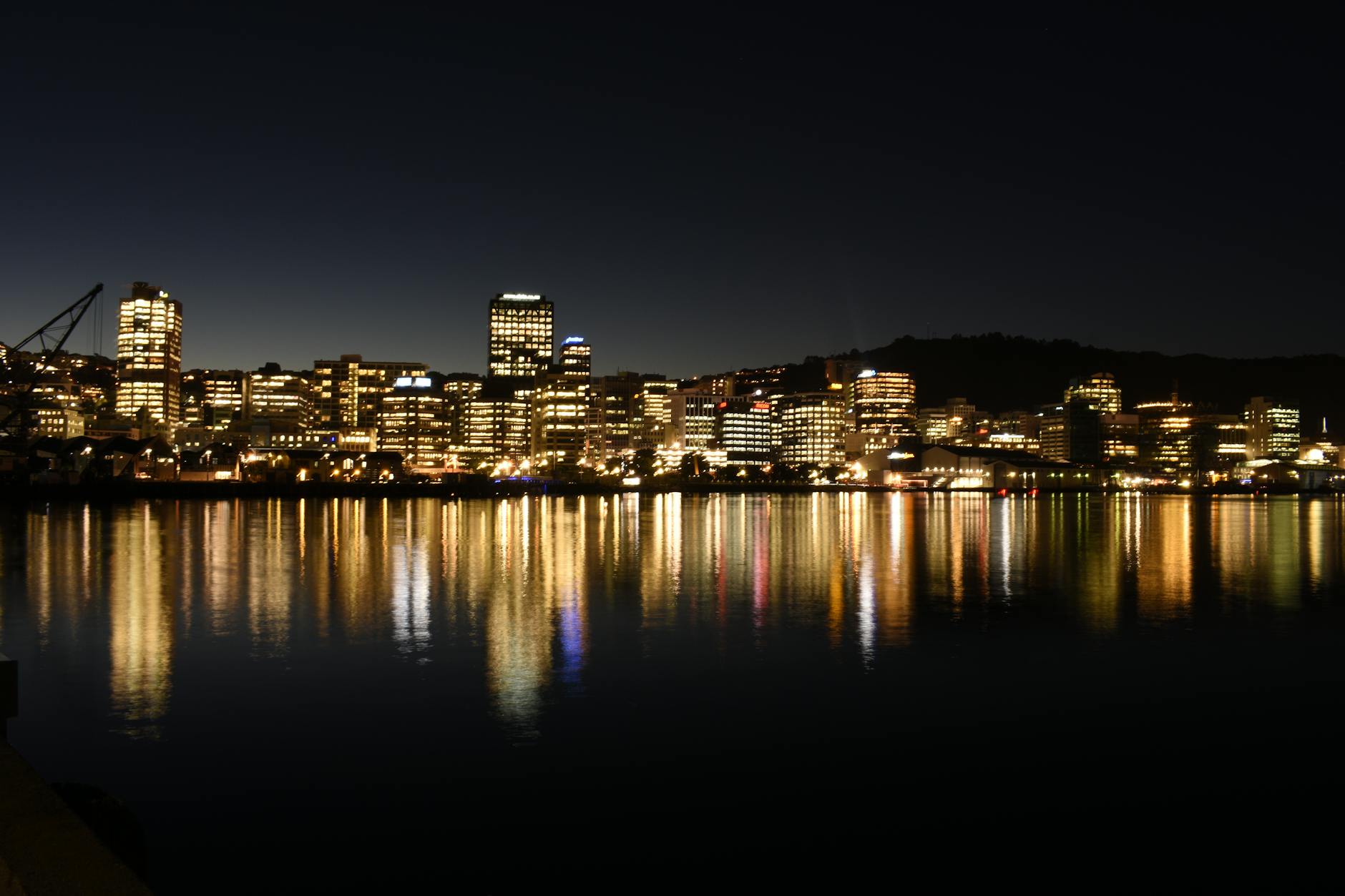
The timing couldn’t be better for Wellington’s tour operators, who’ve been rebuilding their customer base after the pandemic decimated the industry. These new ghost tours are cleverly targeting both domestic tourists looking for weekend activities and international visitors seeking authentic local experiences that go beyond the usual parliament building visits and cable car rides.
Wellington Ghost Walks, launched by former museum guide Sarah Chen, promises to reveal the “untold stories lurking in Cuba Street’s shadows.” Her two-hour evening tours weave together historical research with local legends, taking groups through the city’s most reputedly haunted locations including the Old Government Building, Terrace Cemetery, and the notorious Hannah Playhouse.
The approach mirrors successful dark tourism models in cities like Edinburgh and Savannah, but Chen insists Wellington’s stories are uniquely compelling. “We’re not manufacturing ghost stories for tourists,” she explains. “This city has genuine paranormal history — from the 1848 earthquake victims still said to roam Thorndon to the colonial-era hangings that took place where the Supreme Court now stands.”
Paranormal Petone takes a different tack, focusing on the psychological thriller aspect rather than traditional ghost storytelling. Their “Hutt Valley Horror History” tours explore genuine crime scenes and mysterious disappearances, including the still-unsolved case of the vanishing tramway worker from 1923 and the peculiar incidents at the old Gear Meat Works.
The business model makes sense from multiple angles. These tours command premium prices — typically $45-65 per person compared to $25-35 for standard city walks — while operating during evening hours when other attractions are closed. They also create year-round revenue streams that aren’t dependent on Wellington’s notoriously unpredictable weather.
However, the rapid expansion raises questions about market saturation and quality control. Wellington’s compact CBD can only accommodate so many groups wandering around with flashlights before the novelty wears thin for both participants and residents. There’s also the risk of sensationalizing tragic historical events purely for entertainment value.
The success of similar ventures elsewhere suggests there’s appetite for this type of experience, but Wellington’s market dynamics are different. The city’s relatively small population means these operators will be heavily dependent on tourist traffic, which remains volatile compared to pre-2020 levels. Auckland’s brief foray into ghost tours in 2019 ended quietly when visitor numbers couldn’t sustain multiple operators.
Local hospitality businesses are cautiously optimistic about the ghost tour boom. Cuba Street bars and late-night eateries see potential for post-tour customers, while accommodation providers hope the evening activities will encourage longer stays. The challenge will be maintaining quality standards as competition intensifies.
The Wellington City Council has taken a hands-off approach so far, requiring only standard tour operator permits and noise compliance. This light-touch regulation contrasts with cities like Prague or New Orleans, where authorities have imposed restrictions on ghost tour frequencies and locations due to resident complaints.
For now, Wellington’s supernatural tourism experiment appears to be thriving. Advance bookings for weekend tours are already strong heading into winter, traditionally the slow season for most outdoor activities. The key test will be whether these operators can maintain their novelty factor and build sustainable businesses beyond the initial curiosity surge.
The real question isn’t whether Wellington has enough ghosts to support this many tour operators — it’s whether it has enough living customers to keep them all in business long-term.