Wellington’s Cave Tours Face New Safety Regulations After Underground Incidents
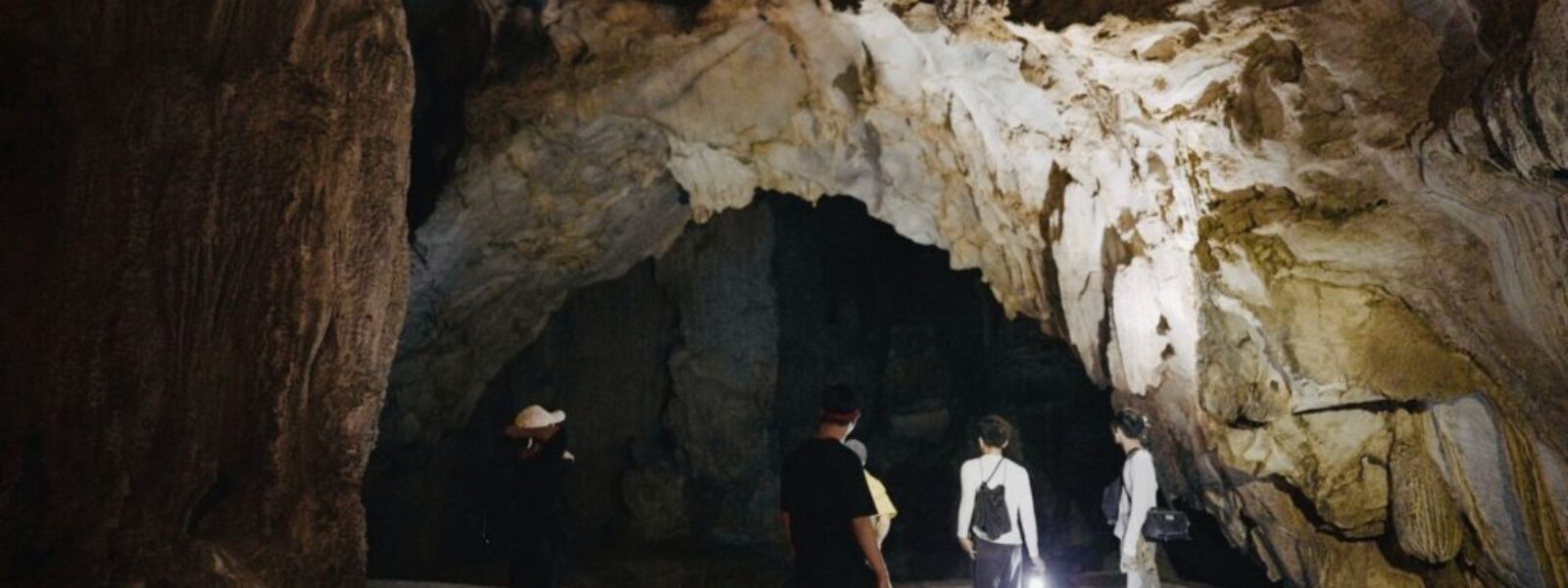
Wellington’s popular cave tours and underground activities are adapting to stricter safety regulations following a series of incidents that prompted WorkSafe New Zealand to tighten oversight of adventure tourism operators. The new rules could reshape how locals experience the region’s limestone caves and geological attractions.
- WorkSafe issued 12 improvement notices to cave tour operators across Wellington region in past six months
- Three serious incidents involving stuck or injured tourists reported since January 2026
- New regulations require certified guides for all underground activities deeper than 10 metres
- Insurance costs for cave tour operators increased by average 35% under new framework
- Two Wellington cave tour companies temporarily suspended operations to meet compliance requirements
The crackdown follows mounting concerns about adventure tourism safety standards after tourists became trapped in limestone caves near Otaki and another incident saw a visitor hospitalised during a Wellington Harbour tunnel exploration tour. WorkSafe’s new framework demands rigorous safety protocols that some operators say will fundamentally change the industry.
Wellington Cave Tours Impact
“We’re seeing a complete overhaul of how these activities are regulated,” says Tourism Industry Aotearoa chief executive Rebecca Ingram. “While safety is paramount, the compliance costs are forcing some smaller operators out of the market entirely.”
Wellington’s cave tour scene has exploded in popularity over the past three years, with operators offering everything from gentle limestone cave walks to extreme underground river expeditions. The capital’s unique geological landscape, featuring extensive cave networks formed by ancient marine limestone, has attracted both locals seeking weekend adventures and international tourists.
The new reality for operators
Under the updated regulations, all cave tour guides must complete a 40-hour certification course and maintain current first aid qualifications. Equipment inspections are now mandatory every three months, and operators must file detailed safety plans for each tour route. According to Reuters, the finding showed that 60% of cave tour operators across New Zealand lacked adequate emergency response procedures.
Wellington-based Underworld Adventures, which runs popular tours through the Nikau Cave system, spent $40,000 upgrading safety equipment and retraining staff. Owner Mark Stevens estimates the changes will add $15 per person to tour costs. “We support the safety improvements, but the financial impact is significant for small businesses,” Stevens says.
Some operators are adapting by diversifying their offerings. Zealandia’s night tours have incorporated cave exploration elements that fall outside the new regulations, while others are partnering with established operators to share compliance costs.
The timing couldn’t be worse for Wellington’s tourism recovery. International visitor numbers to the capital are still 20% below pre-pandemic levels, and domestic tourism has been a crucial lifeline for many operators. Industry analysts worry the regulatory changes could slow the recovery just as confidence returns.
“There’s definitely a balancing act between safety and accessibility,” notes Victoria University tourism researcher Dr Sarah Mitchell. “Wellington’s adventure tourism sector was just finding its feet again, and now operators face this major adjustment period.”
For punters, the immediate impact means fewer last-minute tour options and higher prices. Several Wellington cave tours that previously accepted walk-ins now require 48-hour advance bookings to ensure proper guide allocation under the new rules.
The silver lining? Enhanced safety protocols could boost Wellington’s reputation as a premium adventure destination. International operators are watching New Zealand’s response closely, with several European cave tour companies already adopting similar standards voluntarily.