
Restaurant Staff Shortages Hit Wellington: What the Crisis Means for Diners
Wellington’s restaurant scene is grappling with severe staff shortages as new immigration policies reduce the pool of overseas workers, forcing venues to cut trading hours, simplify menus, and in some cases, close temporarily.
What exactly is happening in Wellington’s restaurant scene?
Staff shortage impact
Across the capital, restaurants are struggling to maintain normal operations due to critical staff shortages. Popular eateries on Courtenay Place and Cuba Street are reducing their opening hours, with some closing on traditionally busy weeknights. Several high-profile venues have simplified their menus dramatically, while others have temporarily shuttered entire floors or dining areas because they simply don’t have enough hands on deck.
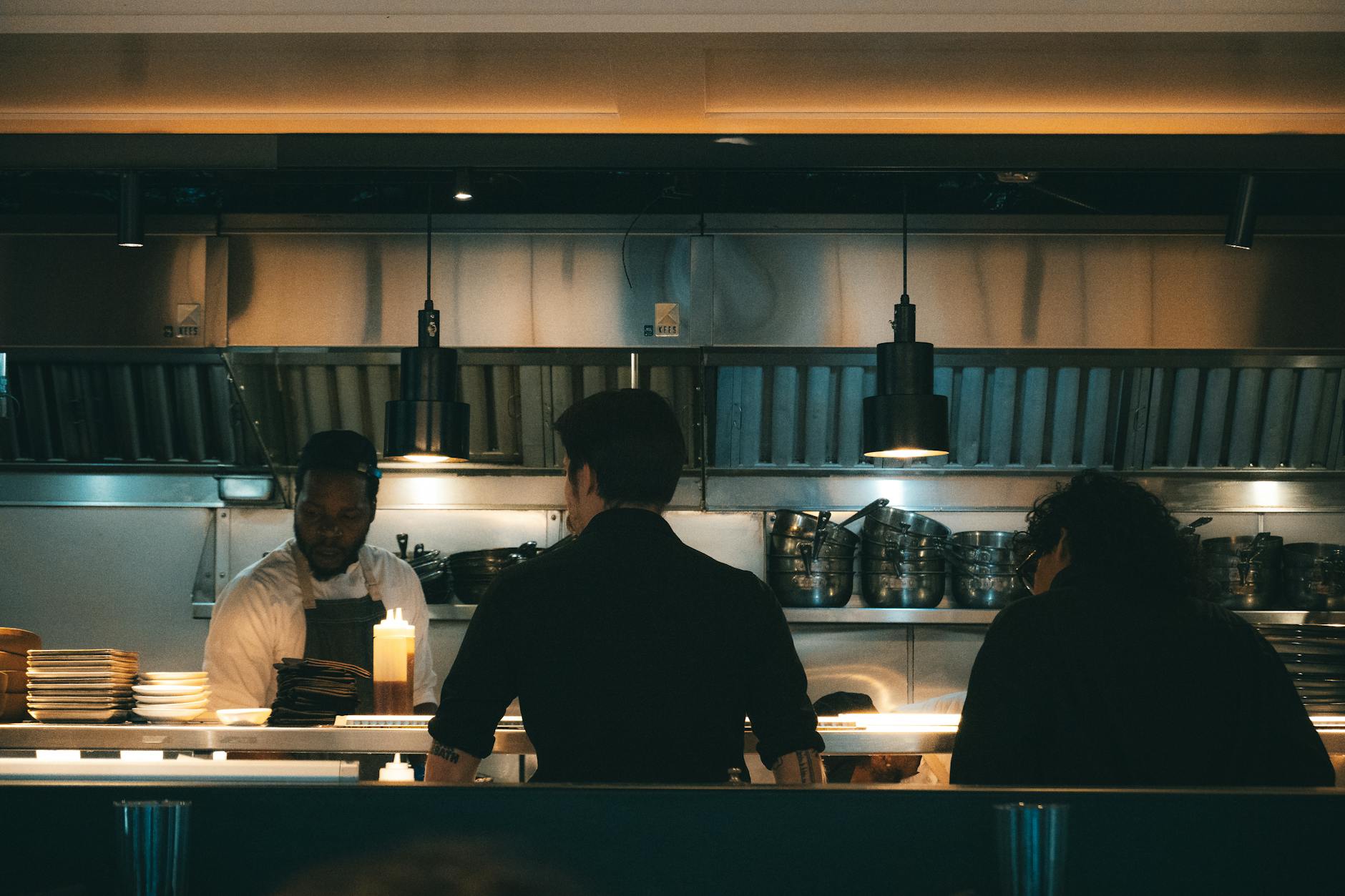
The situation has reached a tipping point where even well-established restaurants with loyal customer bases are turning away bookings. Weekend waits are stretching longer not because of increased demand, but because venues can’t serve customers fast enough with skeleton crews.
Why is this crisis hitting now?
The perfect storm began with changes to immigration settings that have dramatically reduced the number of overseas workers entering New Zealand’s hospitality sector. Where restaurants previously relied heavily on working holiday visa holders and skilled migrants to fill roles, these pathways have become increasingly restricted. The timing couldn’t be worse – many international workers who left during the pandemic simply haven’t returned.
Simultaneously, local workers who moved into other industries during COVID-19 aren’t coming back to hospitality at the rates operators expected. The combination of demanding hours, weekend work, and relatively modest pay has made restaurant roles less attractive compared to other sectors that have ramped up recruitment with better conditions.
Which types of restaurants are being hit hardest?
Fine dining establishments and mid-tier restaurants requiring experienced staff are feeling the pinch most severely. These venues need skilled chefs, experienced waitstaff, and sommeliers – roles that can’t easily be filled by inexperienced workers. According to Restaurant Association New Zealand, the sector is short approximately 15,000 workers nationwide, with skilled positions representing the largest gap.
Casual dining spots and cafes are also struggling, but they have more flexibility to adapt by simplifying operations or relying on counter service rather than table service. The venues in real trouble are those that built their reputation on providing a full-service dining experience – they can’t easily downgrade without damaging their brand.
How are Wellington diners being affected?
The immediate impact is longer wait times, reduced availability, and changes to your favourite restaurant’s offerings. That bistro you love might now only serve a three-course menu instead of their usual extensive selection. Popular spots are booking out weeks in advance rather than days, and walk-ins are becoming nearly impossible at peak times.
Service quality is also taking a hit as remaining staff work longer hours and cover multiple roles. Even the most dedicated teams are stretched thin, which means your dining experience might not match the standards these venues previously maintained. Some restaurants have started adding automatic service charges to help retain staff, meaning your bill might be higher than expected.
What does this mean for Wellington’s reputation as a dining destination?
This is where things get concerning for Wellington’s food scene, which has built a national reputation for punching above its weight. The capital’s dining culture has always been about diversity, quality, and accessibility – but all three are under threat when restaurants can’t operate at full capacity.
If the situation persists, we could see permanent closures of venues that have been Wellington institutions for years. The ripple effect extends beyond individual restaurants to the city’s overall appeal. Food tourism, weekend visitors from other centres, and even local dining habits could all shift if the experience consistently falls short of expectations.
Are there any solutions on the horizon?
Some restaurants are getting creative with technology, introducing QR code ordering and payment systems to reduce service staff requirements. Others are partnering with training institutions to fast-track apprenticeships and upskill local workers. A few forward-thinking venues have restructured their pay scales and working conditions to attract local talent away from other industries.
The government has signalled some flexibility around immigration settings for critical worker shortages, but changes take time to flow through. Industry bodies are pushing for faster processing of work visas and expanded pathways for hospitality workers, but these policy adjustments won’t provide immediate relief.
What should Wellington diners expect in the coming months?
Realistically, this isn’t a problem that will resolve quickly. Expect the current constraints to persist through winter and into spring as restaurants adapt to their new reality. The venues that survive will likely be those that successfully pivot their operations or find innovative ways to deliver great experiences with fewer staff.
For diners, this means being more flexible with bookings, patient with service, and perhaps exploring some of the smaller, owner-operator venues that are less dependent on large teams. The silver lining might be discovering some hidden gems that have always operated lean and efficient.