7 Things You Need to Know About New Zealand’s Tourism Recovery Boom
New Zealand’s tourism sector is experiencing its strongest recovery since the pandemic, with international visitor arrivals surging 140% year-on-year and Wellington’s tours and activities operators reporting record bookings. The boom is reshaping how locals experience their own city as competition for popular attractions intensifies.
After years of quiet streets and empty tour buses, Wellington is buzzing again. International visitors are flooding back, cruise ships are docking weekly, and every weekend feels like peak season. But this tourism renaissance comes with complications that every Wellingtonian should understand.
Tourism Recovery at a Glance
1. Cruise Ship Arrivals Are Breaking Records
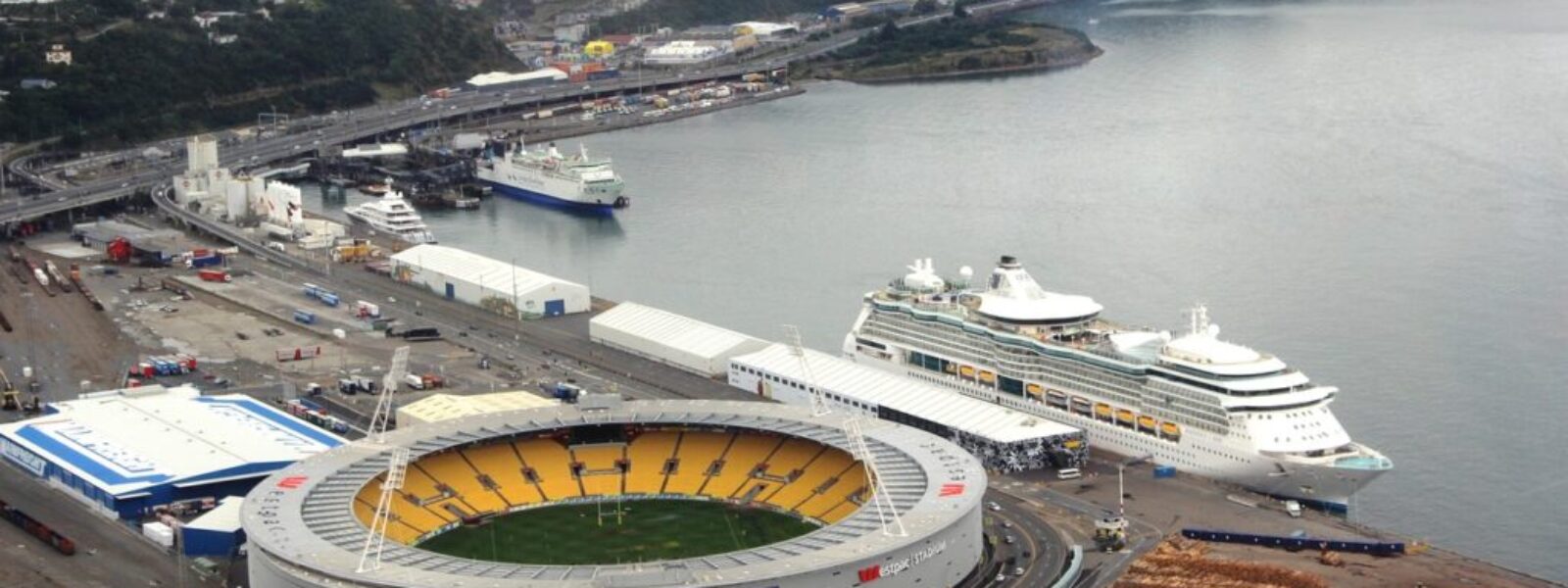
Wellington’s cruise terminal is handling more ships than ever before, with 89 vessels scheduled for this season compared to just 12 in 2023. Each ship brings 2,000-4,000 passengers who descend on the city for 8-12 hours, creating massive demand spikes for tours and activities.
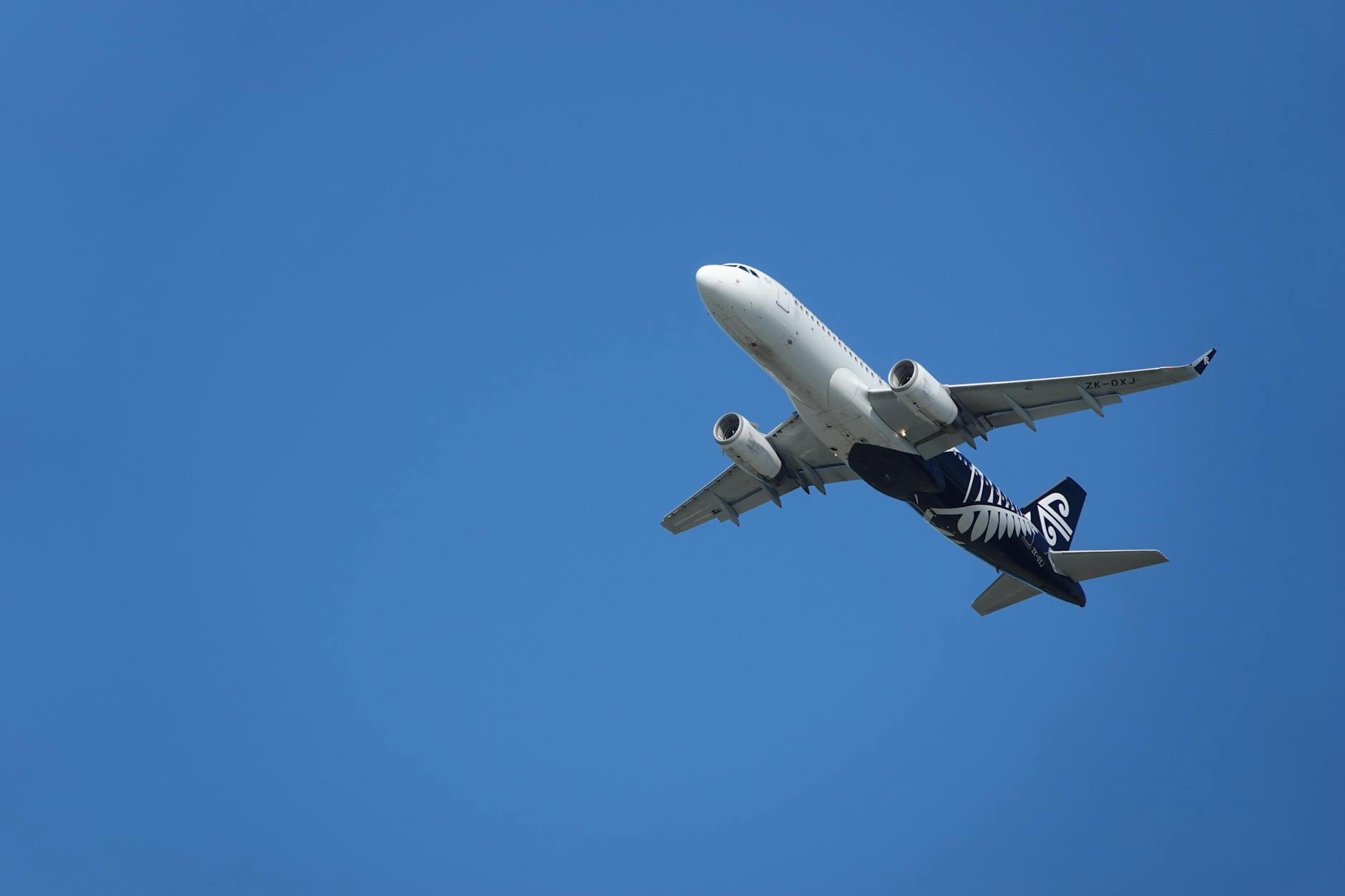
The ripple effect is immediate and intense. Popular attractions like Te Papa and the Cable Car experience queues not seen since 2019, while walking tours and harbour cruises sell out weeks in advance. For locals planning weekend activities, this means booking ahead has become essential rather than optional.
The economic boost is undeniable, but the infrastructure strain is real. Expect crowded streets around the waterfront on cruise days, particularly between Civic Square and Oriental Bay.
2. Tour Operators Can’t Keep Up With Demand
Wellington’s tour operators are scrambling to rebuild capacity after downsizing during the pandemic years. Many guides left the industry entirely, and replacing them isn’t straightforward given the specialized knowledge required for quality experiences.
According to Reuters, the finding showed that 40% of New Zealand’s tourism businesses are operating below pre-pandemic staffing levels despite visitor numbers approaching 2019 figures. This mismatch is driving up prices and reducing availability for popular experiences.
The result? Wellington’s best tours are commanding premium prices and booking out faster than ever. That spontaneous weekend harbour cruise or craft beer tour increasingly requires advance planning.
3. Local Experiences Are Getting Crowded Out
The tourism boom is pricing locals out of their own experiences. Popular activities like scenic flights over the harbour, wine tours to the Wairarapa, and even some restaurant experiences are prioritizing higher-paying international visitors.
Weekend bookings at attractions that were once reliably available for locals are now dominated by tour groups and cruise passengers. The Zealandia sanctuary, Wellington’s cable car, and even some of the better brewery tours are consistently full during peak times.
This mirrors what happened in Queenstown pre-pandemic, where locals found themselves shut out of activities in their own backyard. The question is whether Wellington will learn from that experience or repeat it.
4. New Operators Are Rushing Into the Market
The profit potential has attracted a wave of new tour operators, many offering experiences that didn’t exist before the pandemic. Food truck tours, Instagram-focused photography walks, and niche experiences like “coffee culture tours” are proliferating rapidly.
While this creates more options, quality varies dramatically. Some new operators lack the local knowledge and safety standards that established companies maintain. The regulatory framework hasn’t kept pace with the rapid expansion, leaving consumers to sort the wheat from the chaff.
For locals, this explosion of options is both opportunity and minefield. The gems exist, but they’re mixed in with hastily assembled operations trading on Wellington’s hot tourism market.
5. Pricing Has Shifted Dramatically Upward
Tour and activity prices in Wellington have increased by 30-50% since 2022, far outpacing general inflation. What used to be affordable weekend activities for locals have become premium experiences priced for international wallets.
A standard harbour cruise that cost $35 in 2022 now starts at $55. Walking tours have jumped from $25 to $40 per person. Wine tours to Martinborough that were $120 are now $180-200. The operators justify increases citing higher insurance, fuel, and wage costs, but the net effect is pricing out local participation.
This pricing shift fundamentally changes Wellington’s recreational landscape. Activities that families could afford as regular treats are becoming special occasion expenses.
6. Infrastructure Is Showing Strain
Wellington’s tourism infrastructure, designed for smaller visitor volumes, is creaking under the pressure. Parking around major attractions is impossible on busy days, public toilets are overwhelmed, and the city’s narrow streets struggle with increased tour bus traffic.
The situation is particularly acute around the waterfront and in Te Aro, where the concentration of attractions creates bottlenecks. Weekend visitors to the Wellington Museum or a stroll along Oriental Bay now encounter crowds that feel more like summer festival levels year-round.
Council infrastructure upgrades are years behind the tourism recovery curve, meaning these pressure points will likely worsen before they improve.
7. The Shoulder Season Has Disappeared
Wellington traditionally had quieter periods when locals could enjoy attractions without crowds and operators offered discounted rates. That seasonal rhythm has been flattened by the diversity of international visitors, cruise schedules, and the urgency of operators to maximize revenue after lean pandemic years.
What used to be quiet Tuesday mornings or mid-week opportunities for locals to explore their city are now as busy as weekend peaks. The year-round intensity means no natural breaks for infrastructure, staff, or local residents seeking to enjoy their own city’s attractions.
This trend suggests Wellington is transitioning from seasonal tourism to year-round pressure, fundamentally changing the city’s rhythm and requiring locals to adapt their expectations and planning accordingly.
The tourism boom represents Wellington’s economic recovery success, but it’s reshaping how residents interact with their own city. Smart locals are adapting by booking ahead, exploring off-peak times, and discovering new experiences before they become overwhelmed. The challenge ahead is managing growth so Wellington remains liveable for residents while capturing the economic benefits of its renewed global appeal.