Wellington’s Festival Scene Rebounds as Visitor Numbers Hit Pre-Pandemic Heights
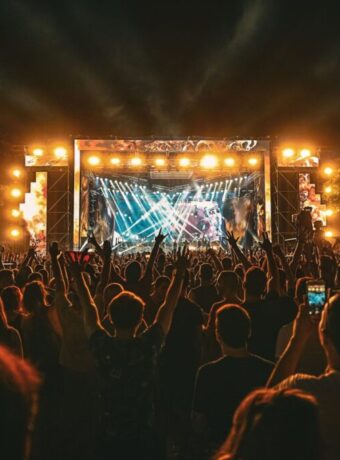
Wellington’s festival circuit has officially bounced back, with major events across the capital reporting visitor numbers that match or exceed pre-pandemic levels. The resurgence marks a turning point for the city’s cultural economy after years of uncertainty.
The numbers tell a compelling story of recovery. New Zealand Festival, Beervana, CubaDupa, and Wellington On A Plate have all reported attendance figures that rival their strongest years from 2018 and 2019. What’s particularly striking is the demographic shift — younger audiences are driving much of this growth, with festival organisers noting a surge in attendance from the 18-35 age bracket.
Festival Recovery by the Numbers
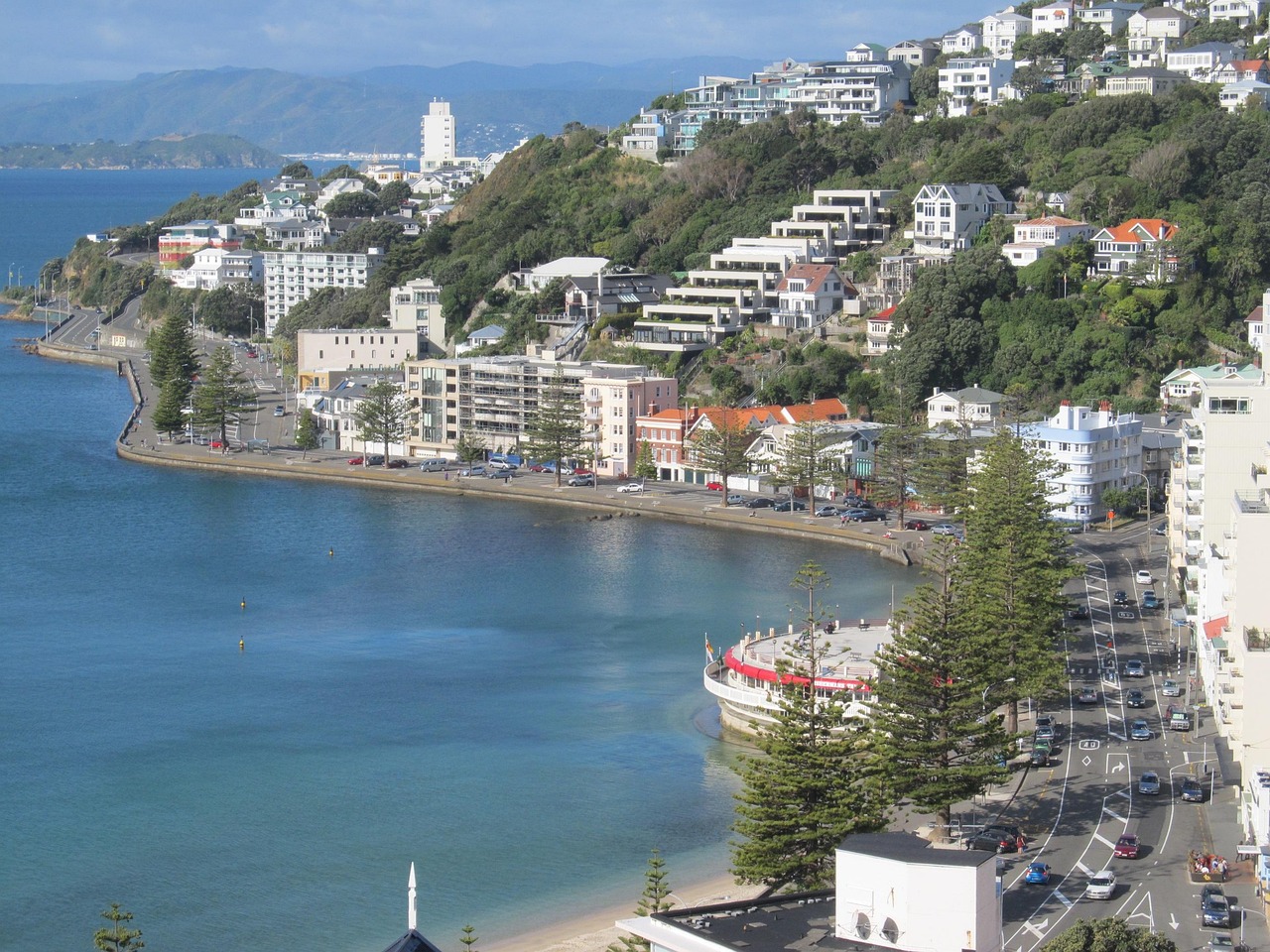
This resurgence comes at a crucial time for Wellington’s hospitality and tourism sectors, which have been rebuilding since border restrictions lifted. Festival-goers are staying longer, spending more on accommodation, and venturing beyond the main event venues to explore the city’s dining and bar scene. The ripple effect is being felt across Cuba Street, Courtenay Place, and the waterfront precinct.
However, the recovery hasn’t been without its challenges. Several smaller festivals that were staples of Wellington’s cultural calendar haven’t returned, casualties of the economic uncertainty that defined 2022 and 2023. The loss of these boutique events has created gaps in the city’s year-round programming, particularly during the quieter winter months when tourism traditionally dips.
According to Stats NZ, the finding showed Wellington’s accommodation sector recorded its highest occupancy rates during major festival periods since 2019, with commercial guest nights up 12 percent year-on-year. This data reinforces what many in the industry have been observing — people are not just attending festivals again, they’re making weekends of it.
The programming itself has evolved significantly. Festival directors have learned hard lessons about resilience and adaptability, with many events now incorporating more outdoor components and flexible venue arrangements. The success of CubaDupa’s expanded footprint along Cuba Street and the New Zealand Festival’s embrace of unconventional spaces like the old Dominion Post building demonstrate how organisers have rethought traditional festival formats.
International acts are returning too, though not without complications. Visa processing delays and increased touring costs mean festival budgets are under greater pressure than ever. Some organisers are responding by investing more heavily in local talent, which has had the unexpected benefit of showcasing Wellington’s thriving arts scene to visiting audiences.
The food and beverage component of festivals has become increasingly sophisticated. Wellington On A Plate’s recent iteration featured more pop-up collaborations and experimental dining formats than ever before, while Beervana has expanded beyond craft beer to embrace the city’s growing spirits and cocktail culture. These changes reflect broader shifts in Wellington’s hospitality landscape, where diners are seeking more adventurous and Instagram-worthy experiences.
Corporate sponsorship patterns have shifted dramatically. Technology companies and sustainable brands have largely replaced traditional banking and telecommunications sponsors, reflecting changing consumer values and corporate marketing strategies. This has influenced festival programming too, with more emphasis on sustainability initiatives and digital integration.
Looking ahead, the challenge will be maintaining this momentum through Wellington’s traditionally quieter months. Winter festivals like Matariki celebrations and the proposed Wellington Winter Festival could help address the seasonal dip, but these initiatives require significant investment and community buy-in.
The success also raises questions about infrastructure and capacity. Wellington’s public transport system, already strained during peak periods, faces increased pressure during major festivals. Council officials are exploring temporary transport solutions, including additional bus services and better coordination with rideshare operators.
Perhaps most importantly, the festival recovery has restored confidence in Wellington as a cultural destination. Tourism operators report increased inquiries about festival packages, and hotels are seeing more advance bookings tied to major events. This forward planning represents a return to the kind of cultural tourism that made Wellington a must-visit destination before the pandemic disrupted everything.
The real test will come with the next economic downturn or external shock. Festival organisers who’ve survived the past few years understand that resilience isn’t just about weathering crisis — it’s about building sustainable models that can adapt to changing circumstances while maintaining the creative energy that makes Wellington’s festival scene unique.