Wellington Festival Scene Faces Major Funding Cuts as Arts Council Restructures
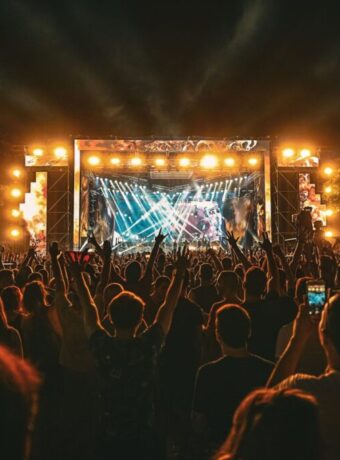
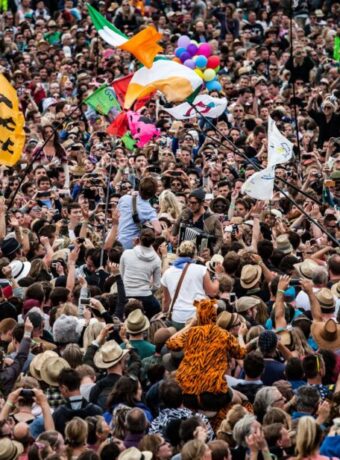
Wellington’s vibrant festival scene is bracing for significant changes as Creative New Zealand announces a major funding restructure that could see several established events fighting for survival. The ripple effects are already being felt across the capital’s arts calendar, with organisers scrambling to secure alternative backing.
1. The funding shake-up — Creative New Zealand’s decision to shift from multi-year festival funding to competitive annual grants has sent shockwaves through Wellington’s cultural sector. Previously reliable funding streams for events like the Wellington Jazz Festival, CubaDupa, and smaller community festivals are now uncertain. The restructure, announced in March, aims to “diversify support and encourage innovation” but has left established festivals wondering if they’ll still exist come 2027. This isn’t just bureaucratic reshuffling — it’s a fundamental change in how New Zealand supports its cultural events, and Wellington, as the arts capital, stands to lose the most.
Festival funding impact at a glance
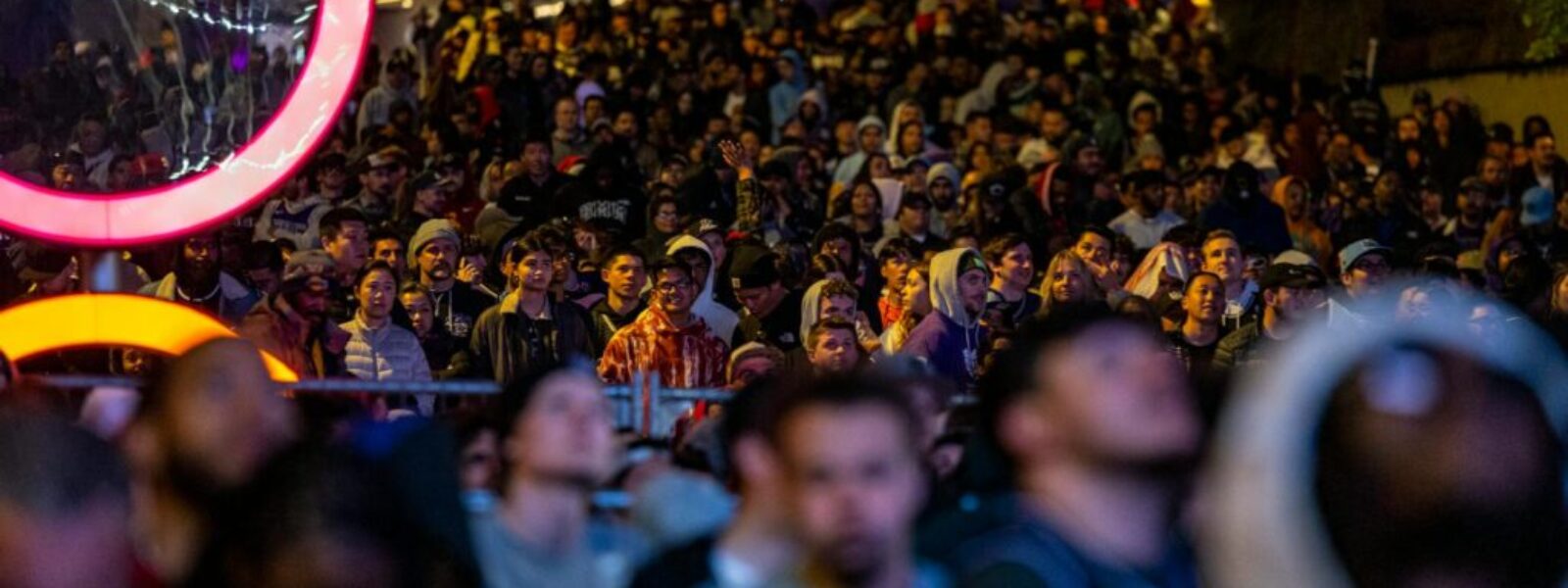
2. Festival organisers react — The immediate response from festival directors has been a mix of panic and pragmatic planning. Several high-profile events are already exploring corporate sponsorship deals and crowdfunding campaigns as backup options. The Wellington International Film Festival has announced it’s considering reducing its programme from three weeks to ten days, while the New Zealand Festival is reportedly in talks with Australian funders about potential co-productions. What’s particularly concerning is that smaller, community-focused festivals — the ones that give Wellington its grassroots cultural flavour — lack the resources to pivot quickly. These events, often run by volunteers with shoestring budgets, could simply disappear rather than navigate the new competitive landscape.
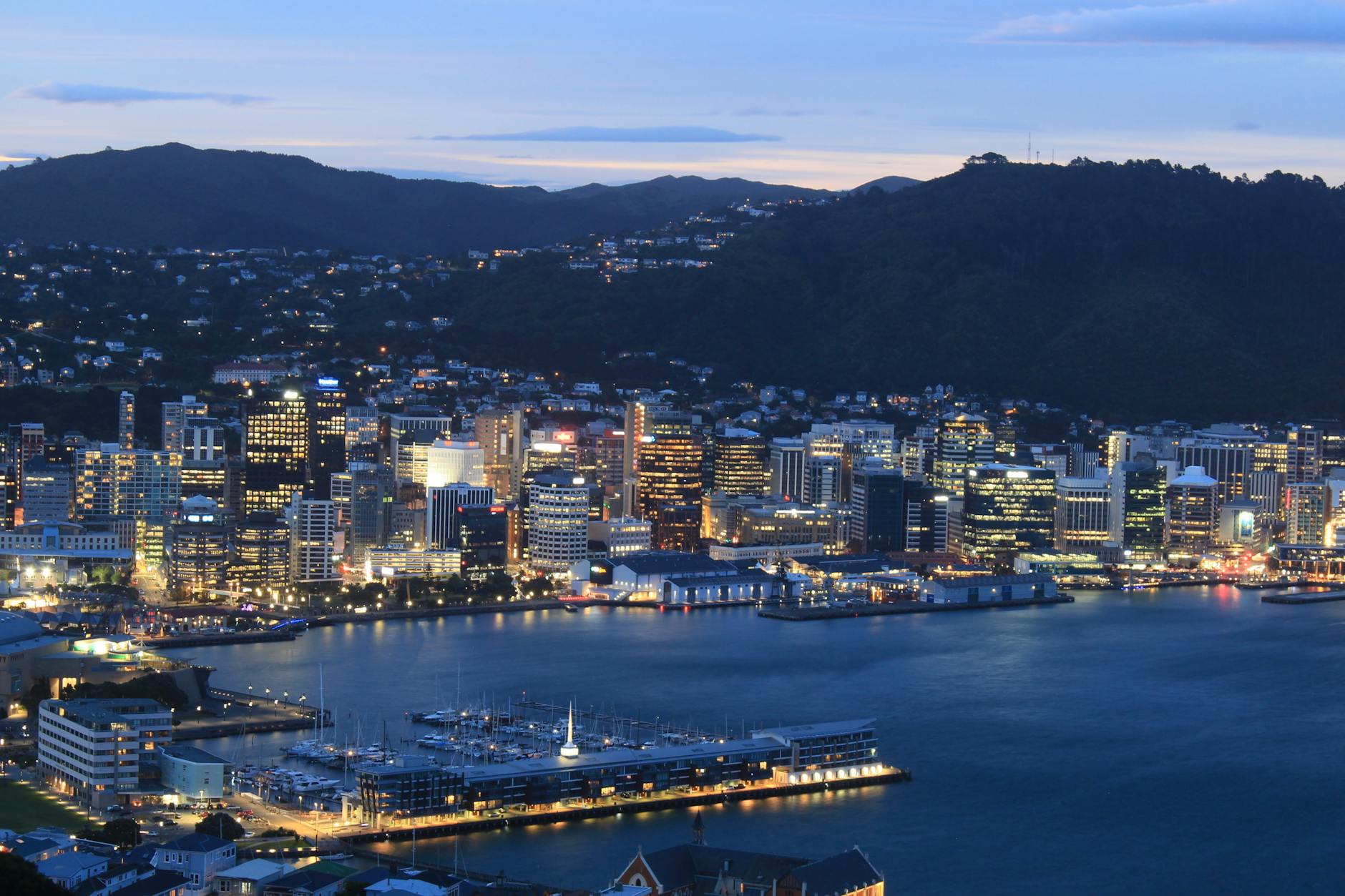
3. The numbers don’t lie — According to the Productivity Commission’s Creative Industries Report, the finding showed that festivals contributed $47 million annually to Wellington’s economy pre-pandemic, supporting over 800 full-time equivalent jobs. The flow-on effects extend beyond direct employment — festivals drive accommodation bookings, restaurant visits, and transport usage. When CubaDupa was cancelled in 2022 due to COVID restrictions, central Wellington businesses reported a 15% drop in weekend revenue during what should have been a peak trading period. Now, with funding uncertainty threatening multiple events simultaneously, the economic impact could be far more severe and long-lasting.
4. International comparisons — This funding model shift puts New Zealand increasingly out of step with how other developed nations support their festival sectors. Australia’s arts councils provide three to five-year funding cycles specifically to give festivals planning certainty. Edinburgh’s festival ecosystem thrives partly because of predictable government backing that allows organisers to book international acts and plan ambitious programmes years in advance. Meanwhile, Wellington’s festivals are being asked to compete annually for resources, making it nearly impossible to secure major international artists or plan integrated marketing campaigns. The irony is that just as Wellington is trying to rebuild its reputation as a cultural destination post-pandemic, it’s making the very events that define that reputation precarious.
5. The domino effect — The uncertainty isn’t just affecting individual festivals — it’s creating a cascade of problems across Wellington’s creative ecosystem. Venues that rely on festival bookings are already seeing gaps in their calendars for 2027. Sound and lighting companies, caterers, security firms, and other service providers are facing reduced work. Local musicians and performers who depend on festival gigs are looking at interstate opportunities instead. There’s also a brain drain risk — experienced festival producers and arts administrators may leave for more stable markets. Once that institutional knowledge is lost, rebuilding Wellington’s festival culture becomes exponentially harder.
6. Alternative pathways forward — Despite the challenges, some innovative solutions are emerging. Several festivals are exploring collaborative approaches, sharing resources and cross-promoting events to reduce individual costs. The concept of a “Wellington Festival Collective” — a umbrella organisation that could apply for larger grants and distribute resources strategically — is gaining traction among organisers. There’s also growing interest in hybrid public-private funding models, where council and government support is matched by corporate partnerships and community investment. Some festivals are considering subscription models, where supporters pay annual fees for priority booking and exclusive content. While these approaches require more work from organisers, they could create more resilient, diversified funding bases.
7. What Wellington stands to lose — The stakes extend beyond entertainment value. Wellington’s festival scene is integral to its identity as a creative, liveable city that attracts young professionals and tourists alike. These events showcase local talent, provide platforms for emerging artists, and create the cultural buzz that distinguishes Wellington from other regional centres. The risk isn’t just that some festivals might disappear — it’s that Wellington’s cultural calendar could become generic, dominated by safe, commercially-driven events rather than the experimental, community-focused festivals that have made the city’s arts scene distinctive. Given that many other New Zealand cities are investing heavily in their cultural offerings to attract residents and visitors, Wellington can’t afford to let its festival advantage slip away due to funding uncertainty.