New Zealand Festival Circuit Faces Major Shake-Up as Mega Events Squeeze Out Local Shows
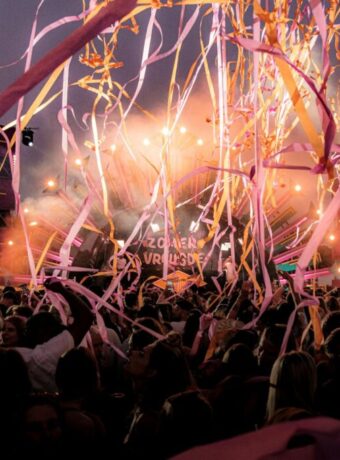
New Zealand’s festival landscape is undergoing a dramatic transformation as international mega-events secure premium venues and dates, leaving local promoters scrambling for alternatives. This shift threatens to create a two-tier system where grassroots festivals struggle to compete for audiences and resources.
What exactly is happening to New Zealand’s festival scene?
Festival Scene Pressure Points
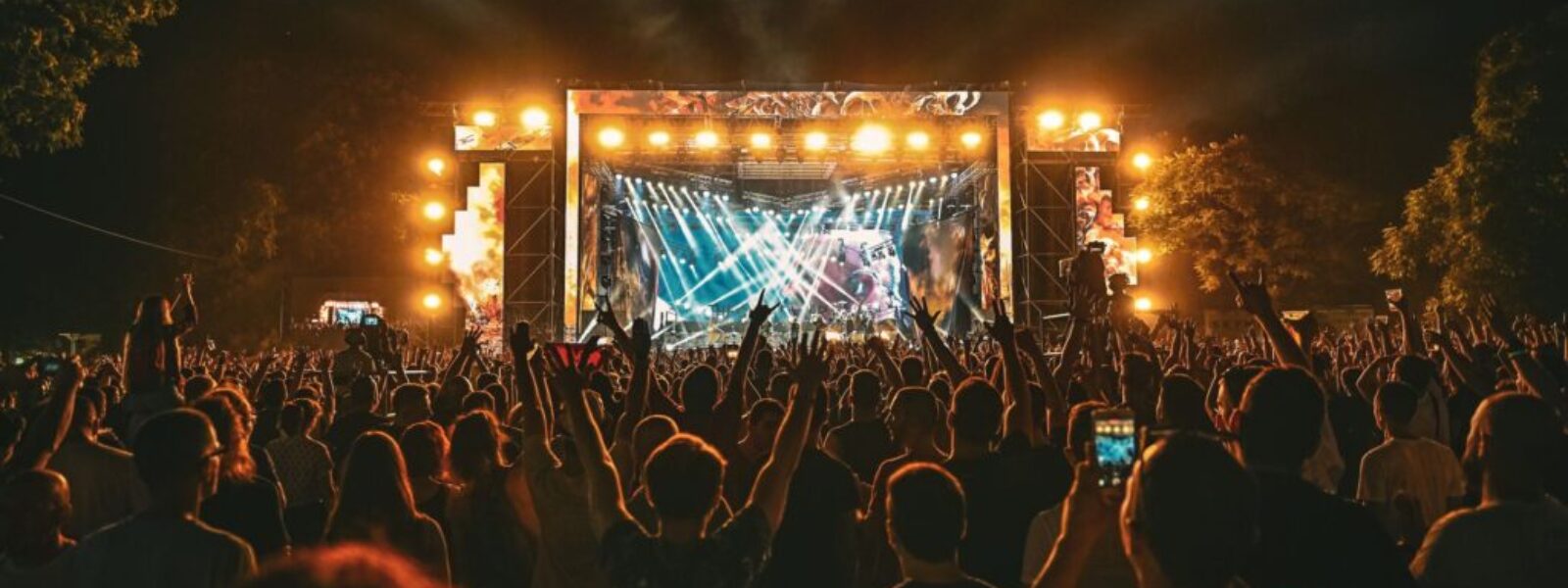
The festival calendar that once showcased a healthy mix of international acts and local talent is increasingly dominated by major overseas promoters bringing massive productions to New Zealand. These events command the best venues, prime summer dates, and significant marketing budgets that smaller local festivals simply can’t match. From Auckland’s Western Springs to Wellington’s Sky Stadium, premium outdoor spaces are being locked up months or even years in advance by international touring circuits.
Local festival promoters report that securing decent venues has become a nightmare, with many traditional festival sites now either unavailable or priced beyond reach. The ripple effect means homegrown events are being pushed to less desirable dates, smaller venues, or forced to relocate entirely. Some long-running festivals have already announced they’re taking breaks or scaling back significantly.
Why is this shift happening now?
The post-COVID reopening triggered a surge in international touring, with promoters keen to recoup pandemic losses through high-capacity events. New Zealand, with its strong dollar and eager audiences, became an attractive market for major festival brands looking to expand globally. At the same time, venue owners naturally gravitate toward guaranteed revenue from established international acts rather than taking risks on local promoters who might struggle to fill capacity.
The economics are brutal but simple: a international electronic music festival can guarantee 40,000 ticket sales and premium pricing, while a local indie festival might cap out at 8,000 attendees with lower ticket prices. Venue operators facing their own post-pandemic financial pressures are making predictable business decisions, even if it means squeezing out events that better reflect New Zealand’s unique musical identity.
Which festivals and regions are most affected?
Wellington’s festival scene has been hit particularly hard, with several boutique events struggling to secure their usual summer slots at venues like Waitangi Park and Frank Kitts Park. The capital’s compact geography means alternative sites are limited, forcing some promoters to consider moving events to the Hutt Valley or even further afield. Auckland faces similar pressures, though its larger pool of potential venues provides slightly more flexibility.
Regional festivals aren’t immune either. Popular summer destinations like Gisborne, Mount Maunganui, and Queenstown are seeing international events book their premier outdoor spaces years ahead, leaving local festivals to compete for scraps. According to Stats NZ, the tourism recovery has exceeded pre-COVID levels, intensifying competition for entertainment venues across all major centers.
What does this mean for New Zealand’s music industry?
The long-term implications for local artists and the broader music ecosystem are concerning. Festivals have traditionally served as crucial stepping stones for emerging New Zealand acts, providing exposure to larger audiences and opportunities to share stages with established artists. When local festivals disappear or scale back, these career-building opportunities vanish with them.
There’s also a cultural dimension at play. New Zealand festivals have historically celebrated the country’s unique musical identity, from reggae and dub to indie rock and electronic fusion. International mega-events, while entertaining, typically follow global formulas that don’t necessarily reflect or nurture local musical traditions. We’re potentially looking at a future where New Zealand audiences consume more international music culture while local scenes struggle for visibility.
How are local promoters adapting to survive?
Some savvy local promoters are pivoting their strategies entirely. Instead of competing head-to-head with international events for summer slots, they’re exploring winter festivals, indoor venues, or multi-venue city-wide events that don’t rely on single large outdoor spaces. Others are forming collectives to share costs and resources, or partnering with international promoters in junior roles to maintain some presence in the market.
A few are getting creative with timing, scheduling events during shoulder seasons when international touring is lighter. While this means smaller crowds and weather risks, it also offers the chance to build more intimate, community-focused experiences that large-scale international events can’t replicate. The most successful local festivals seem to be those doubling down on what makes them distinctively New Zealand rather than trying to compete on scale.
What should festival fans expect going forward?
Festival-goers can expect a more polarized landscape where big international events offer spectacular production values and global headline acts, while smaller local festivals provide more intimate, culturally authentic experiences. Ticket prices will likely increase across the board as both types of events compete for discretionary spending. The middle ground – medium-sized festivals featuring a mix of international and local acts – may become increasingly rare.
For Wellington specifically, this could mean fewer large-scale outdoor summer festivals but potentially more innovative indoor events, pop-up concerts, and venue-hopping experiences. Local festivals that survive will need to offer something genuinely different from the international circuit to justify their existence. The question is whether New Zealand audiences will continue supporting local events when flashier international alternatives are available.