Wellington Nightlife Hours: 7 Things You Need to Know About the New Laws
Wellington’s bar and club scene is undergoing its biggest shake-up in decades as new trading hour restrictions come into force this month. The changes promise to reshape how we party, where we drink, and when the city sleeps.
After months of consultation and heated debate, Wellington City Council’s revised alcohol licensing policy is now live. The new rules aim to reduce alcohol-related harm while balancing the needs of hospitality businesses still recovering from pandemic losses. But for punters planning their weekend nights out, the landscape looks very different.
Key changes at a glance
1. Last drinks now happen earlier across the board
The biggest change hits late-night venues hardest. Most bars and clubs in the central city must now stop serving alcohol at 2am on weekends, down from the previous 3am cutoff. On weeknights, the deadline moves to 1am instead of 2am.
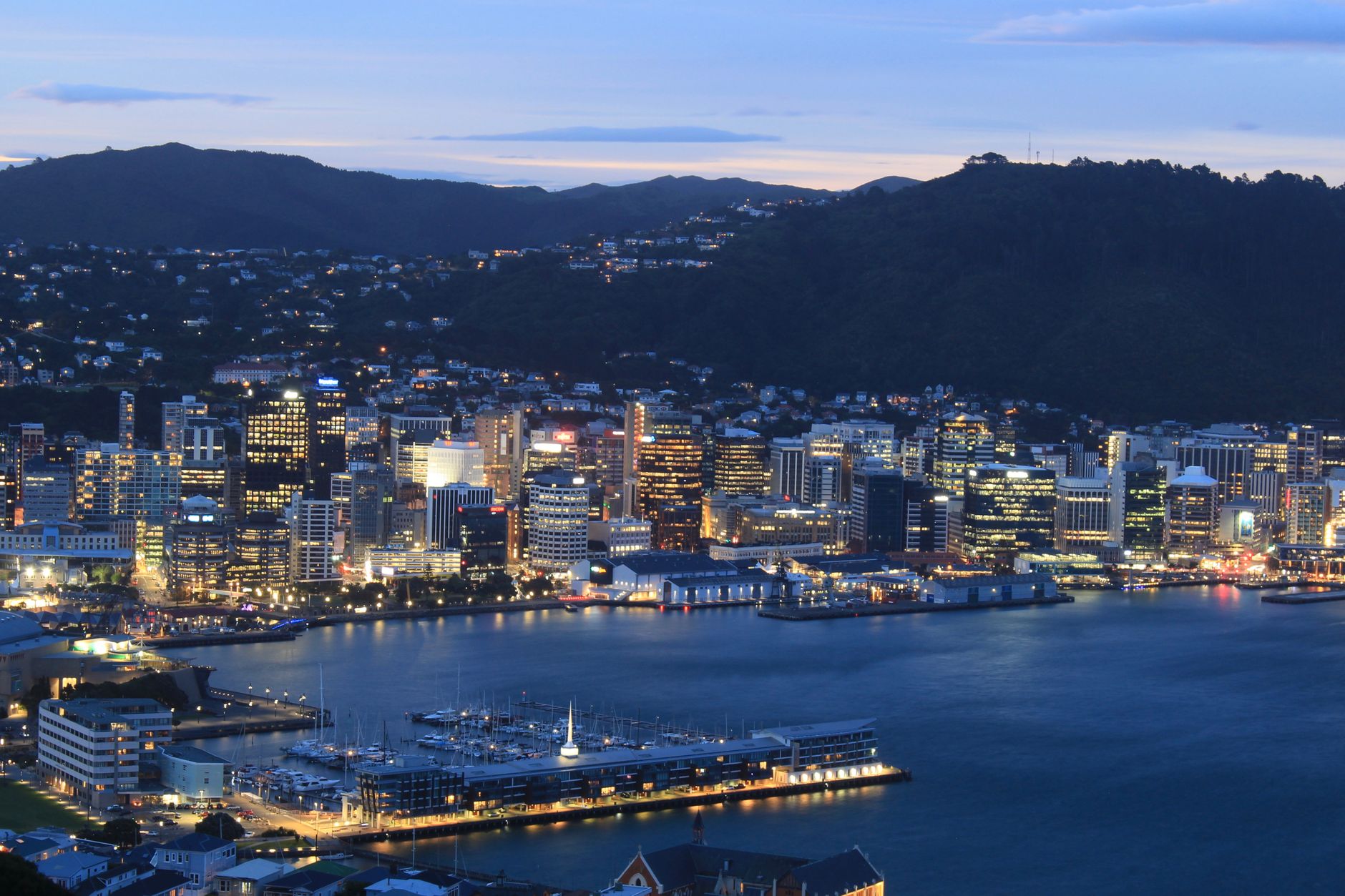
This affects everyone from Courtenay Place stalwarts to Cuba Street cocktail bars. The only exceptions are venues with existing late licenses that can prove exceptional circumstances — and those applications face much tougher scrutiny than before.
Expect the 1:30am rush to become Wellington’s new phenomenon, as crowds spill out earlier and hunt for late-night eats or head home while transport is still running.
2. One-way door policies start at midnight
Here’s the kicker that’ll change your night out strategy: most licensed premises now operate one-way doors from midnight on Fridays and Saturdays. Once you leave a bar after the witching hour, you can’t get back in.
This mirrors policies already working in Auckland and Christchurch, but Wellington’s implementation is stricter. The rule applies to all on-license venues in designated entertainment precincts, not just problem venues.
Bar hopping after midnight becomes impossible, so choose your final destination wisely. Smart operators are already adapting with extended happy hours and earlier entertainment to front-load the evening.
3. Bottle stores face weekend restrictions
Off-license retailers — your local bottle shops and supermarket liquor aisles — now stop selling alcohol at 9pm on Friday and Saturday nights, down from 11pm. Sunday trading remains unchanged at 9pm.
According to Alcohol.org.nz, the change aims to reduce pre-loading and impulsive late-night purchases that contribute to disorder.
Stock up earlier if you’re planning house parties or pre-drinks. The Friday evening rush at bottle shops will likely intensify as people adjust their shopping habits.
4. Special events get tighter oversight
Temporary licenses for festivals, markets, and special events now face much stricter approval criteria. Organisers must demonstrate robust harm minimisation plans and provide detailed security arrangements.
This could impact everything from weekend markets offering wine tastings to pop-up bars at cultural festivals. Expect longer lead times for event planning and potentially higher costs as organisers meet new requirements.
The silver lining? Approved events might feel safer and better managed, with clearer crowd control and responsible service protocols.
5. Enforcement gets serious backing
Wellington City Council has doubled its licensing compliance budget and hired additional enforcement officers. Random inspections will increase, and penalties for breaches have been strengthened.
Venues caught serving intoxicated patrons or operating outside their licensed hours face immediate review of their licenses. Three strikes policies are becoming standard across the hospitality sector.
This means better-run venues should thrive while problem operators get weeded out. The party scene might shrink slightly, but what remains should be higher quality.
6. Transport and safety measures expand
To offset earlier closing times, the council has committed to extended late-night bus services and increased police presence in entertainment areas. Weekend bus frequencies will increase until 3am to help people get home safely.
New lighting improvements and CCTV coverage are rolling out across Courtenay Place and Cuba Street. Additional safe taxi ranks are being established to reduce street-side conflicts.
The trade-off is clear: shorter drinking hours but safer, more reliable ways to get home. For many, especially women traveling alone, this represents a significant improvement to the night-out experience.
7. Small venues might actually benefit
While megaclubs and late-night party venues face the biggest adjustments, smaller bars and restaurants could find themselves better positioned. The new rules favour venues that focus on food service, craft beverages, and earlier evening entertainment.
Intimate cocktail bars, wine bars with substantial food menus, and venues with live music programs may attract customers seeking quality over quantity. The emphasis shifts from endurance drinking to curated experiences.
Savvy operators are already pivoting toward earlier events, extended happy hours, and premium offerings that justify higher prices over shorter trading periods.
Wellington’s nightlife scene won’t disappear, but it’s definitely evolving. The successful venues will be those that adapt quickly, focus on customer experience over late-night volume, and work with the new rules rather than against them. For punters, the adjustment period might feel restrictive, but a safer, more diverse night scene could emerge stronger in the long run.