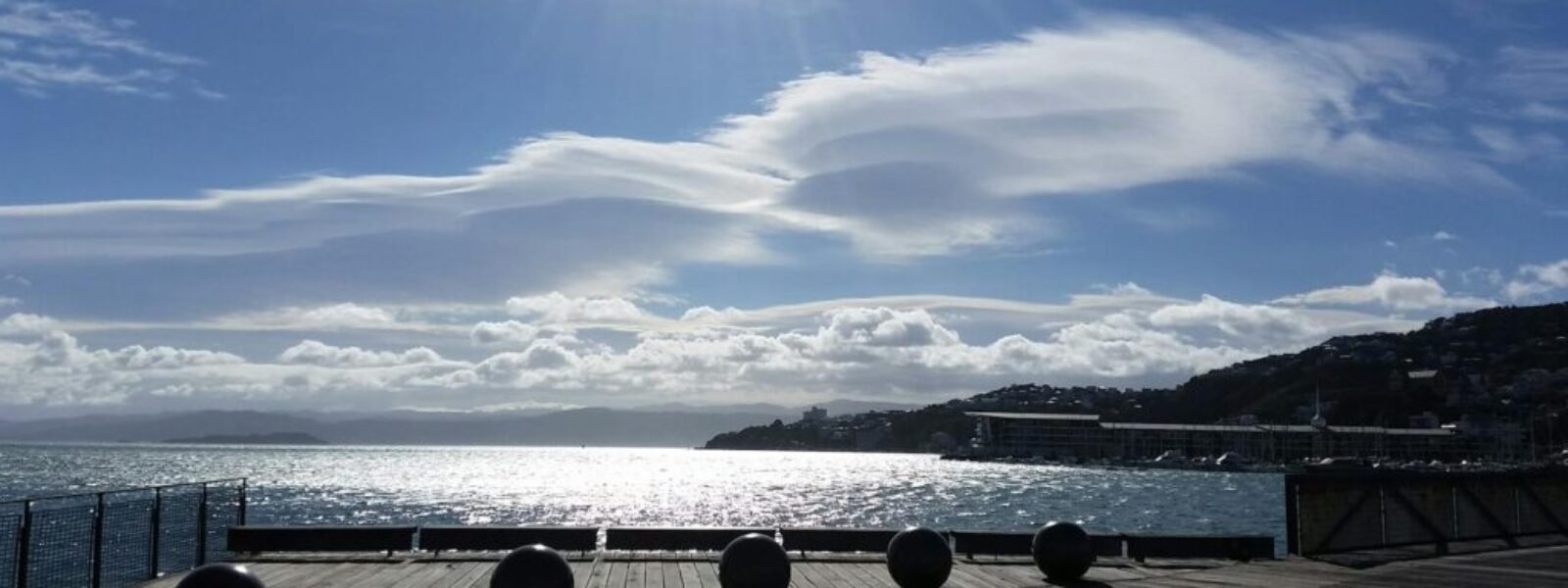
Wellington’s Great Harbour Way Extension Opens New Hiking Route to Eastbourne
Wellington’s long-awaited Great Harbour Way extension has officially opened, creating an uninterrupted 32-kilometre coastal hiking route from the city centre to Eastbourne. The $4.2 million project includes new boardwalks, upgraded tracks, and enhanced safety features along previously inaccessible cliff sections.
After years of planning setbacks and weather delays, the Great Harbour Way extension represents the most significant addition to Wellington’s hiking infrastructure in decades. The new route transforms what was previously a fragmented collection of coastal paths into a continuous waterfront trail that rivals Auckland’s Coast to Coast Walkway in both scope and scenic appeal.
Great Harbour Way by the numbers
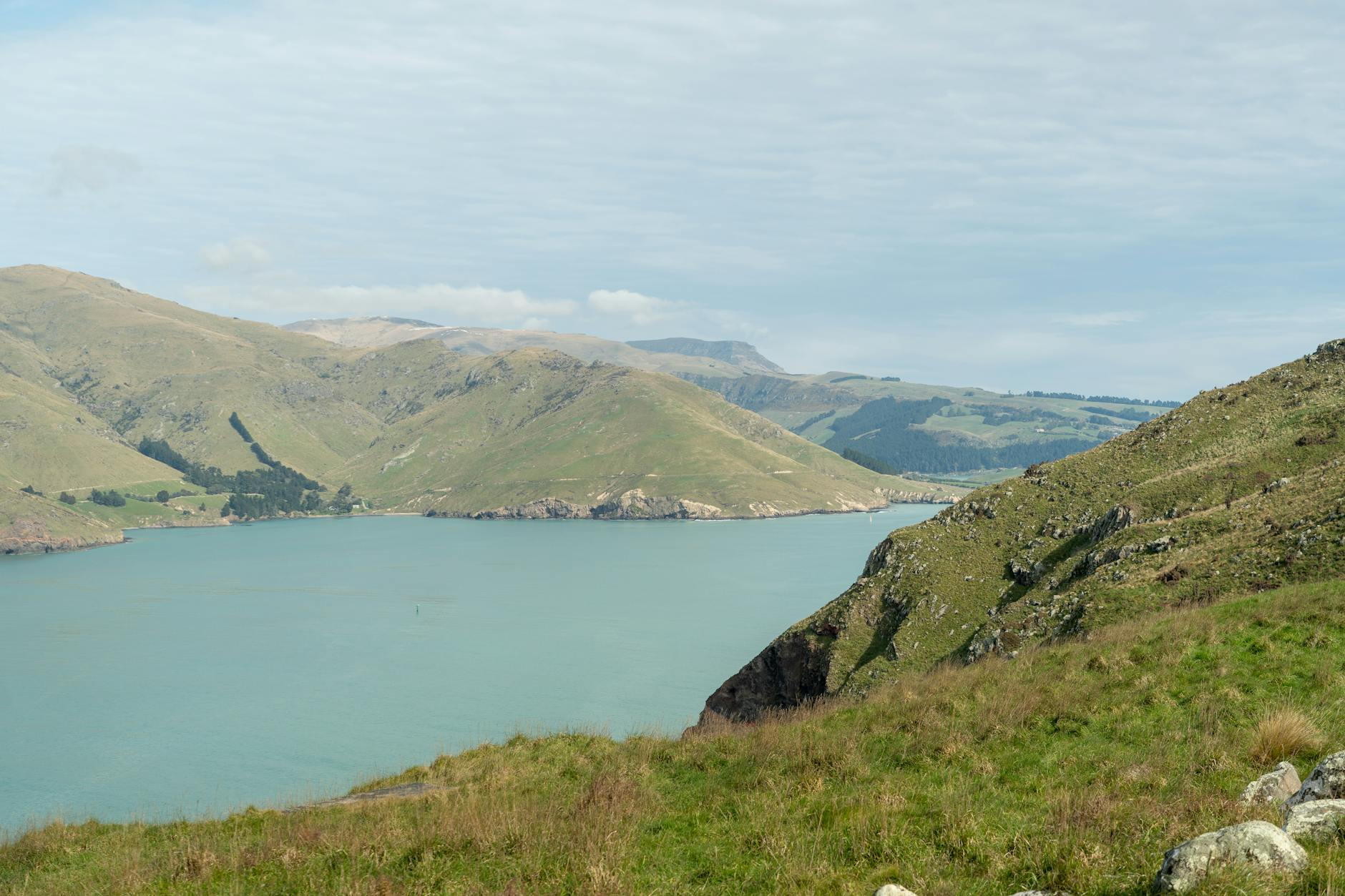
The extension tackles the historically problematic Pencarrow Coast section between Petone and Eastbourne, where unstable cliff faces and tidal zones previously forced hikers onto busy roads or required ferry connections. New elevated boardwalks now span the most challenging sections, while reinforced pathways with improved drainage handle the notorious Wellington winds that regularly batter this exposed coastline.
Wellington City Council’s investment reflects growing recognition of hiking tourism’s economic potential. According to Reuters, the finding showed New Zealand’s outdoor recreation economy contributed NZ$5.2 billion annually, with walking and hiking representing the fastest-growing segment among international visitors.
Local hiking groups have already embraced the new route, though early feedback suggests mixed reactions to some design choices. The Wellington Tramping and Mountaineering Club notes that while the improved accessibility opens the route to families and less experienced hikers, sections feel overly engineered compared to traditional New Zealand bush tracks. The concern echoes broader debates about balancing conservation with recreational access that have emerged around other major trail projects nationwide.
The timing coincides with peak winter hiking season approaching, when Wellington’s coastal routes offer clearer visibility and more stable weather conditions than inland alternatives. The Great Harbour Way extension includes new shelter points and emergency communication stations every two kilometres, addressing safety concerns that arose during consultation phases.
From a practical perspective, the complete route now offers multiple entry and exit points via public transport connections. Hikers can start from Wellington’s waterfront and catch buses back from various points along the route, or tackle shorter sections between Petone, Days Bay, and Eastbourne. The flexibility should appeal to Wellington’s time-pressed weekend warriors who previously faced lengthy car shuttles to access quality coastal hiking.
However, early usage patterns suggest potential crowding issues during peak periods. The route’s proximity to Wellington and Lower Hutt means weekend foot traffic already exceeds original projections, particularly around the scenic Pencarrow Head lighthouse section. Council officials indicate they’re monitoring numbers closely and may implement booking systems similar to those used for popular Great Walks if congestion becomes problematic.
The project’s completion also raises questions about maintenance and long-term sustainability. Wellington’s exposed coastal environment regularly damages infrastructure, as evidenced by ongoing repairs needed for existing waterfront walkways. The new boardwalk sections use marine-grade materials designed to withstand salt spray and storm damage, but only time will reveal whether the premium construction justifies the substantial cost difference over traditional track building methods.
Commercial operators are already adapting to capitalize on the new opportunity. Several Wellington-based tour companies have launched guided Great Harbour Way packages targeting cruise ship passengers and international visitors seeking accessible scenic walking options. The development mirrors successful commercial hiking ventures in other New Zealand regions, though Wellington’s unpredictable weather presents unique marketing challenges.
Environmental groups generally support the project while noting concerns about increased pressure on coastal bird nesting areas and native plant communities. The route passes through several ecologically sensitive zones where rare shorebirds breed, and increased foot traffic could potentially disrupt wildlife patterns. Monitoring protocols are in place, but conservation advocates argue the real test will come during the next breeding season.
For Wellington residents, the Great Harbour Way extension offers a significant recreational asset that transforms the city’s hiking landscape. The route provides access to previously remote coastal sections while connecting established attractions like the Petone Foreshore and Days Bay. Whether it lives up to the substantial investment and years of anticipation will depend largely on how well authorities manage the balance between promoting the new facility and preserving the natural environment that makes it special.