Museum & Arts Funding Crisis: 7 Things Wellington Creatives Need to Know
The government’s latest budget has sent shockwaves through Wellington’s cultural sector, with significant cuts to museum and arts funding threatening everything from free gallery exhibitions to community theatre programs. For a city that prides itself on being New Zealand’s cultural capital, these changes could reshape the creative landscape permanently.
Budget 2026 has delivered a harsh reality check for Wellington’s thriving museum and arts scene. While politicians promise “efficiency savings,” the creative community is bracing for closures, reduced programming, and higher admission fees across the board.
Wellington Cultural Funding at a Glance
1. Te Papa Faces $12 Million Budget Reduction
Our national museum is taking the biggest hit, with operational funding slashed by nearly 15% over the next three years. This means fewer blockbuster exhibitions, reduced opening hours during off-peak periods, and potential job losses among curatorial staff.
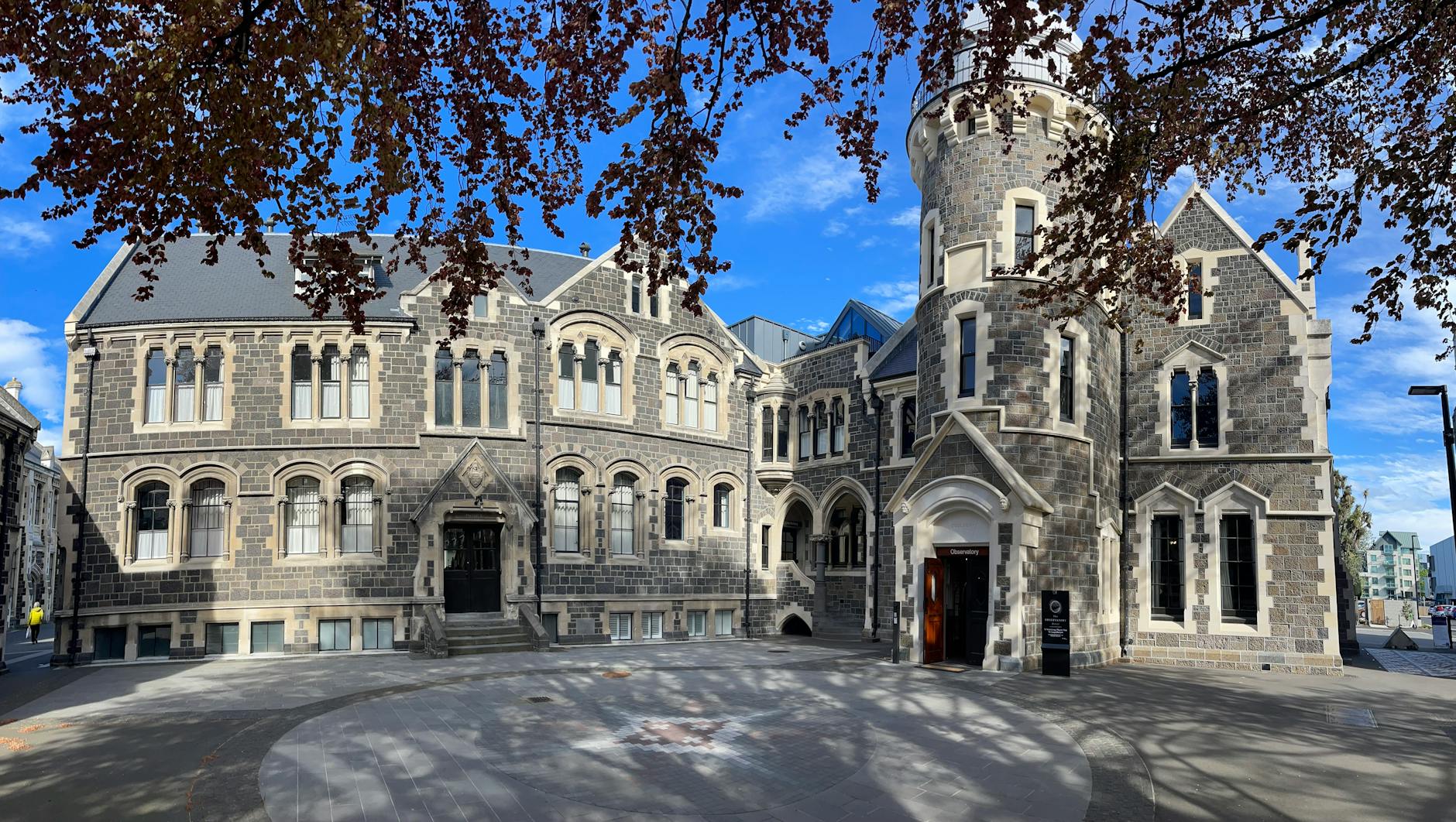
The timing couldn’t be worse — Te Papa was finally recovering visitor numbers post-pandemic and had ambitious plans for new interactive displays. Now those digital upgrades are on indefinite hold, potentially leaving Wellington’s biggest tourist drawcard looking dated compared to overseas competitors.
2. City Gallery Wellington May Introduce Entry Fees
For the first time in decades, Wellington’s premier contemporary art space is seriously considering charging admission. The gallery has operated on free entry since 1993, but with council funding frozen and operating costs rising, director Melanie Oliver admits “all options are on the table.”
This would be devastating for the local arts ecosystem. City Gallery has been the gateway drug for thousands of Wellingtonians discovering contemporary art, and entry fees could price out students, families, and casual visitors who currently drop in during lunch breaks or weekend wanders.
3. Regional Museums Facing Closure Threats
Smaller institutions across the greater Wellington region are in survival mode. The Hutt City Museum and Porirua Museum have both flagged potential closures if alternative funding isn’t secured by year-end. According to Stats NZ, regional museums contribute $47 million annually to the Wellington economy through tourism and education programs.
These aren’t just tourist attractions — they’re community anchors that preserve local history and provide educational programs for thousands of school children annually. Losing them would create cultural dead zones in suburbs that are already underserved.
4. Performing Arts Venues Scramble for Survival
Wellington’s smaller theatre spaces are particularly vulnerable. Venues like Circa Theatre and The Silo have seen their operational grants cut by up to 30%, forcing them to reduce season programming and increase ticket prices. Some are exploring corporate partnerships that could compromise artistic independence.
The ripple effect hits local artists hardest — fewer shows mean fewer opportunities for actors, directors, and technicians to earn income. Wellington’s reputation as a launching pad for creative careers could take years to rebuild if these venues struggle or close.
5. Public Art Projects Put on Hold
Wellington City Council has indefinitely postponed all new public art commissions, including the planned waterfront sculpture trail and several community mural projects. Existing maintenance for outdoor artworks has also been slashed, meaning some installations may deteriorate beyond repair.
This shortsighted approach ignores how public art drives foot traffic and tourism. Cities worldwide invest in creative placemaking because it generates economic returns — but Wellington seems determined to learn this lesson the hard way.
6. Arts Education Programs Under Threat
School visit programs at major cultural institutions face significant cuts, with some museums eliminating free educational visits entirely. This particularly impacts low-decile schools that relied on these programs to give students cultural experiences they couldn’t otherwise afford.
Creative New Zealand’s community arts funding has also been reduced, affecting after-school programs and community workshops that nurture emerging talent. We’re essentially pulling up the ladder for the next generation of Wellington artists and cultural workers.
7. Private Galleries May Fill the Gap
While public institutions struggle, private galleries and artist-run spaces might emerge as unexpected winners. With established venues reducing programming, there’s opportunity for smaller, more agile operators to capture audiences seeking cultural experiences.
However, these spaces typically lack the resources for major exhibitions or educational programs. They’re more likely to serve existing art enthusiasts rather than building new audiences — exactly the opposite of what a healthy cultural ecosystem needs.
The next twelve months will determine whether Wellington maintains its status as New Zealand’s cultural capital or becomes another casualty of short-term budget thinking. Local creatives and cultural advocates are mobilizing, but without significant community pressure, we may be witnessing the beginning of the end for Wellington’s golden age of accessible arts and culture.