Wellington Nightlife Revival: 7 Things You Need to Know About the City’s Late-Night Comeback
Wellington’s nightlife scene is experiencing its strongest revival since the pandemic, with new venues opening, trading hours extending, and foot traffic hitting pre-2020 levels for the first time. The capital’s after-dark economy is finally showing signs of real recovery.
After years of closures, reduced hours, and quiet streets, Wellington’s nightlife is roaring back to life in ways that even the most optimistic hospitality operators didn’t expect. The combination of regulatory changes, consumer confidence, and a wave of new investment has created the perfect storm for a proper late-night renaissance.
Wellington Nightlife Recovery at a Glance
1. Trading Hours Are Actually Getting Longer Again
The Wellington City Council’s recent decision to relax licensing restrictions has been a game-changer for venues across the CBD. Bars and clubs can now stay open until 4am on weekends without the prohibitive compliance costs that previously made late trading unviable for smaller operators.
This isn’t just bureaucratic box-ticking – venues like Havana Bar, Ivy Bar & Cabaret, and newcomer The Underground are all taking advantage of the extended hours. The ripple effect means punters aren’t rushing to cram their entire night into a 1am deadline, creating a more relaxed, European-style drinking culture.
However, early reports suggest some venues are struggling with staffing these extended shifts, and noise complaints from inner-city residents are already starting to stack up.
2. The Craft Cocktail Scene Has Exploded
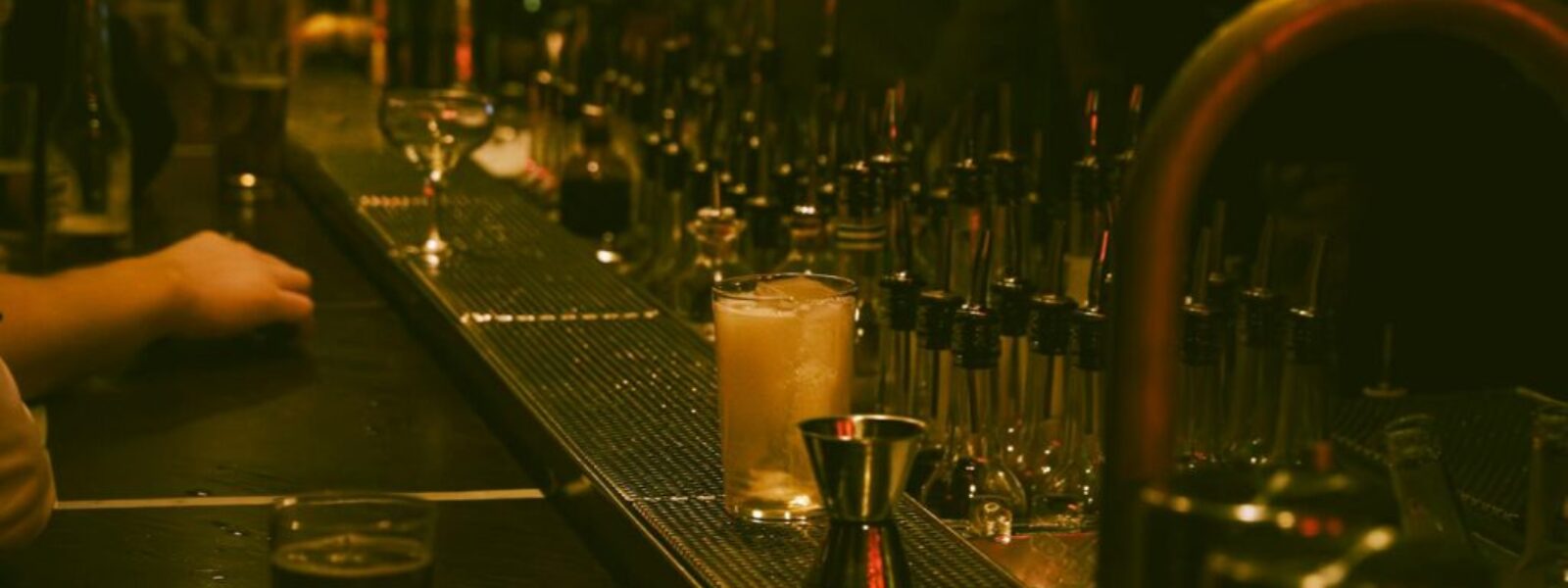
Wellington’s cocktail culture has matured dramatically over the past 18 months, with at least six new specialist cocktail bars opening since late 2025. Places like Merchant & Co., The Alchemist, and Black Sheep are drawing crowds who previously might have headed straight to the dancefloor.
These venues are treating cocktails as serious craft, with house-made syrups, locally-sourced spirits, and presentation that rivals Melbourne’s laneway bars. It’s creating a slower, more sophisticated start to the night that’s keeping people in the city longer.
The challenge will be maintaining quality as demand increases – already some newer venues are cutting corners with pre-batched cocktails and inexperienced staff.
3. Live Music Venues Are Bouncing Back Hard
San Fran, Meow, and Valhalla are all reporting their busiest periods since 2019, with local and touring acts finally finding audiences willing to pay for tickets again. The return of international artists has been particularly crucial for venues that rely on bigger drawcard shows to subsidise local music.
According to Deloitte’s latest Entertainment & Hospitality Recovery Report, the finding showed live music venues in Wellington are now operating at 115% of pre-pandemic revenue levels, driven largely by increased ticket prices and consumer willingness to spend on experiences.
The worry is whether this momentum can sustain once the novelty of “going out again” wears off, particularly with venue hire costs and artist fees both significantly higher than they were five years ago.
4. Late-Night Dining Is Finally a Thing
For too long, Wellington’s restaurant scene shut down at 10pm, leaving late-night revellers with kebabs and pizza as their only options. That’s changing rapidly, with venues like Night Market, After Dark Eatery, and several food trucks now operating until 2-3am on weekends.
The city’s Asian food scene has been particularly quick to adapt, with several Korean and Japanese restaurants extending their hours to capture the post-bar crowd. It’s creating a more complete nightlife ecosystem where people can eat, drink, and socialise without feeling rushed.
The success of these late-night dining options will largely depend on whether Wellington’s notoriously early-to-bed culture can sustain demand beyond the initial novelty period.
5. The CBD vs Suburbs Battle Is Heating Up
While the CBD is grabbing headlines with its late-night revival, suburban venues in areas like Mount Victoria, Newtown, and Island Bay are quietly building their own nightlife scenes. Local pubs and bars in these areas are staying open later and programming more live music and events.
This suburbanisation of nightlife could actually be healthier for the city’s long-term entertainment culture, spreading the economic benefits and reducing the pressure on CBD infrastructure. However, it also fragments the scene, potentially making it harder to build the critical mass that creates truly vibrant nightlife districts.
The transport challenge remains significant – Wellington’s public transport doesn’t support a dispersed late-night scene, and ride-sharing costs have increased substantially.
6. Safety and Security Are Actually Improving
Despite fears that extended hours and increased crowds would lead to more trouble, police reports show antisocial behaviour in the entertainment district has decreased compared to 2024. Better venue management, improved lighting, and a more experienced security workforce are all contributing factors.
The introduction of ID scanning systems across most major venues has also helped identify and ban problematic patrons before issues escalate. Venue owners are reporting feeling more confident about late trading, which creates a positive feedback loop for the entire scene.
The test will come during the winter months when traditional seasonal patterns see increased alcohol-related incidents and venue operators face higher costs with lower foot traffic.
7. The Next Challenge Is Sustainability
The current nightlife boom is being driven partly by pent-up demand and partly by regulatory relief, but the real test is whether Wellington can build a sustainable after-dark economy that works for venue owners, staff, residents, and punters year-round.
Rising commercial rents, labour shortages, and increasing compliance costs all threaten the viability of smaller venues that often provide the character and diversity that make a nightlife scene interesting rather than just profitable.
The encouraging signs are there – foot traffic, spending, and venue confidence are all trending upward. But Wellington’s nightlife has had false starts before, and the city’s conservative regulatory environment means this window of opportunity might not stay open indefinitely. The next 12 months will determine whether this revival becomes the new normal or just another brief flowering before the inevitable retreat.