Ghost Kitchen Revolution: Why Wellington Restaurants Are Going Virtual-Only
Wellington’s restaurant scene is quietly transforming as more operators abandon traditional dining rooms for delivery-only ‘ghost kitchens’ — commercial spaces designed purely for food preparation and takeaway orders. This shift could reshape how we experience the capital’s famous food culture.
What exactly are ghost kitchens and why are they suddenly everywhere?
Ghost Kitchen Economics
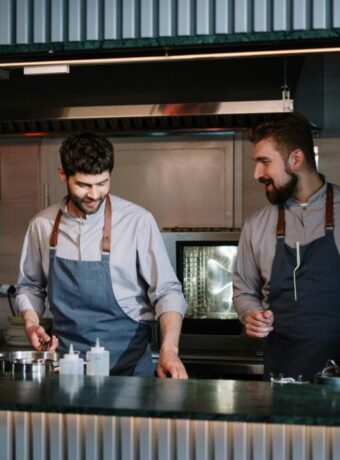
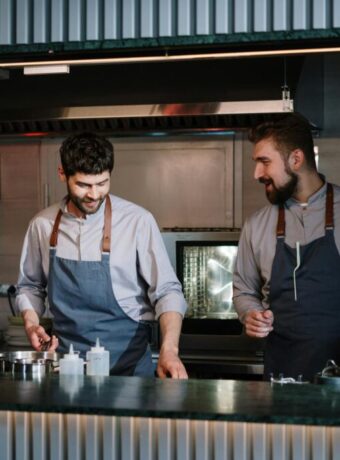
Ghost kitchens, also called virtual kitchens or cloud kitchens, are commercial cooking spaces without traditional restaurant seating or storefronts. They exist purely to fulfil delivery and pickup orders placed through apps like Uber Eats, Menulog, and DoorDash. What makes them particularly appealing is that multiple restaurant brands can operate from a single kitchen space — so one facility might house five different ‘restaurants’ all cooking different cuisines.

Wellington has seen at least a dozen new ghost kitchen operations launch in the past six months, from established operators like Burger Fuel testing delivery-only outlets to completely new brands emerging solely in the virtual space. The model allows entrepreneurs to start food businesses with significantly lower overheads — no front-of-house staff, no expensive fit-outs, no prime retail locations required.
Why is this happening now in Wellington specifically?
The perfect storm of commercial rent increases, labour shortages, and changing eating habits has made traditional restaurants increasingly challenging to operate profitably. Commercial property rents in Wellington’s CBD have risen approximately 15% over the past two years, according to Stats NZ, while food service sales have shifted heavily toward delivery and takeaway post-pandemic.
Many restaurant owners are finding they can serve the same customer base more efficiently without the costs of maintaining a dining room. The maths are compelling — a ghost kitchen can operate with 60% lower overhead costs than a traditional restaurant while potentially serving a wider geographic area through delivery apps. For Wellington’s notoriously tight hospitality margins, that difference can mean the survival of a business.
Who’s actually making this shift and what does it look like?
The early adopters include both struggling existing restaurants pivoting their model and entirely new food entrepreneurs who see ghost kitchens as their entry point. Several well-known Wellington establishments have quietly launched delivery-only versions of their brands from industrial kitchen spaces in Petone and Lower Hutt, where rents are more manageable than Cuba Street or Courtenay Place.
We’re also seeing the emergence of ‘multi-brand’ operators who run several different virtual restaurant concepts from one kitchen — perhaps a burger joint, a Thai place, and a dessert brand all operating from the same space with different branding on delivery apps. This approach maximises kitchen utilisation and allows operators to test new concepts without significant upfront investment.
What does this mean for Wellington diners and food culture?
For consumers, the immediate impact is more delivery options and potentially lower prices due to reduced overhead costs. However, there’s a cultural trade-off. Wellington’s dining scene has always been about more than just food — it’s about atmosphere, service, the social experience of eating out. Ghost kitchens strip away these elements entirely.
There’s also a quality control concern. Without the immediate feedback loop of serving customers face-to-face, ghost kitchen operators might not maintain the same standards. Food safety oversight becomes more challenging when restaurants exist only in the digital space, and the connection between chef and diner is completely severed.
How are traditional Wellington restaurants responding to this competition?
Smart operators are adapting by strengthening their dine-in experience — offering things ghost kitchens simply cannot. Live music, cocktail programs, private dining spaces, and chef interactions are becoming more important as points of differentiation. Some traditional restaurants are also launching their own ghost kitchen offshoots, essentially hedging their bets across both models.
However, there’s growing concern among established restaurateurs that ghost kitchens create unfair competition. They operate with lower costs but potentially lower standards, and the delivery app algorithms don’t distinguish between a established restaurant with decades of reputation and a brand-new virtual operation with clever marketing.
What are the broader implications for Wellington’s hospitality workforce?
Ghost kitchens require fewer staff per dollar of revenue generated, which could mean fewer hospitality jobs overall. Front-of-house roles — servers, hosts, bartenders — simply don’t exist in the ghost kitchen model. While this addresses the current labour shortage in the short term, it could fundamentally change the career pathway for hospitality workers in Wellington.
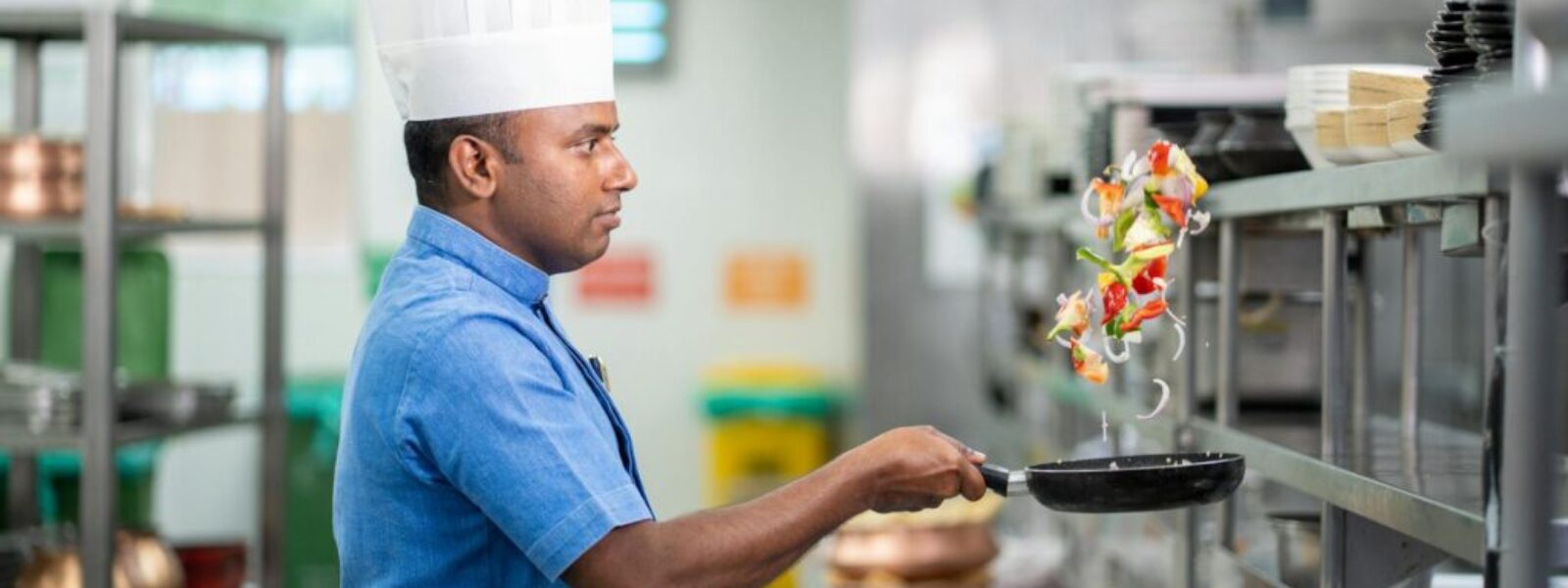
On the flip side, ghost kitchens might create opportunities for skilled chefs to become business owners more easily, without needing the capital for a full restaurant fit-out. The lower barrier to entry could foster innovation and give more diverse voices a chance in Wellington’s food scene.
What happens next for Wellington’s restaurant landscape?
We’re likely looking at a hybrid future where ghost kitchens coexist alongside traditional restaurants, each serving different market needs. The challenge will be ensuring Wellington doesn’t lose the vibrant dining culture that makes it special while embracing the economic realities that ghost kitchens address.
Regulation may also play a role. As ghost kitchens proliferate, questions about food safety oversight, fair competition, and urban planning become more pressing. Wellington City Council will need to consider how these virtual restaurants fit into the city’s broader hospitality ecosystem and whether additional oversight is needed.
For now, the ghost kitchen revolution is quietly reshaping how Wellington eats — one delivery order at a time. Whether this proves to be a positive evolution or a concerning departure from the capital’s food culture remains to be seen.