7 Things You Need to Know About New Zealand’s Hiking Track Closures This Winter
New Zealand’s hiking network faces unprecedented disruption this winter as DOC announces widespread track closures, budget constraints bite deeper, and storm damage from recent weather events forces long-term access restrictions across popular tramping destinations.
If you’re planning winter walks around Wellington or further afield, this season looks drastically different from previous years. DOC’s latest closure announcements affect everything from day walks to multi-day Great Walks, with some restrictions extending well into 2027.
Track Closure Impact
1. Budget cuts force permanent closures of lesser-known tracks
DOC’s reduced funding has led to the permanent closure of 23 walking tracks nationwide, with several affecting Wellington region access. The Makara Peak extensions and parts of the Remutaka Rail Trail face indefinite closure as maintenance budgets shrink by 15% compared to last year.
According to PwC’s Government Spending Review, the finding showed that conservation spending cuts will impact recreational infrastructure more severely than initially projected. Unlike previous budget squeezes that delayed maintenance, these closures appear permanent unless funding models change.
The ripple effect means popular alternative routes now face overcrowding, particularly around Wellington’s remaining accessible tracks like Mount Victoria and the Botanic Garden networks.
2. Cyclone damage from March still blocking major routes
March’s severe weather continues to impact access three months later, with slip damage and washouts affecting key tracks. The Heaphy Track remains partially closed, while sections of the Queen Charlotte Track face ongoing restrictions that weren’t expected to last this long.
What’s particularly frustrating for Wellington trampers is that many of these closures affect the South Island tracks that locals typically target for long weekends or winter escapes. The Abel Tasman coastal sections and parts of the Routeburn are among those still dealing with infrastructure repair delays.
DOC’s repair timeline suggests some tracks won’t fully reopen until summer 2027, fundamentally altering winter hiking plans that many Wellingtonians have already booked and paid for.
3. Hut booking chaos as available tracks get overwhelmed
With fewer tracks open, the remaining accessible routes face unprecedented demand. Great Walk bookings for winter 2026 sold out 40% faster than usual, leaving many experienced trampers scrambling for alternatives or accepting uncomfortable overcrowding on day walks.
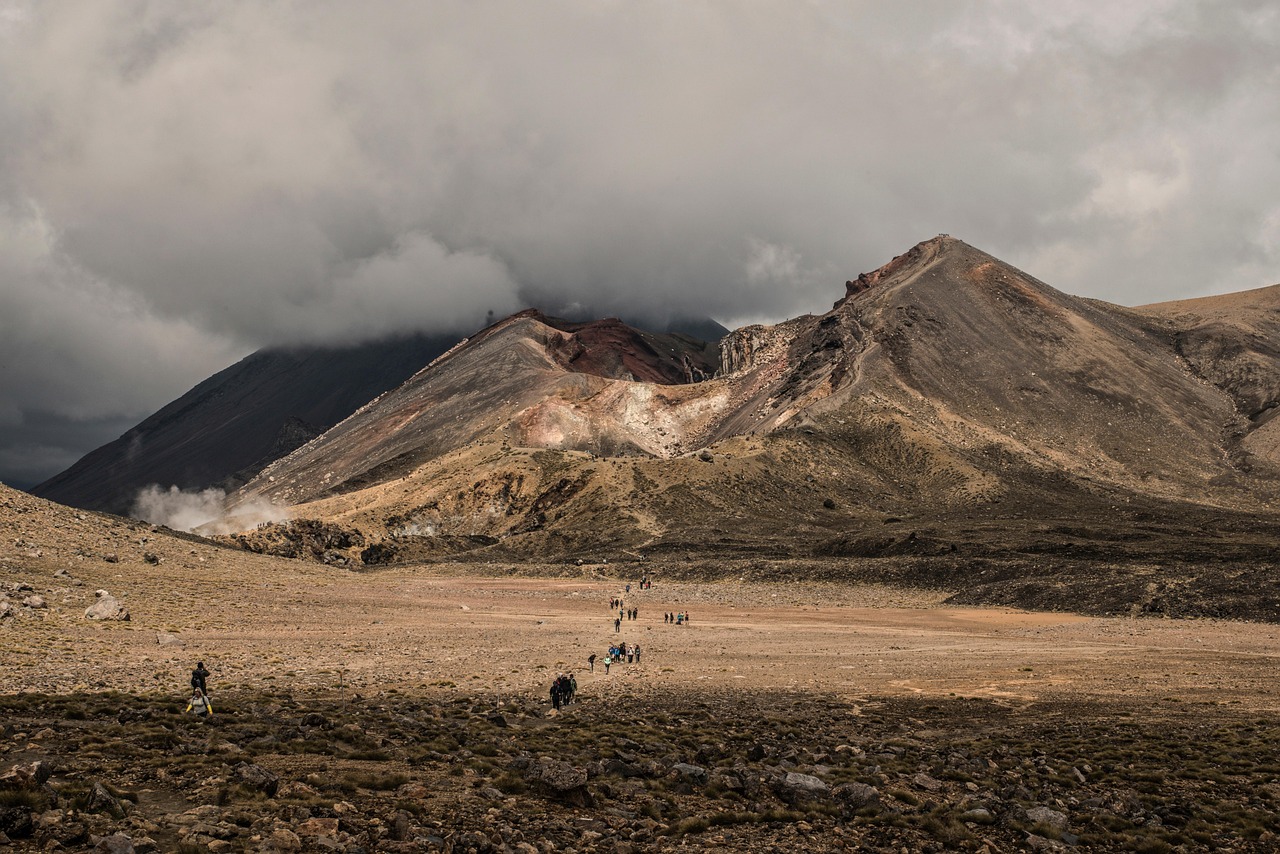
The Tongariro Alpine Crossing, never a winter favorite but still accessible, now sees booking queues that rival summer peak periods. Wellington’s local tracks report visitor numbers up 60% on previous winters as people seek nearby alternatives to their usual South Island adventures.
This concentration effect creates safety concerns, with search and rescue teams noting increased callouts on tracks that previously saw moderate, manageable foot traffic during winter months.
4. Private land access restrictions tighten further
Farmers and private landowners have responded to increased foot traffic by restricting access to traditional alternative routes. Several farm tracks around the Wairarapa that previously offered informal walking access have now posted no-trespassing signs.
The Tararua Range access points face new restrictions as landowners cite insurance concerns and property damage from higher visitor numbers. What were once understood local arrangements between farmers and regular walkers have formalized into blanket restrictions that exclude casual trampers.
This creates a perfect storm where official tracks close due to budget constraints while traditional overflow routes simultaneously become unavailable, leaving Wellington’s hiking community with genuinely fewer options than any winter in recent memory.
5. Weather monitoring becomes more critical than ever
With fewer backup options available, weather-dependent planning becomes crucial for the remaining accessible tracks. MetService reports that winter 2026 tracking patterns suggest more severe weather windows, making flexible planning essential for successful trips.
Wellington trampers who previously relied on having multiple track options for any given weekend now face scenarios where a single weather event can eliminate their only viable hiking option. The psychological shift from abundance of choice to scarcity requires different planning approaches and greater willingness to abandon trips entirely.
Local hiking groups report increased interest in weather forecasting courses and contingency planning, skills that were less critical when track closures were temporary and alternatives abundant.
6. International visitor patterns change local dynamics
Reduced international tourism has created an unexpected silver lining for some Wellington-area tracks, but it’s unevenly distributed. While coastal walks see fewer overseas visitors, the concentration of domestic hikers on remaining open tracks often creates busier conditions than international peak periods.
The shift means that traditional winter tramping, once a quieter alternative to summer crowds, now requires the same advance booking and early-start strategies that were previously summer-only considerations.
For Wellington day-trippers, this translates to treating winter hiking with the same logistical planning that was once reserved for holiday weekend summer adventures.
7. Long-term outlook suggests permanent changes
Industry experts suggest these restrictions represent a fundamental shift rather than temporary setbacks. The combination of climate-related infrastructure damage, constrained government spending, and changing land-use patterns points toward a smaller, more intensively managed hiking network.
Wellington’s hiking community may need to adapt to a reality where fewer tracks handle more concentrated use, requiring advance planning that was unnecessary during the era of abundant accessible options. The casual weekend warrior approach to local tramping appears to be giving way to more structured, booking-dependent recreation.
Looking ahead, winter 2027 planning should begin with assumption of continued restrictions rather than hopes for restored access. The hiking landscape around Wellington has fundamentally changed, and the sooner local trampers adapt their expectations and planning approaches, the better their chances of successful winter adventures in this new environment.