7 Things to Know About Wellington’s New Zealandia Night Tours Before You Book
Zealandia has just launched its most ambitious tour offering yet — guided night walks through the predator-free sanctuary, promising encounters with glow worms, kiwi calls, and nocturnal native species rarely seen during daylight hours.
Wellington’s premier eco-sanctuary is betting big on darkness. After months of planning and safety upgrades, Zealandia’s new night tours are finally here, offering Wellingtonians a chance to experience their backyard wildlife sanctuary in a completely different light — or lack thereof.
Night Tour Numbers
1. Limited Numbers Make Bookings Competitive
Only 12 people per tour, three nights a week. That’s Zealandia’s formula for keeping the night tours intimate and wildlife-friendly. Tours run Thursday through Saturday from 7pm to 9pm, with bookings opening monthly and selling out within hours.
The sanctuary learned from Kapiti Island’s booking chaos — small groups mean better wildlife encounters and less disturbance to the animals. But it also means Wellington’s 200,000 residents are competing for just 144 monthly spots.
2. Glow Worms Are the Main Drawcard
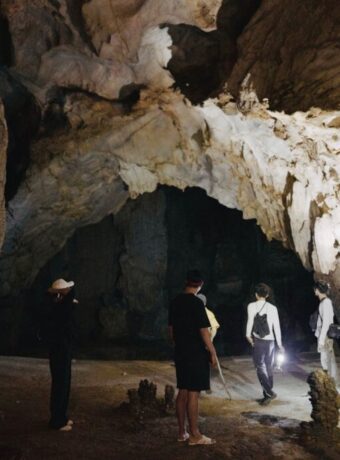
The valley’s glow worm population has exploded since pest eradication began. Guide torches reveal hundreds of tiny blue-green lights dotting the forest canopy and stream banks — a sight that’s been absent from Wellington’s urban fringe for over a century.
Unlike the famous Waitomo caves, Zealandia’s glow worms live in their natural forest habitat. The experience feels more authentic, though weather dependency means some tours see fewer displays during dry spells or heavy rain.
3. Kiwi Encounters Aren’t Guaranteed
Despite marketing materials featuring little spotted kiwi prominently, actual sightings remain rare. The sanctuary’s 150-strong kiwi population is notoriously elusive, even for researchers who track them daily.
What you will hear are their distinctive calls echoing through the valley — an otherworldly sound that predator-free Wellington hasn’t experienced for generations. According to Department of Conservation, the little spotted kiwi calls are most active during the first few hours after sunset. Tour guides carry audio equipment to amplify distant calls, turning the hunt into an immersive listening experience.
4. Safety Upgrades Changed the Terrain
New boardwalks and LED pathway markers have transformed previously inaccessible areas of the sanctuary. The night tour route covers different ground than daytime walks, including sections near the upper reservoir that were off-limits until recent safety installations.
Motion-sensor lighting activates only when groups approach, minimizing disruption to nocturnal animals while ensuring visitor safety. The technology feels seamless, though some purists argue it diminishes the ‘wild’ experience.
5. Weather Cancellations Are Common
Wellington’s notorious wind creates havoc for night tours. Sustained winds over 50km/h trigger automatic cancellations, as do heavy rain and thick fog that reduces visibility below safety thresholds.
Zealandia’s policy offers full refunds or rebooking, but with limited alternative dates available, many visitors face long waits. The sanctuary estimates weather forces 20-25% of tours to reschedule — higher than similar attractions in more sheltered locations.
6. Pricing Reflects Premium Positioning
At $95 for adults, Zealandia’s night tours cost nearly double the standard day pass. The premium reflects small group sizes, specialized guiding, and exclusive access to restricted areas after regular hours.
Family packages offer some savings, but a family of four still faces a $300+ night out before travel and parking costs. That puts the experience in competition with Wellington’s top restaurant dining rather than typical family activities.
7. Competition is Coming
Wellington Zoo has flagged plans for its own after-dark experiences, while Otari-Wilton’s Bush is exploring guided night walks through its native forest. The success of Zealandia’s night tours has awakened interest across Wellington’s conservation attractions.
The timing couldn’t be better for nature-based tourism recovery, but it also means Zealandia’s monopoly on nocturnal wildlife experiences won’t last forever. Early adopters get bragging rights; late bookers might have more options.
These night tours represent Zealandia’s evolution from conservation project to premium experience destination. Whether Wellington’s wildlife can handle the attention — and whether visitors find the reality matches the marketing — will determine if this model spreads beyond the sanctuary fence.