7 Things You Need to Know About New Zealand’s Hiking Track Closures This Autumn
Cyclone-damaged tracks and ongoing weather warnings have forced DOC to close nearly 40% of major hiking trails across New Zealand, with Wellington region tracks particularly affected by recent flooding and slips.
If you’ve been planning autumn tramping adventures, you’ll need to seriously reassess your options. The combination of February’s devastating Cyclone Petra and March’s unprecedented rainfall has left New Zealand’s track network in its worst state since Cyclone Gabrielle.
Track Closure Impact
For Wellington hikers, this means rethinking weekend plans and potentially looking at alternative routes you might never have considered. Here’s what’s actually open, what’s definitely off-limits, and where you can still get your hiking fix.
1. The Tararua Ranges Are Largely Inaccessible
Almost all major Tararua tracks remain closed following extensive slip damage and bridge failures. The popular Holdsworth-Jumbo circuit, Mount Holdsworth summit track, and Dress Circle track are all completely impassable. DOC estimates repairs won’t begin until winter, with full reopening potentially delayed until spring 2027.
This is particularly frustrating for Wellington’s hardcore tramping community who rely on the Tararuas for serious hill training. The closure of these challenging routes means experienced hikers are being forced onto easier, more crowded tracks elsewhere.
Local tramping clubs report members are now travelling as far as Nelson and Canterbury for proper alpine experiences, adding significant cost and travel time to what were once day trips from the capital.
2. Great Walks Bookings Are in Chaos
Three of New Zealand’s Great Walks remain closed indefinitely, creating a domino effect on the entire booking system. According to Reuters, the tourism industry faces potential losses of $180 million this season as international visitors cancel bookings.
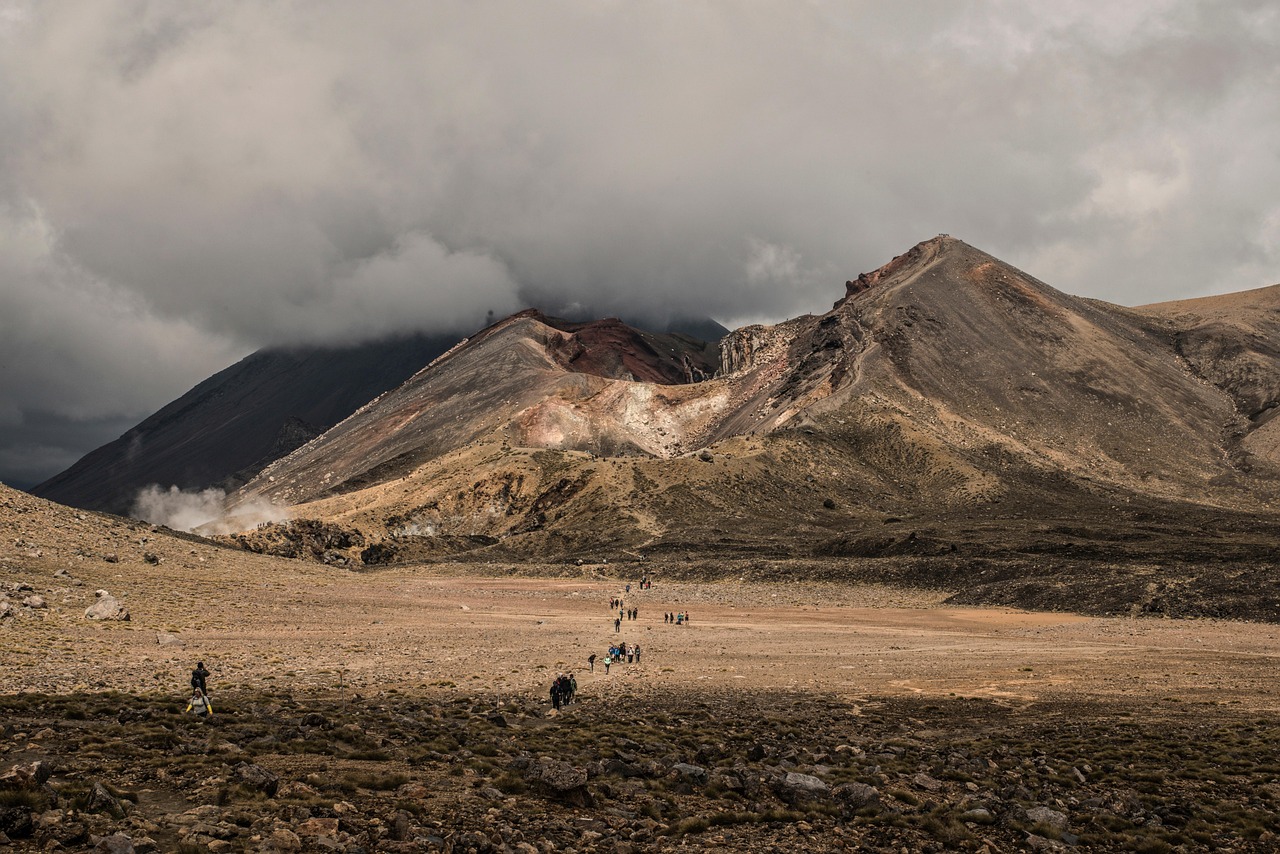
For locals, this means the remaining open Great Walks are experiencing unprecedented demand. The Tongariro Alpine Crossing, one of the few major tracks still operating normally, is booked solid through winter. If you haven’t secured your spot by now, you’re looking at 2027 availability.
The silver lining? Day walk sections of some Great Walks remain accessible, offering snippets of these world-class experiences without the full multi-day commitment.
3. Wellington’s City Tracks Are Overwhelmed
With major wilderness areas closed, Wellington’s local walking networks are experiencing traffic they were never designed to handle. The Mount Victoria and Kelburn tracks are seeing weekend crowds typically reserved for the Wellington Marathon route.
Car parks at popular entry points like the Botanic Garden and Mount Cook Park are full by 8am on weekends. The situation has become so problematic that Wellington City Council is considering implementing a booking system for some tracks – something unthinkable just months ago.
If you’re planning city walks, start early or consider weekday adventures. The crowds thin significantly after 4pm as casual walkers head home, leaving the trails to serious enthusiasts.
4. Kapiti Coast Offers Unexpected Alternatives
While everyone’s focused on major track closures, the Kapiti Coast has emerged as Wellington’s best-kept hiking secret this autumn. Kapiti Island tours are running normally, and mainland tracks like the Escarpment Track and Queen Elizabeth Park coastal walkways have escaped major damage.
The 45-minute drive north is revealing routes many Wellington hikers have ignored for years. The Otaki Gorge track, in particular, offers genuine backcountry feel without the Alpine challenges of the closed Tararua routes.
Local accommodation is reporting increased bookings from Wellington-based hikers treating these as mini-breaks rather than day trips, suggesting a permanent shift in how the capital’s outdoor community approaches weekend adventures.
5. Track Conditions Change Daily
Even tracks officially listed as “open” are experiencing unpredictable closures due to ongoing weather instability. DOC’s track alert system is updating multiple times daily, sometimes closing tracks that were accessible in the morning.
This means the old approach of planning weekend hikes on Thursday night no longer works. Successful hikers are now checking conditions the night before and having backup plans ready. Some are even carrying alternative route maps for tracks they might need to pivot to mid-hike.
The frustration level is high, but it’s worth remembering that these closures exist for genuine safety reasons. February’s track incidents resulted in three serious search and rescue operations when hikers ignored closure signs.
6. Gear Requirements Have Intensified
Open tracks are requiring more technical gear than usual due to temporary diversions and rough conditions. Routes that were previously suitable for casual walkers now demand proper boots, navigation equipment, and emergency supplies.
Wellington outdoor retailers report surge in sales of personal locator beacons and waterproof gear as hikers adapt to more challenging conditions. What were once straightforward day walks now require the same preparation as overnight tramps.
If you’ve been hiking in running shoes and carrying just water, it’s time to upgrade your approach. The margin for error has significantly decreased across the network.
7. Recovery Timeline Extends Into 2027
DOC’s latest infrastructure assessment suggests major tracks won’t return to full capacity until late 2027 at the earliest. Priority is being given to tracks with tourism significance, potentially leaving local favourites closed longer than anticipated.
This extended timeline means Wellington’s hiking community needs to fundamentally adjust expectations for the next 18 months. The pre-Cyclone Petra network of easily accessible wilderness areas may not return in the same form.
However, forced exploration of alternative routes is revealing hidden gems many hikers never knew existed. Some are discovering they prefer these lesser-known tracks to the crowded favourites they’ve lost access to.
The track closure crisis is reshaping how Wellington approaches hiking, potentially permanently. While the immediate disruption is significant, the enforced diversification of routes may ultimately strengthen the region’s walking culture by reducing over-reliance on a handful of popular tracks.