Wellington’s Museum Arts Scene Gets $45M Boost: What This Means for Local Culture
The New Zealand government has announced a $45 million funding boost for museums and arts institutions nationwide, with Wellington set to receive the largest share. This represents the most significant cultural investment in a decade, promising major upgrades to Te Papa, Wellington Museum, and several smaller galleries across the capital.
What exactly is happening with this funding?
Wellington Cultural Funding Breakdown
The government has committed $45 million over three years to revitalise New Zealand’s museum and arts sector, with Wellington institutions securing approximately $18 million of the total package. Te Papa Tongarewa will receive $8.5 million for digital infrastructure upgrades and new exhibition spaces, while Wellington Museum gets $4.2 million for accessibility improvements and interactive displays. The remaining funds are distributed among smaller institutions including The Dowse Art Museum, City Gallery Wellington, and various community arts spaces.
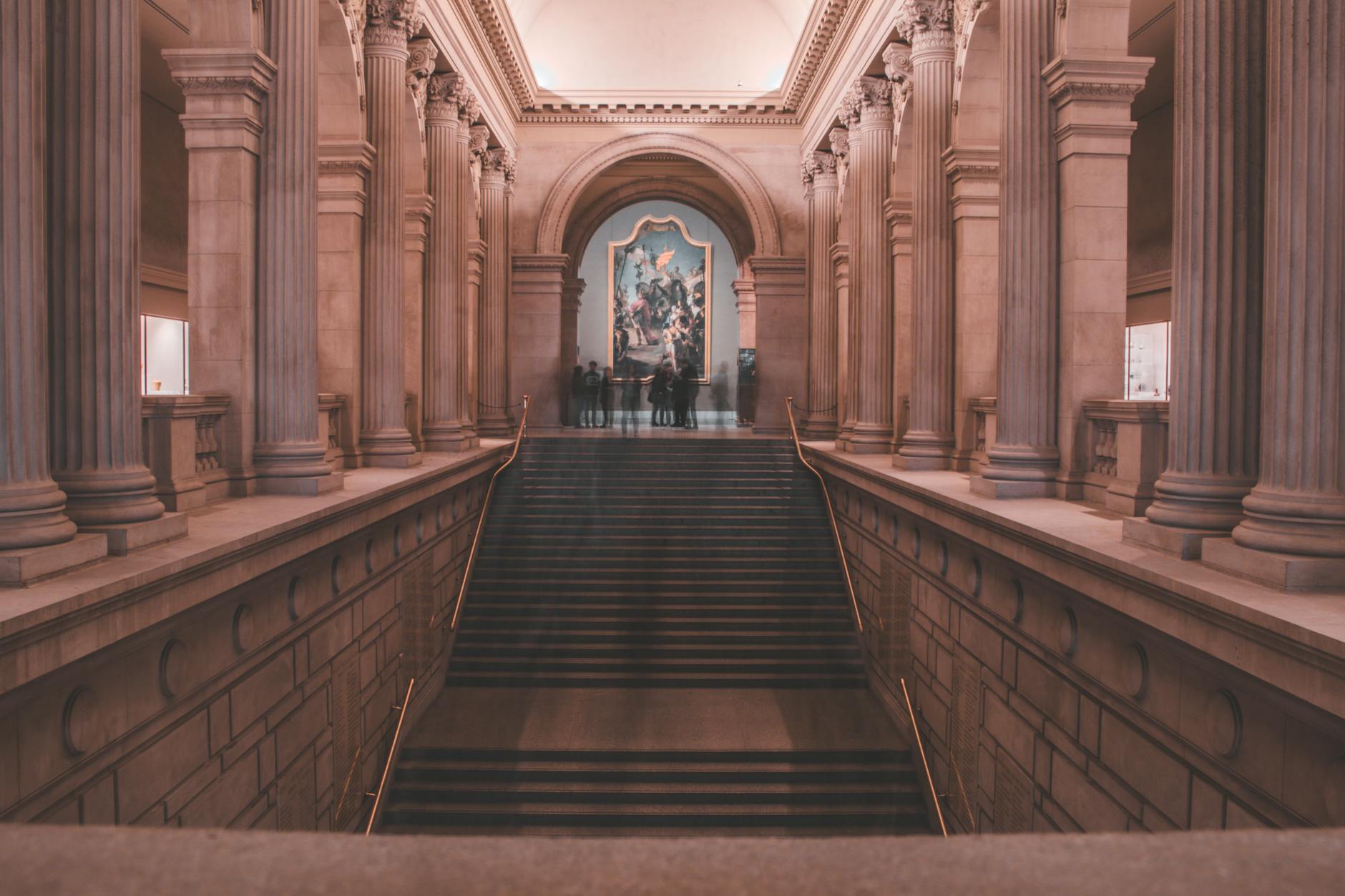
This isn’t just about fresh paint and new signage. The funding specifically targets digital transformation, accessibility upgrades, and climate-controlled storage facilities that many institutions have desperately needed for years. Wellington’s cultural institutions have been operating on increasingly tight budgets, with some deferring essential maintenance and limiting programming.
Why is this investment happening now?
The timing reflects both political priorities and economic recovery strategies following recent challenges in the tourism and cultural sectors. According to Reuters, the investment is part of New Zealand’s broader cultural tourism recovery plan, with officials expecting significant returns through increased visitor engagement and international profile.
There’s also a recognition that Wellington’s cultural infrastructure has fallen behind comparable cities internationally. While Auckland received major museum investments in recent years, the capital’s institutions have been making do with aging facilities and limited resources. The government appears to be responding to lobbying from cultural leaders who argued Wellington needed support to maintain its status as the country’s cultural heart.
Which institutions will benefit most significantly?
Te Papa stands to gain the most, with plans for a completely redesigned Māori cultural wing and state-of-the-art storage facilities for its extensive collection. The museum has been operating beyond capacity for years, with much of its collection kept in suboptimal conditions. Wellington Museum will use its allocation to create fully accessible exhibition spaces and develop augmented reality experiences that bring the city’s history to life.
Smaller institutions face their own transformation. The Dowse Art Museum in Lower Hutt will finally get climate-controlled galleries suitable for hosting international exhibitions, while City Gallery Wellington plans to expand its contemporary art programming with enhanced digital capabilities. Community arts spaces across Wellington will share a dedicated fund for equipment upgrades and accessibility improvements.
What does this mean for Wellington’s cultural landscape?
This funding represents a fundamental shift in how Wellington positions itself culturally. The capital has long relied on its compact size and concentrated cultural offerings, but this investment allows institutions to compete on an international scale. We’re likely to see more ambitious exhibitions, better preservation of significant collections, and enhanced visitor experiences that could attract cultural tourists from around the world.
However, there’s a risk that focusing on major institutions could overshadow Wellington’s vibrant grassroots arts scene. The funding allocation heavily favours established museums over emerging artists and experimental spaces that give the city much of its creative edge. It’s a classic cultural policy tension – supporting prestigious institutions while nurturing the underground scene that often produces tomorrow’s major artists.
How will this impact local artists and creative workers?
The immediate benefits for local artists are mixed. While larger institutions will have enhanced capacity to commission new works and host residencies, the funding doesn’t directly address studio space shortages or living costs that make Wellington challenging for emerging artists. Some institutions plan to use their allocations to increase artist fees and commission more local work, but details remain unclear.
The real opportunity lies in job creation within the cultural sector. Enhanced facilities require more skilled staff, from conservators to digital specialists to education coordinators. Wellington’s creative workforce could see genuine employment growth, particularly in areas where institutions have been understaffed for years.
What challenges might emerge from this investment?
The biggest risk is that Wellington’s cultural scene becomes too institutionalised. The city’s appeal partly stems from its accessible, experimental approach to arts and culture. If major funding primarily benefits traditional museum structures, there’s potential for the scene to become more conservative and less distinctive. Other New Zealand cities are watching Wellington’s approach closely – if this model succeeds, expect similar investments elsewhere, potentially creating inter-city competition for cultural tourists and major exhibitions.
Practically, construction and renovation work will disrupt normal operations for many institutions over the next two years. Visitors should expect temporary closures and reduced programming at several major venues. The challenge will be maintaining audience engagement during transition periods while building anticipation for reopenings.
What should Wellingtonians expect over the next three years?
Expect significant disruption followed by a dramatically enhanced cultural offering. Te Papa will likely close sections for renovation from late 2026, with a full reopening planned for early 2028. Wellington Museum begins accessibility upgrades this year, with new interactive exhibits launching progressively. Smaller institutions will implement changes more quickly, with some new programming visible by late 2026.
The success of this investment will ultimately be measured not just in visitor numbers, but in whether Wellington can maintain its distinctive cultural character while elevating its international profile. If managed well, this could cement the capital’s position as New Zealand’s undisputed cultural centre. If not, we might end up with shinier museums that have lost some of their local soul.