
7 Things You Need to Know About DOC’s New Hiking Track Booking System
The Department of Conservation’s controversial expansion of mandatory bookings from Great Walks to popular day walks has sparked fierce debate among Wellington’s hiking community, with new fees and booking requirements set to affect thousands of weekend warriors.
DOC’s pivot from free public access to a pay-per-trek model represents the biggest shake-up to New Zealand hiking in decades. While officials promise better track maintenance and crowd control, many locals are questioning whether this commercialisation will price out casual hikers and fundamentally change how we experience our own backyard.
DOC Booking Fees at a Glance
1. Day walks now require advance bookings
Starting this winter, popular day walks including sections of the Queen Charlotte Track, Abel Tasman Coast Track, and Routeburn Track will require bookings up to 90 days in advance. This marks a dramatic departure from the traditional turn-up-and-walk approach that’s defined New Zealand hiking culture for generations.
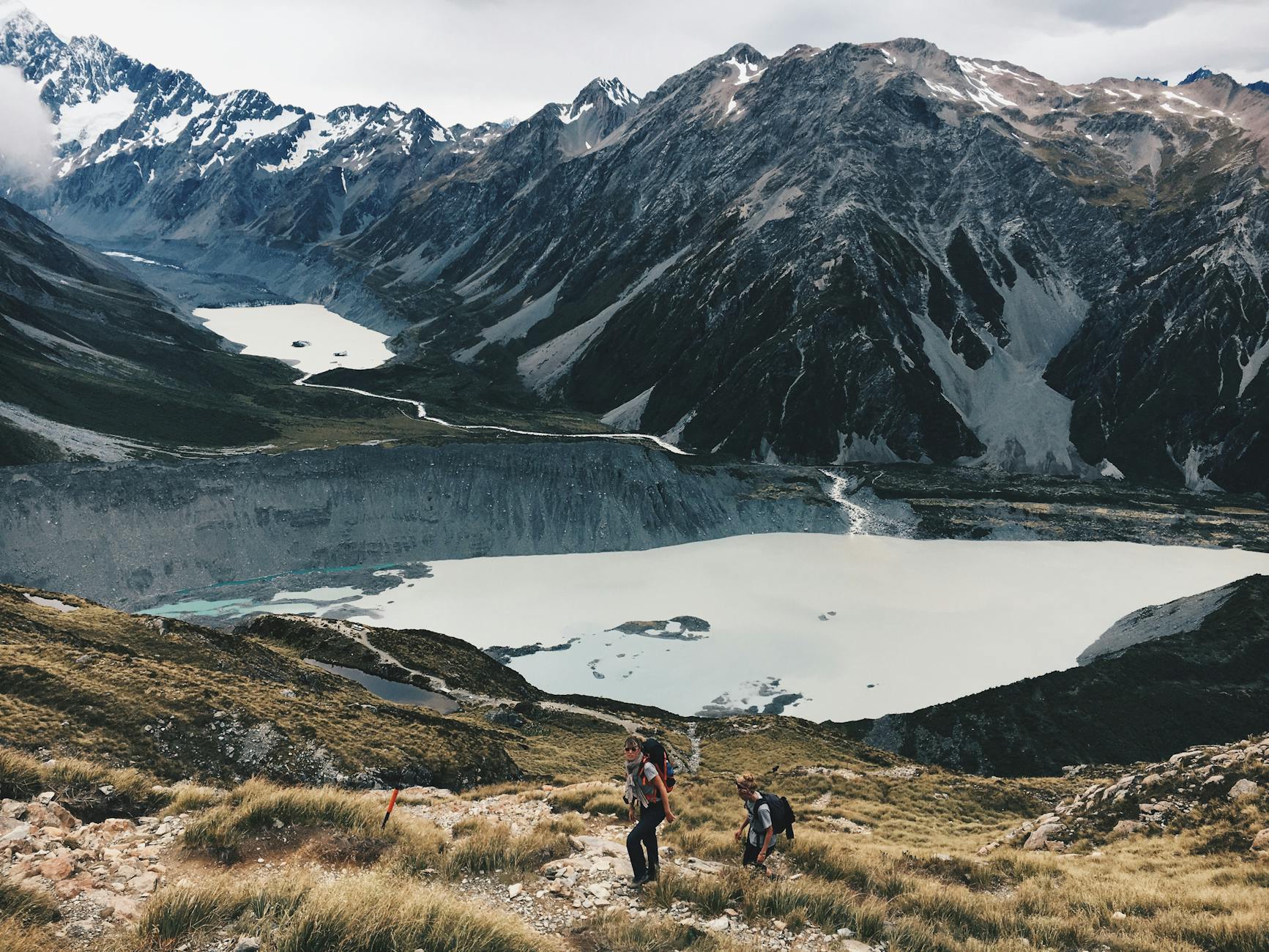
The system mirrors what’s already in place for Great Walks accommodation, but extends to day-only access. Peak times like summer weekends and school holidays will likely book out weeks ahead, forcing Wellington families to plan spontaneous hiking trips with military precision.
Critics argue this bureaucratisation of nature access goes against the Kiwi tradition of free roaming, while supporters point to overcrowding issues that have plagued popular tracks in recent years.
2. Booking fees range from $5 to $25 per person
The pricing structure varies significantly based on track popularity and season. Lesser-known walks start at $5 per adult, while premium tracks like sections of the Milford Track command $25 per person during peak periods. Children under 12 remain free, but teenagers will pay adult rates.
For a Wellington family of four planning a weekend getaway to Abel Tasman, the booking fees alone could add $75-100 to their trip cost before considering transport, accommodation, and food. This represents a significant barrier for lower-income families who’ve traditionally relied on free outdoor recreation.
According to Department of Conservation, the revenue will fund track upgrades and conservation projects, though specific allocation details remain vague.
3. Wellington region tracks get mixed treatment
Local Wellington tracks have largely escaped the booking requirement for now, with the Skyline Track, Northern Walkway, and Southern Walkway remaining free and accessible. However, DOC has flagged the popular Remutaka Rail Trail and sections of Te Araroa within the region for potential inclusion in phase two.
The Tararua Forest Park tracks also remain exempt, preserving access to Wellington’s weekend hiking playground. But this creates an interesting dynamic where locals might increasingly stick to regional options rather than venture to tourist-heavy national tracks.
This two-tiered system could inadvertently boost Wellington’s local hiking scene while discouraging exploration of other regions – exactly the opposite of what tourism operators want to see.
4. Technology glitches are already causing headaches
Early reports from the pilot program reveal significant issues with DOC’s booking platform. Users report crashes during peak booking times, double-charging problems, and a clunky interface that struggles with group bookings and date changes.
The system doesn’t integrate with popular hiking apps or calendar systems, forcing users to manually track multiple bookings across different trips. For Wellington’s tech-savvy hiking community, accustomed to seamless digital experiences, this feels like a step backwards.
DOC acknowledges the teething problems but insists they’ll be resolved before the full rollout. Given the department’s historically patchy record with digital initiatives, many hikers remain sceptical about smooth implementation.
5. Cancellation policies are surprisingly rigid
Unlike airline or accommodation bookings, DOC’s cancellation policy offers limited flexibility. Bookings can be cancelled up to 48 hours before the walk date for a 50% refund, but weather-related cancellations don’t qualify for automatic refunds unless DOC officially closes the track.
This poses particular challenges for Wellington hikers planning trips to alpine areas where weather can change rapidly. A family booking the Tongariro Alpine Crossing might lose their fees if clouds roll in, even though the track remains technically open but unsuitable for inexperienced walkers.
The policy seems designed more around revenue protection than customer service, reflecting DOC’s shift toward a commercial mindset that sits uncomfortably with many outdoor enthusiasts.
6. International visitors face additional complications
Overseas tourists must now navigate the booking system alongside visa applications and travel insurance, adding another layer of complexity to trip planning. The requirement for advance bookings conflicts with the flexibility many international visitors expect from New Zealand’s outdoor experiences.
Tourism operators worry this could disadvantage New Zealand compared to countries offering more spontaneous outdoor access. When visitors can hike freely in Patagonia or the Himalayas but need advance bookings for New Zealand day walks, it raises questions about our competitive positioning.
The system also struggles with international payment methods and time zones, creating barriers that could push visitors toward other activities or destinations entirely.
7. Legal challenges are brewing in the background
Several outdoor recreation groups are exploring legal challenges to the booking system, arguing it restricts public access to Crown land without proper consultation. The precedent of charging for access to natural areas that have been freely available for over a century raises constitutional questions about public rights.
Forest and Bird, alongside tramping clubs nationwide, have commissioned legal opinions questioning DOC’s authority to implement such sweeping access restrictions. These challenges could tie up the system in courts for years, creating uncertainty for both hikers and tourism operators.
The outcome of any legal action could fundamentally reshape how New Zealand manages public access to conservation land, making this more than just a hiking issue – it’s about the principle of public ownership and democratic access to natural spaces.
The booking system represents a watershed moment for New Zealand hiking culture, forcing us to choose between managed access and traditional freedom to roam. While DOC’s revenue needs are real, the long-term impact on how Kiwis relate to their natural heritage remains largely untested. Wellington hikers would be wise to book their favourite tracks soon – this might be the last generation to remember when walking in nature didn’t require a reservation.