Auckland Zoo’s New Native Species Programme: What Families Need to Know
Auckland Zoo has unveiled New Zealand’s most ambitious native species breeding programme, introducing dedicated habitats for threatened kiwi, tuatara, and native frogs. The initiative promises enhanced educational experiences for families while playing a crucial role in conservation efforts nationwide.
What exactly is Auckland Zoo’s new native species programme?
Programme at a glance
Auckland Zoo has launched a comprehensive breeding and conservation programme focusing exclusively on New Zealand’s most threatened native species. The centrepiece includes purpose-built nocturnal houses for North Island brown kiwi, temperature-controlled environments for tuatara, and specialised wetland habitats for native frogs including the critically endangered Archey’s frog. Unlike previous exhibits that mixed international and local species, this programme dedicates entire sections of the zoo to New Zealand wildlife.
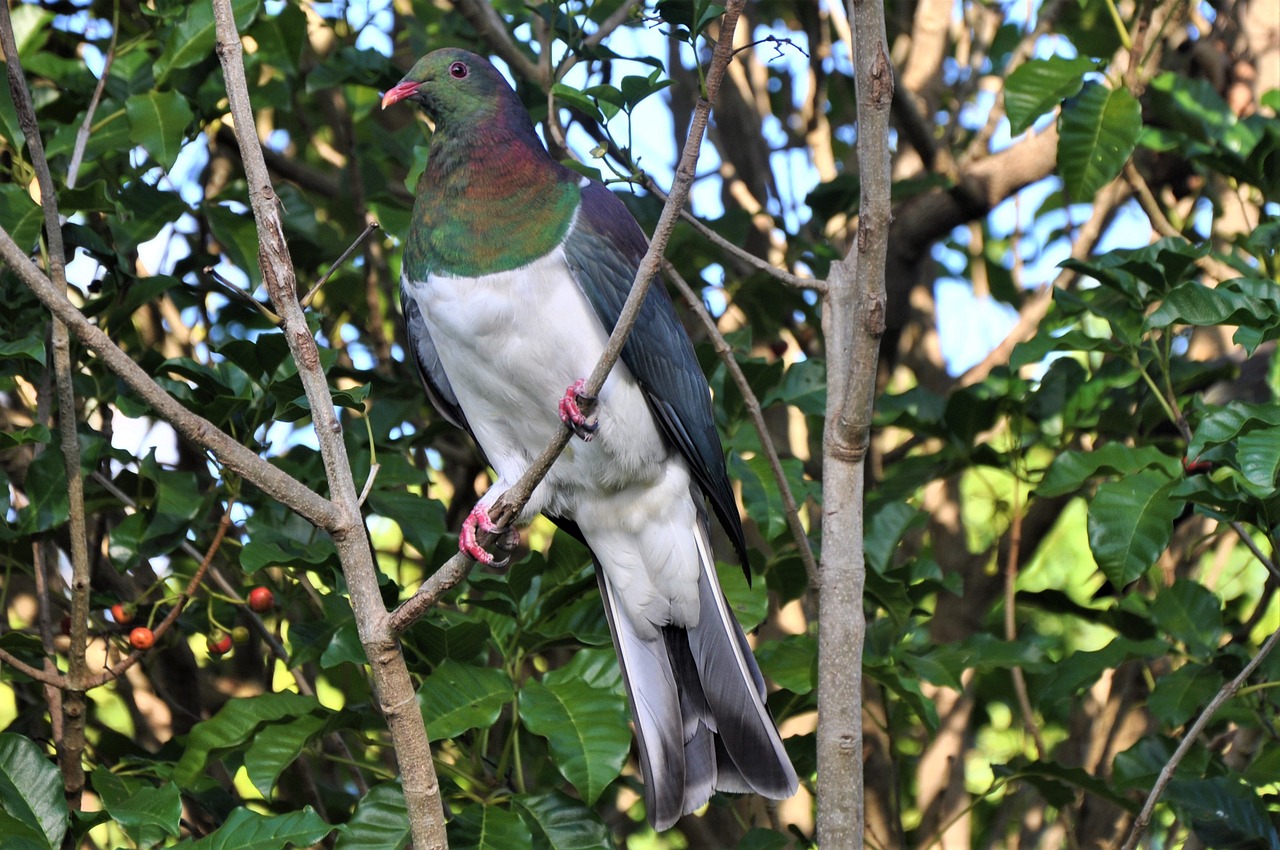
The programme represents a $12 million investment over three years, with facilities designed not just for display but for active breeding programmes that will release animals back into the wild. Each habitat recreates specific New Zealand ecosystems — from kauri forests to alpine wetlands — giving families an authentic taste of the country’s natural heritage without leaving Auckland.
Why is this happening now?
The timing reflects growing urgency around New Zealand’s biodiversity crisis. Recent Department of Conservation data shows native species declining at unprecedented rates, with habitat destruction and introduced predators pushing many species toward extinction. Auckland Zoo’s move aligns with the government’s Predator Free 2050 initiative and recognises that captive breeding programmes are increasingly necessary for species survival.
There’s also a generational shift happening. According to University of Otago research, the study found that children who engage with native species in controlled environments show significantly higher conservation awareness and environmental stewardship behaviours as adults. Auckland Zoo is capitalising on this connection, knowing that today’s visiting families will shape tomorrow’s conservation efforts.
What does this mean for family visits?
The native species programme transforms Auckland Zoo from a traditional zoo experience into something closer to an interactive nature documentary. Families can now observe kiwi feeding behaviours during specially timed nocturnal sessions, watch tuatara basking in recreated New Zealand sunshine, and participate in guided “ecosystem walks” that explain how these species fit into our natural environment.
The educational component is particularly strong. New interactive stations let kids handle replica kiwi eggs, learn about tuatara’s “third eye,” and understand why native frogs don’t ribbit like their overseas cousins. School holiday programmes now include “junior conservationist” workshops where children participate in mock habitat restoration and learn tracking techniques used by real DOC rangers.
How does this compare to other conservation efforts?
Auckland Zoo’s approach differs significantly from sanctuary islands like Zealandia or Tiritiri Matangi. While those locations focus on predator-free environments in the wild, the zoo programme emphasises controlled breeding for eventual wild release combined with public education. It’s a model that mirrors successful international programmes — think California condor recovery or Arabian oryx breeding — adapted for New Zealand conditions.
The programme also fills a crucial gap in Auckland’s family entertainment landscape. While Wellington has Zealandia and the South Island boasts multiple wildlife experiences, Auckland families previously had limited opportunities to connect with native species outside of brief encounters at regional parks. This programme changes that dynamic entirely.
What are the potential challenges ahead?
Success isn’t guaranteed, and similar programmes elsewhere have faced significant hurdles. Breeding threatened species in captivity requires precise environmental conditions, specialised veterinary care, and genetic management to prevent inbreeding. Auckland Zoo’s track record with international species is strong, but native species present unique challenges — particularly around diet, breeding cycles, and territorial behaviours.
There’s also the question of public engagement sustainability. Initial enthusiasm for conservation programmes often wanes as novelty fades. Auckland Zoo will need to continuously evolve its educational offerings and demonstrate measurable conservation outcomes to maintain family interest and justify the significant ongoing operational costs involved in maintaining these specialised habitats.
What should families expect when visiting?
Current visitors can access the kiwi nocturnal house and basic tuatara exhibits, with full programme rollout scheduled for completion by September 2026. The experience requires patience — native species are less performative than traditional zoo animals. Kiwi are naturally shy and most active during dawn and dusk sessions. Tuatara move slowly and spend long periods motionless, though their feeding demonstrations are genuinely fascinating for kids who stick around.
Booking ahead is essential, particularly for the popular nocturnal kiwi sessions which accommodate only 15 families at a time. Weekend slots fill up weeks in advance, though weekday visits offer more relaxed viewing opportunities and smaller crowds that make questions and interactions with keepers more likely.
What happens next for the programme?
The ultimate success measure will be species released back into wild populations, with first releases planned for late 2027. Auckland Zoo has partnered with DOC and several predator-free sanctuaries to establish release sites, creating a pipeline from captive breeding to wild population recovery. If successful, the model could expand to other regional centres facing similar native species challenges.
For families, this represents a unique opportunity to participate in genuine conservation efforts while entertaining the kids. Unlike passive zoo experiences, this programme lets Wellington families witness and contribute to New Zealand’s conservation future — making weekend trips to Auckland suddenly much more meaningful for environmentally conscious parents.