Wellington Festival Circuit Faces Major Shake-Up as Funding Models Shift
Wellington’s festival scene is undergoing its biggest transformation in a decade as organisers pivot to community-funded models after corporate sponsorship dried up. The shift promises more intimate, locally-focused events but raises questions about whether the capital can maintain its reputation as New Zealand’s cultural epicentre.
The writing has been on the wall since early 2025, when three major Wellington festivals announced scaled-back programmes citing sponsor withdrawals. Now, as autumn festival season kicks into gear, a new breed of grassroots events is emerging to fill the gap, fundamentally changing how the capital celebrates its creative spirit.
Wellington Festival Changes at a Glance
The Wellington Fringe Festival, traditionally one of the city’s anchor events, has just wrapped its leanest programme in fifteen years. Where once corporate logos adorned every poster and programme, this year’s edition relied heavily on crowdfunding and direct patron support. The result was a more curated selection of shows, but also significantly reduced marketing reach and venue availability.
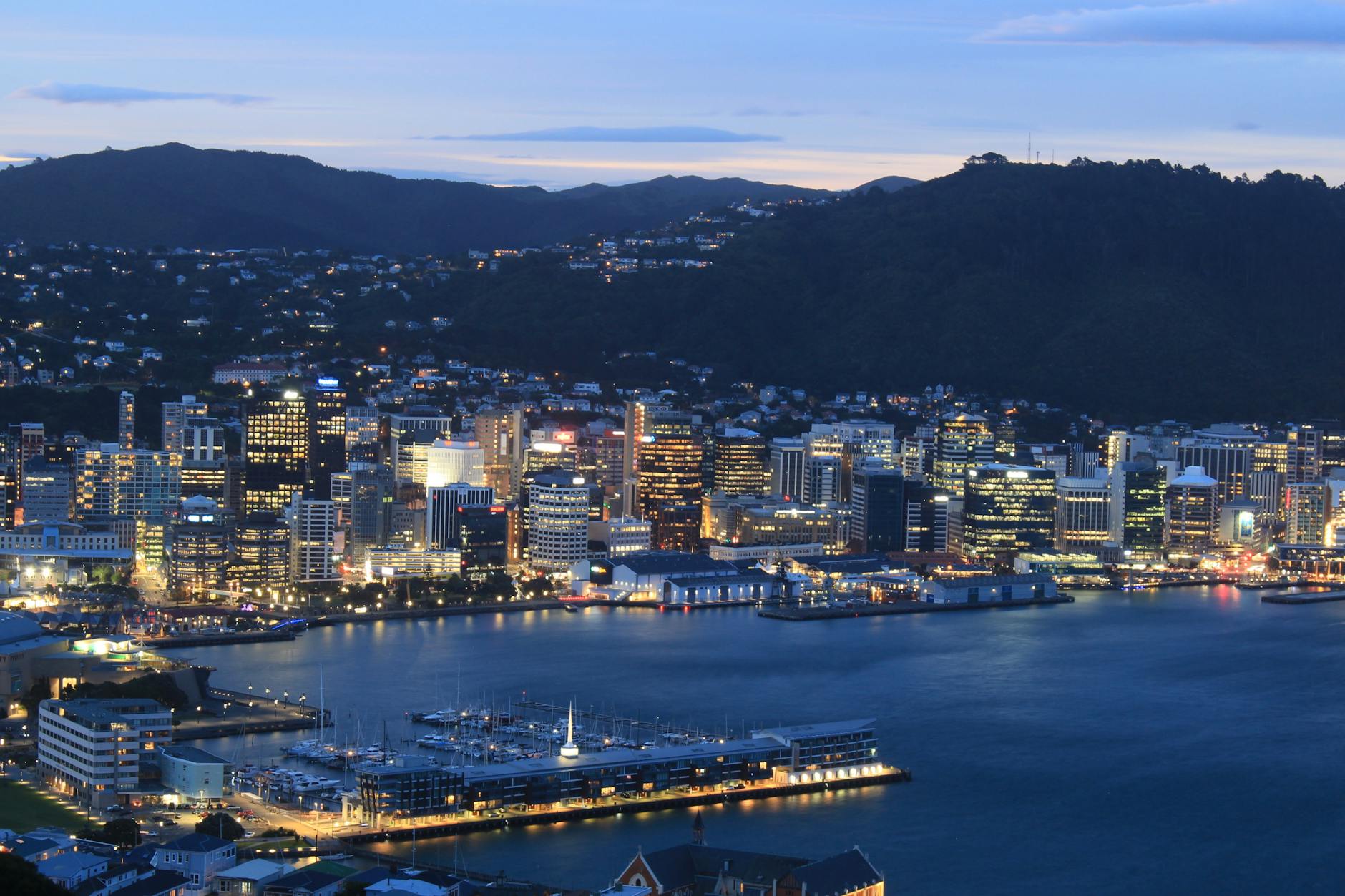
Festival director Sarah McKenzie admits the transition has been brutal. “We’ve had to completely reimagine what a festival can be when you’re working with a tenth of your previous budget,” she says. “But there’s something liberating about answering directly to your audience rather than boardroom executives who’ve never set foot in a theatre.”
This sentiment echoes across Wellington’s cultural landscape. According to Statistics New Zealand, the finding showed cultural sector employment in the Wellington region dropped 12 percent in the past year, with event production roles particularly affected. The data reveals a stark picture of an industry in transition, but also hints at emerging opportunities in smaller-scale, community-driven initiatives.
The Newtown Festival, historically a single-day street celebration, exemplifies this new approach. Organisers have expanded it into a month-long series of neighbourhood events, each funded through local business partnerships and resident contributions. The model has proven so successful that other suburbs are now exploring similar formats.
“We’re seeing hyper-local festivals pop up in places like Thorndon, Mount Cook, and even out in the Hutt Valley,” explains cultural economist Dr James Peterson from Victoria University. “These aren’t trying to compete with Edinburgh or Adelaide. They’re celebrating the specific character of their communities, and that’s proving to have real staying power.”
The shift isn’t without its casualties. The Wellington Writers Festival, once a drawcard for international literary figures, has downsized to focus almost entirely on New Zealand authors. While purists argue this diminishes the event’s global significance, attendance figures suggest local audiences are embracing the change. Ticket sales for intimate author sessions in independent bookshops have outperformed traditional lecture-theatre formats.
Food festivals have adapted particularly well to the new reality. The Wellington Night Market has split into multiple smaller events throughout the year, partnering directly with hospitality businesses rather than relying on major food company sponsorship. The Cuban Street Carnival has followed suit, becoming a quarterly celebration that highlights different cultural communities each season.
Music festivals face perhaps the biggest challenge in this new landscape. The cost of bringing international acts to Wellington was already prohibitive before the funding crunch, and local promoters are now betting heavily on New Zealand talent. The Wellington Jazz Festival has pivoted to become a showcase for Pacific Rim artists, while the electronic music scene has embraced warehouse-style events that prioritise atmosphere over big-name headliners.
Critics worry that Wellington’s cultural offering is becoming insular, potentially losing the cosmopolitan edge that distinguished it from Auckland and Christchurch. There’s a valid concern that without major drawcard events, the city could struggle to maintain its tourism appeal and attract creative professionals.
However, early indicators suggest the opposite might be true. Visitor numbers to smaller festivals are up, driven partly by Wellingtonians rediscovering their own city’s cultural offerings. The intimacy factor appears to be a genuine drawcard – people are willing to pay premium prices for unique, small-scale experiences they can’t get elsewhere.
The real test will come during winter, traditionally Wellington’s festival peak season. The upcoming Matariki Festival has already indicated it will focus on community storytelling rather than large-scale productions, while the Film Festival is experimenting with pop-up screenings in unconventional venues.
For festival-goers, the message is clear: expect smaller crowds, higher engagement, and events that feel more connected to Wellington’s actual cultural fabric. Whether this represents evolution or decline will likely determine the capital’s cultural trajectory for years to come. The early signs suggest Wellington’s festival scene isn’t disappearing – it’s just becoming more genuinely local, for better or worse.